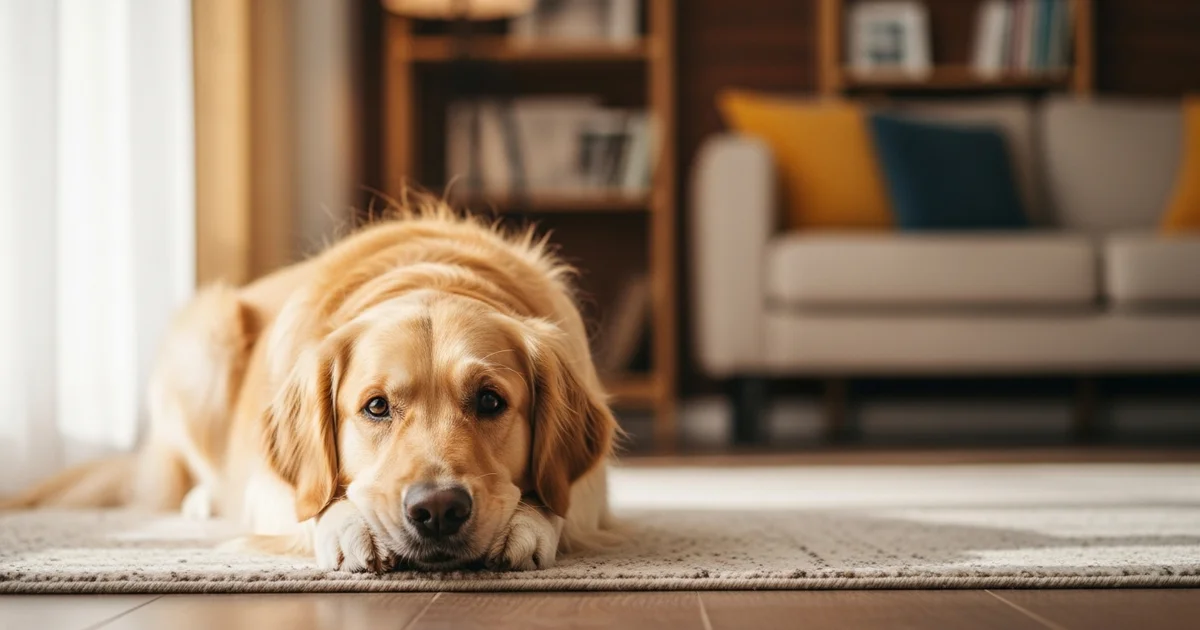
5 Basic Dog Training Steps: A Complete Spring Puppy Guide for New Owners
Struggling with a dog that won't listen? Learn 5 vet-backed dog training steps perfect for spring puppies. From socialization to potty training, this practical guide helps first-time owners build good habits fast.
Is Your Dog Not Listening? Spring Is the Perfect Time to Start Training
Does your new puppy ignore your commands, have accidents inside, or pull relentlessly on the leash? You're not alone — and more importantly, it's not too late.
According to the American Veterinary Society of Animal Behavior (AVSAB), the socialization window between 3 and 14 weeks of age is the single most critical period in a dog's behavioral development. Puppies who receive structured, positive training during this window show significantly lower rates of anxiety and aggression as adults.
Spring is one of the most popular seasons for welcoming a new dog into the family. If you've just brought home a puppy — or adopted a dog of any age — this guide will walk you through the 5 essential dog training basics you can start today.
Step 1: Prioritize Socialization (Weeks 8–16 Are Critical)
Before teaching commands, your puppy needs to feel safe in the world. Socialization means gradually exposing your dog to different people, sounds, environments, and animals in a positive, controlled way.
How to socialize your puppy:
- Take 15–30 minute walks in different environments daily (parks, busy streets, rainy days)
- Introduce at least 3 new people per week outside the immediate family
- Expose your puppy to everyday sounds (vacuum cleaner, doorbell, traffic) starting at low volume
- If vaccinations aren't complete, carry your puppy to observe the world safely without ground contact
⚠️ Common mistake: Keeping a fearful puppy home to "protect" them actually reinforces anxiety. Use gradual desensitization — maintain a safe distance and slowly decrease it as your puppy gains confidence.
Step 2: Teach Basic Commands Using Positive Reinforcement
Start with "Sit" — it's the easiest command for dogs to learn because it mirrors a natural posture, making early success more likely. Early wins build a dog's enthusiasm for learning.
How to teach Sit:
- Hold a small treat (about 1cm) near your puppy's nose
- Slowly move your hand back toward the top of their head — their bottom will naturally lower
- The moment their bottom touches the floor, say "Sit" and immediately reward
- Keep sessions under 5 minutes; repeat 3–5 times per day
Basic command training timeline:
| Command | Expected Timeframe | Priority |
|---|---|---|
| Sit | 3–7 days | High |
| Down | 1–2 weeks | High |
| Stay | 2–4 weeks | High |
| Come (recall) | 2–6 weeks | High |
| Loose leash walking | 1–3 months | Medium |
⚠️ Common mistake: Repeating a command multiple times ("Sit, sit, SIT!") teaches your dog that the word is optional. Say it once, wait, and reward when they comply.
Step 3: Potty Training — Don't Miss These Key Signs
Puppies aged 8–16 weeks lack full bladder control, so consistency and timing are everything. The highest-risk windows for accidents are: right after waking up, 15–30 minutes after eating, after play, and when excited.
Potty training checklist — signs your dog needs to go:
- Sniffing the floor intensively
- Circling in one spot
- Suddenly stopping play and wandering
- Squatting position beginning
- Whining or restless behavior
When you see these signs, calmly guide your dog to the designated toilet area immediately. When they go in the right place, praise enthusiastically and reward within 3 seconds.
⚠️ Never punish accidents after the fact. Dogs cannot connect a scolding to something that happened even 30 seconds ago. Punishment teaches them to hide elimination — not to stop it.
Step 4: Managing Biting and Leash Pulling in Spring
Spring brings extra stimulation: insects, birds, squirrels, and new smells everywhere. This can intensify leash pulling and mouthing behaviors — especially during the shedding season when mild skin discomfort may cause increased chewing.
For biting/mouthing:
- Yelp "ouch!" in a high-pitched tone when bitten, then immediately stop all play and turn away
- Always keep appropriate chew toys within reach to redirect biting instincts
- KONG-type rubber toys filled with treats are excellent for satisfying the urge to chew
For leash pulling:
- Stop walking the moment your dog pulls — moving forward rewards the behavior
- Resume walking only when the leash goes slack
- Use the direction-change method: when your dog pulls, turn and walk the opposite way; reward when they follow without pulling
Step 5: Build Consistency — The Real Reason Training Fails
The most common reason dog training breaks down isn't the dog — it's inconsistency among family members. If one person allows jumping on the couch and another doesn't, your dog learns that rules are optional.
Three rules for consistent training:
- Every family member uses the same commands and the same rules
- Reward treats should stay within 10% of your dog's daily caloric intake to prevent weight gain during the high-treat training period
- Track progress — small improvements are easy to overlook without records
This is where tools like PETTAS can make a real difference. The Family Sharing feature keeps everyone on the same page with shared training logs, health records, and reminders. The Health Timeline lets you track training milestones alongside physical health data. And with spring being the start of heartworm prevention season, the Vaccine & Medication Schedule manager can remind every family member when monthly preventatives are due — no missed doses, no confusion.
When to See a Veterinarian or Behaviorist
Some behaviors go beyond what basic training can address. Consult a vet or certified animal behaviorist if you notice:
- No improvement after 4–8 weeks of consistent training
- Sudden, unpredictable aggression (growling or snapping without warning)
- Severe separation anxiety with destructive behavior or self-injury
- Physical symptoms (vomiting, diarrhea, lethargy) alongside behavioral changes
- Excessive scratching or eye rubbing in spring — possible pollen allergy
3 Actions You Can Take Today
- Change your walk route to expose your dog to one new environment or sound for 10 minutes — this counts as socialization.
- Practice "Sit" before every meal — this creates a daily training ritual that's easy to maintain.
- Write down your house rules and share them with all family members today. Use PETTAS's Family Sharing to keep everyone aligned in real time.
Recommended Training Tools
- Dog Training Treats (Small Bites): Low-calorie, small-sized treats let you reward frequently without overfeeding.
- Puppy Crate or Playpen: Crate training gives puppies a safe space and dramatically speeds up potty training.
- KONG Chew Toy: Ideal for redirecting biting and keeping puppies mentally stimulated.
- Long Training Leash: Essential for recall training and outdoor practice in open spaces.
- Puppy Potty Training Pads: High-absorption pads make cleanup easier and help define the toilet area clearly.
Start managing your pet with PETTAS
Start 14-day free trialStart managing your pet's health with PETTAS
Medication tracking, health records, and family sharing — all in one app. Free for 14 days.
Start 14-day free trialShare this article