

5 Reasons Cats Get Cystitis in Humid Season (2026)

PETTAS Editorial Team
Up-to-date pet health guidance
Cat cystitis recurs up to 70% of the time -- rainy season stress and low hydration are key triggers. Learn 5 vet-backed prevention tips. Quick-check checklist inside.
Contents(8)
Last updated: 2026-06-09
Is your cat making repeated trips to the litter box with little to show for it? Feline idiopathic cystitis (FIC) -- the most common form of feline lower urinary tract disease (FLUTD) -- has a recurrence rate of 50-70%, and humid weather creates the perfect storm of triggers: stress, reduced activity, and lower water intake.
This guide explains exactly why cystitis flares up during rainy seasons, what warning signs to watch for, and five concrete steps to reduce recurrence.
Why Humid Weather Triggers Cat Cystitis
About 60-70% of feline cystitis cases are classified as idiopathic -- meaning no bacterial infection is found. The real culprit is often chronic stress combined with environmental factors. During prolonged rainy spells:
- Cats move less indoors, causing urine to pool in the bladder longer
- Atmospheric pressure drops trigger behavioral stress responses
- Litter boxes dry slowly in humid air, making cats reluctant to use them
- Water intake tends to be lower when temperatures are mild rather than hot
- Confined indoor time increases inter-cat tension in multi-cat households
Each factor alone can stress the bladder lining. Combined, they significantly raise the risk of a painful flare.
Warning Signs You Might Be Missing
Many owners assume that because their cat is visiting the litter box, everything must be fine. These early signs are easy to overlook:
Symptom Checklist:
- Visiting the litter box 5+ times daily with small output each time
- Vocalizing or crouching while urinating
- Pink, red, or cloudy urine
- Urinating outside the litter box (especially on cool surfaces)
- Excessive licking of the lower abdomen or genital area
- Lethargy or reduced appetite
- No urination for 12+ hours (emergency -- see a vet immediately)
Critical alert for male cats: Male cats have a narrower urethra and can develop a life-threatening urethral blockage. If your male cat strains without producing urine for more than 12 hours, treat it as an emergency and seek veterinary care the same day.
5 Evidence-Based Prevention Strategies
1. Increase Daily Water Intake
The target hydration guideline is approximately 50-60 ml of water per kg (2.2 lbs) of body weight per day (Merck Veterinary Manual). Dry kibble contains only about 10% moisture, while wet food provides 70-80%. Practical steps:
- Mix wet food into at least half of each meal
- Use a recirculating water fountain (research shows these can increase intake 1.5-2x)
- Place 2-3 water stations in different rooms
These hydration tools can make a real difference for water-averse cats:
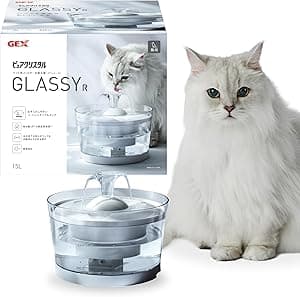 GEX PureCrystal Glassy R Cat 1.5L- Glass fountain; easy to keep hygienic in humid weatherAmazonで価格をチェック
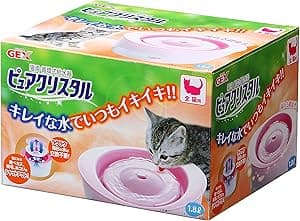 GEX PureCrystal All Cats- Quiet motor; suits cats that are startled by noiseAmazonで価格をチェック
 QIX HydroPowder Electrolyte Mix 3g x 30 sachets- Dissolve in water to boost palatability and electrolyte intakeAmazonで価格をチェック
2. Keep the Litter Box Immaculate
Cats are fastidious and will delay urination if the box smells or feels unpleasant. Holding urine raises bladder pressure and worsens inflammation. During humid months, aim for:
| Task | Frequency |
|---|---|
| Scoop clumps | At least twice daily |
| Full litter change | Every 2-4 weeks |
| Scrub the tray | Once or twice a month |
| Ventilation check | Daily (critical in humidity) |
The general rule is one litter box per cat plus one extra, placed in different locations.
3. Actively Reduce Stress
FIC is fundamentally a stress-mediated disease. The AAHA/AAFP Feline Life Stage Guidelines recommend at least 15-20 minutes of interactive play per day. Use wand toys or puzzle feeders to simulate hunting behavior and burn off anxious energy.
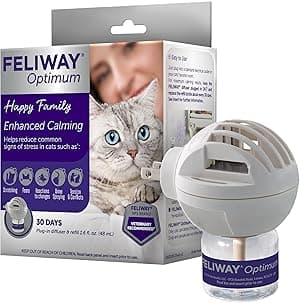
Synthetic feline pheromone diffusers have shown clinical benefit in reducing anxiety-linked urinary signs:
4. Support with Targeted Nutrition
Urinary-support diets are formulated to manage urine pH and mineral balance (particularly struvite and calcium oxalate crystals). If your cat has a history of cystitis, ask your veterinarian whether a prescription or functional urinary diet is appropriate. Never change therapeutic diets without veterinary guidance.
For general gut and immune support, which indirectly helps stress resilience:
5. Track Patterns to Catch Recurrence Early
FIC tends to recur in predictable cycles tied to season, household changes, or diet shifts. Keeping a simple log of urination frequency, food intake, and behavior changes helps you and your vet identify triggers before a full flare develops.
When to Call Your Vet Right Away
Do not wait for a scheduled appointment if:
- Your cat has produced no urine in 12-24 hours
- Blood in urine lasts more than 2 days
- Vomiting or complete loss of appetite accompanies urinary signs
- Your cat has had 3 or more episodes in the past 6 months
- Body weight has dropped more than 10% in a month
Urethral obstruction in male cats is fatal within 24-48 hours without treatment. When in doubt, call your vet.
3 Actions You Can Take Today
- Do a litter box audit tonight -- scoop, check odor, and confirm placement away from food bowls
- Add a second water source in a room your cat frequents but rarely drinks in
- Schedule 15 minutes of wand-toy play before your own bedtime -- consistent timing helps regulate your cat's stress hormones
FAQ
Q1. How long does cat cystitis last?
A. Mild idiopathic cases often resolve within 5-7 days with supportive care. Bacterial cystitis typically requires 7-14 days of antibiotics. Stopping medication early increases relapse risk, so always complete the full course as directed by your vet.
Q2. How much does treating cat cystitis cost?
A. An initial consultation with urinalysis and ultrasound typically runs $80-$200 USD. With medication and follow-up, one episode can cost $150-$400. Recurrent cases can exceed $1,000 per year, making prevention a sound investment.
Q3. Can female cats get cystitis too?
A. Yes. Female cats have a shorter urethra, making them more susceptible to ascending bacterial infections. Male cats are more prone to urethral blockages due to their narrower anatomy. Both sexes benefit from the same prevention strategies.
Q4. Does dry food cause cystitis?
A. Dry food alone does not cause cystitis, but it contributes to lower urine production and more concentrated urine, which can irritate the bladder lining. Adding wet food or increasing water intake is one of the most impactful dietary changes you can make.
Q5. Should I change litter brands during a cystitis episode?
A. Avoid sudden changes during a flare -- the stress of an unfamiliar substrate can worsen symptoms. Increase scooping frequency instead. If you want to switch brands, do so gradually over 2 weeks by blending old and new litter.
Track Cystitis Triggers with PETTAS
One of the most effective ways to prevent recurrence is identifying your cat's personal triggers -- whether it is a change in routine, a new household member, or a drop in barometric pressure. But that requires consistent records, not just memory.
PETTAS is a pet health management app built to help you log urination patterns, food intake, body weight, and medication on a single timeline. When your cat's cystitis recurs, you can pull up the week before and look for patterns -- and share that data directly with your vet at the next visit.
Start tracking today: PETTAS Official Site
References
- Merck Veterinary Manual -- Feline Idiopathic Cystitis -- Standard clinical reference for FIC pathophysiology, diagnosis, and management
- AAHA/AAFP Feline Life Stage Guidelines (2021) -- Evidence-based recommendations for feline enrichment and urinary health
- Cornell University College of Veterinary Medicine -- Feline Lower Urinary Tract Disease -- Accessible overview of FLUTD causes, signs, and prevention
- Buffington CA et al. -- Pandora Syndrome in Cats (JVIM, 2011) -- Landmark paper establishing the stress-disease model underlying FIC
- Japan Veterinary Medical Association -- Companion Animal Health Guidelines -- Domestic reference for feline urinary disease epidemiology in Japan
Recommended products5 picks
#ad Contains Amazon affiliate links

Pet diary
Track the small changes in your cat's routine
Daily one-tap logs of appetite, weight, and bathroom habits. Spot stress signs earlier and explain them clearly to your vet.
All features free for 14 days — no card required
Get the latest articles by email
Weekly updates on pet health, medications, and insurance — straight to your inbox.
Share this article
Related Articles
3 Causes of Cat Litter Box Avoidance: 5-Step Fix (2026)
2026-06-08
5 Steps: Fix Indoor Cat Boredom in Rainy Season (2026)
2026-06-07
5 Vet-Approved Tips: Multi-Cat Intro During Rainy Season (2026)
2026-06-06
5 Vet-Approved Ways to Prevent Cat Urinary Stones (2026)
2026-05-30
7 Cat Stress Signs Owners Miss: Vet-Approved Fixes (2026)
2026-05-29