

Best 5 Training Treats for Dogs in 2026: From Walk Debut to Socialization

PETTAS Editorial Team
Up-to-date pet health guidance
Not sure which training treat to choose for your dog's spring walks and socialization? We compare 5 types—from small biscuits to no-additive jerky—so you can pick the right reward for every situation.
Contents(6)
Struggling to Choose the Right Training Treat for Your Dog?
Spring is here, and with rabies vaccinations done and flea/tick season officially underway, many dog owners are gearing up for serious outdoor training time. But here's a question that trips up a surprising number of people: Which treat should I actually use for training?
The pet store aisle is packed with options — biscuits, jerky, soft chews, paste tubes, pill pockets — and it's easy to default to whatever you bought last time. But the treat you choose has a direct impact on how well your training sessions go. Calorie count, scent intensity, texture, and portability all matter.
In this article, we compare 5 types of dog training treats, from the classic small biscuit to the no-additive beef jerky to the specialized pill pocket. Whether you're training a puppy for their first walk or working on reactivity with an adult dog, there's a type for every situation.
How to Choose a Training Treat: 5 Key Points
1. Bite Size and Calorie Per Piece
During a 10-minute training session, your dog might receive 20–30 treats. If each piece is too large, calories add up fast. Aim for 1–2g per piece as a baseline. If you only have larger treats available, break them into smaller pieces before you head out.
2. Scent Strength (Motivation Level)
Outdoor environments are full of distractions. A high-value, strong-smelling treat — like beef jerky or liver — keeps your dog's attention on you even when there are other dogs, cyclists, or kids nearby. Save milder treats (like plain biscuits) for calm indoor sessions.
3. Ingredients and Additives
Because training treats are given frequently, ingredient quality matters more than with occasional snacks. Look for grain-free, additive-free, or single-ingredient options if your dog has sensitivities. Always check for artificial colorings and preservatives.
4. Texture and Hardness (Age-Appropriate)
Soft treats are better for puppies whose teeth are still developing and for senior dogs with dental issues. They're also faster to consume, which keeps training momentum going. Hard jerky can be great for adult dogs but may be risky for very young or older dogs.
5. Portability and Storage
For walk-time training, you need treats that don't crumble, stick together, or make a mess in your pocket. Dry, small biscuits win on portability. Soft or paste-type treats need a dedicated sealed pouch to prevent messes.
Quick Selection Guide
| Situation | Best Type |
|---|---|
| Indoor basic commands | Small biscuit / soft treat |
| Outdoor / park / socialization | High-scent jerky or liver |
| Puppy or senior dog | Soft treat / small biscuit |
| Allergy-prone dog | Grain-free, no-additive |
| Medication time | Pill pocket |
Best 5 Training Treats for Dogs
1. Small Biscuit Type — The Beginner's Go-To
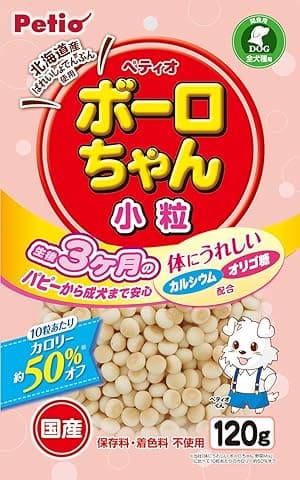
The classic small biscuit (or "boro" style treat in Japan) is the most forgiving option for training beginners. The pieces are tiny, calories per piece are low, and dogs of all ages tend to accept them easily. The mild scent is perfect for indoor training where there aren't many distractions.
If you're starting your dog's spring walk training with basic commands like "sit," "stay," and "come," begin here. You can level up to higher-value treats once you move outdoors.
Best for: Puppies, calorie-conscious adult dogs, indoor command training
Approximate price: ¥400–600
2. No-Additive Beef Jerky Type — The Outdoor Training Powerhouse
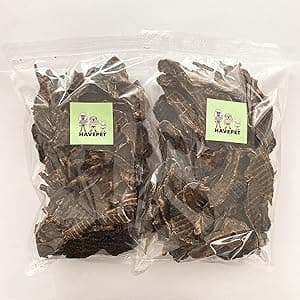
When you step outside and your dog suddenly forgets their name because there's a pigeon 50 meters away, beef jerky is your best friend. The strong meat scent cuts through outdoor distractions and gives you a reliable way to regain your dog's attention.
Grain-free, no-additive options are available and suitable for dogs with sensitivities. The key is to break the jerky into very small pieces before heading out — a whole strip is too much per reward.
Pro tip: Don't put the bag directly in your jacket pocket — the smell will transfer to your clothes. Use a small zip-lock bag or dedicated treat pouch instead.
Best for: Reactive dogs, outdoor socialization, high-distraction environments
Approximate price: ¥700–1,000
3. Flea & Tick Prevention Collar — A Spring Bundle Tip (Bonus)
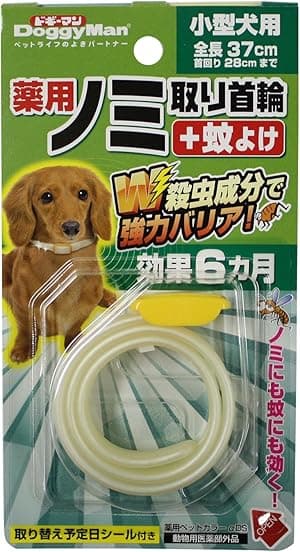
This isn't a food treat, but hear us out. April is when flea and tick season kicks off in Japan, and many owners are starting outdoor training at the same time. Pairing your training sessions with a flea/tick prevention collar means your dog is protected while they're learning to love the outdoors — no extra steps required.
Prevention collars are especially useful for dogs who dislike spot-on treatments, and they're easy to combine with any training routine.
Approximate price: ¥800–1,200
4. Soft Paste / Tube Type — For Overcoming Scary Experiences
Tube-style paste treats are the go-to tool for desensitization training — helping dogs tolerate nail trims, ear cleaning, grooming, or vet visits. The concept is simple: while your dog is licking the tube, they can't focus on being afraid of what's happening to them.
With spring rabies vaccinations happening right now, this is the perfect time to introduce a paste treat. Let your dog lick it in the waiting room, and many owners report a significantly calmer experience on the exam table.
Caution: It's easy to give too much without realizing. Set a limit per session before you start. Also, make sure any peanut butter alternatives you use are xylitol-free — xylitol is toxic to dogs.
Best for: Vet-fearful dogs, nail trimming sessions, desensitization training
No registered product link for this type — look for "dog lickable treats" or "pet paste treats" at your local pet store.
Approximate price: ¥500–800
5. Pill Pocket Type — For Dogs Who Refuse Medication
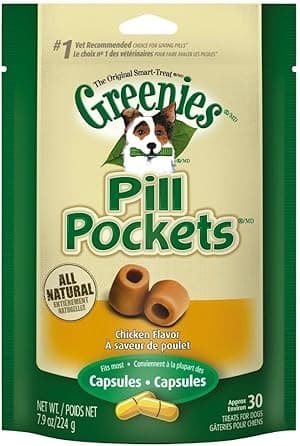
Spring is also the start of heartworm prevention and flea/tick oral medication season. If your dog has ever spat out a pill three times in a row while you watched in exhaustion, pill pockets are life-changing.
These soft treats have a hollow center where you press in a tablet or capsule. To your dog, it looks and tastes just like a regular treat. The trick to preventing "smart dogs" from eating the pocket and leaving the pill: give two or three regular treats first, then slip in the pill pocket so it blends in with the sequence.
Best for: Dogs who refuse medication, monthly heartworm/flea prevention pill management
Approximate price: ¥1,500–2,000
Comparison Table: All 5 Types at a Glance
| Type | Price Range | Calories | Scent | Best Situation | Best For |
|---|---|---|---|---|---|
| Small Biscuit | ¥400–600 | Low | Mild | Indoor commands | Puppies, all ages |
| No-Additive Jerky | ¥700–1,000 | Medium-High | Strong | Outdoor, socialization | Reactive/distracted dogs |
| Flea/Tick Collar | ¥800–1,200 | — | — | Spring outdoor debut | All dogs |
| Soft Paste / Tube | ¥500–800 | Medium | Moderate | Vet, grooming, fear | Anxious dogs |
| Pill Pocket | ¥1,500–2,000 | Low-Medium | Mild | Medication time | Dogs who refuse pills |
Final Recommendation: "When in Doubt, Start Here"
- New to training / indoors: Start with small biscuits — low risk, high reward
- Outdoor park training: Upgrade to no-additive beef jerky as your high-value reward
- Spring walk debut: Pair treats with a flea/tick collar for complete protection
- Vet visits / grooming: Keep a tube-style paste treat in your bag
- Monthly medication: Pill pockets will save you from a weekly battle
If you can only pick one right now: Go with the small biscuit type. It works for almost every dog and every situation, and it's the easiest starting point. Once you've built a training routine, add beef jerky as your outdoor "special reward."
Don't Stop at Buying — Track and Manage Too
Once you start using training treats alongside flea/tick prevention and monthly medications, keeping track of everything can get complicated. When did you give the last pill? How many treats has your dog had today? Is their weight staying on track?
The PETTAS pet health app helps you manage medication reminders, weight logs, and vet visit records all in one place — so you can focus on training instead of trying to remember dates.
Buying the right treats is just the first step. Keeping up with your dog's health consistently is what makes the real difference.
Recommended products4 picks
#ad Contains Amazon affiliate links
Family sharing
Share every care note with the whole family
Walks, training notes, vaccinations, and meds in one place. No more 'did you give the meds?' messages in the family chat.
All features free for 14 days — no card required
Get the latest articles by email
Weekly updates on pet health, medications, and insurance — straight to your inbox.
Share this article
Related Articles
5 Rainy Season Skin Problems in Dogs: Vet-Approved Fixes (2026)
2026-06-13
5 Best Indoor Dog Toys for Rainy Days: Puzzle & Nose Work (2026)
2026-06-10
60C Pavement: 4 Dog Walk Mistakes Causing Heatstroke (2026)
2026-05-17
Dog Harness Types Explained: Mesh vs Power vs Vest -- Complete Buying Guide 2026
2026-05-07

Best 5 Dog Water Bottles for Walks & Travel 2026|Beat the Heat This GW Season
2026-05-05