
Vet-Approved Guide: How Much Pet Treats Is Too Much? Safe Choices for Dogs & Cats (2026)

PETTAS Editorial Team
Up-to-date pet health guidance
Learn the 10% calorie rule for pet treats, how to read ingredient labels, and 5 common owner mistakes to avoid. Science-based guide for dogs and cats — check now and protect your pet's health.
Contents(8)
Are you accidentally overfeeding your dog or cat on treats without even realizing it?
It's one of the most common — and well-meaning — mistakes pet owners make. According to veterinary nutrition studies, treats can contribute to 20–30% of a pet's daily calorie intake when given without portion control, which is a major driver of the growing pet obesity epidemic. In Japan alone, an estimated 30–40% of pets are considered overweight.
In this guide, you'll learn the vet-recommended amount of treats to give your pet, how to read ingredient labels safely, and the 5 mistakes most owners don't know they're making.
The 10% Rule: How Many Treats Can Your Pet Have Each Day?
The universal guideline recommended by veterinary nutritionists is simple: treats should make up no more than 10% of your pet's daily calorie intake.
Here's a quick reference table:
| Body Weight | Est. Daily Calories | Max Treat Calories (10%) |
|---|---|---|
| 2kg (toy dog/kitten) | ~110–130 kcal | ~11–13 kcal |
| 4kg (small dog/adult cat) | ~190–220 kcal | ~19–22 kcal |
| 8kg (medium dog) | ~320–370 kcal | ~32–37 kcal |
| 15kg (large dog) | ~500–600 kcal | ~50–60 kcal |
Note: Spayed/neutered pets have lower metabolic rates. Reduce these figures by 10–20% accordingly.
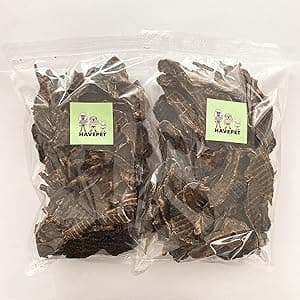
To put that in perspective: a single standard jerky strip for dogs can contain 20–30 kcal — which already exceeds the daily treat limit for a 4kg dog. It sounds surprisingly restrictive until you see the numbers.
How to Choose Safe Treats: 5 Label-Reading Tips
When picking up a treat at the pet store, here's what to look for:
Safety Checklist for Treat Selection
- First ingredient is a named protein (e.g., "chicken", "salmon") — not a by-product meal or grain
- No artificial preservatives (BHA, BHT, ethoxyquin) or artificial colors
- No xylitol, grapes, raisins, onion, or garlic — all toxic to dogs and/or cats
- Calorie count is clearly listed per piece or per 100g so you can calculate portions
- Size is appropriate for your pet's mouth — oversized pieces create choking hazards
Xylitol deserves special attention. It's found in many human foods — chewing gum, some peanut butters, low-sugar snacks — and even tiny amounts can cause acute liver failure in dogs. Never assume a "natural" product is safe without checking the label.
For training rewards, small, low-calorie treats work best because you can give many repetitions without blowing through the daily calorie budget.
5 Treat Mistakes Pet Owners Commonly Make
Mistake #1: Treating calories as "separate" from meals
Many owners mentally separate treats from their pet's main food, not realizing the total daily calorie target includes everything consumed. If you give treats, slightly reduce the main meal portion that day.
Mistake #2: Giving in to begging every time
Pets learn fast. If begging reliably produces a treat, they'll beg constantly — and the treats add up. Decide in advance when treats are appropriate (training sessions, post-grooming, medication time) and stick to it.
Mistake #3: Multiple family members each giving treats
Everyone gives "just a little" — but the total by end of day can be alarming. This is especially common in households with children. Keeping a shared log of who gave what helps prevent accidental overfeeding.
Mistake #4: Using human food as treats
Plain cooked chicken or unsalted cheese seem harmless, but human foods often contain salt, seasonings, or fat levels that aren't appropriate for daily pet consumption. Stick to pet-formulated products for regular treat use.
Mistake #5: Not adjusting treat amounts seasonally
As we head into the warmer months of May and June, dogs and cats often exercise less and burn fewer calories — especially if they're sensitive to heat. This is a natural time to review and slightly reduce treat portions to compensate for lower activity.
Special Considerations for Cats
Cats have unique nutritional needs that differ from dogs:
- Taurine deficiency is a real risk if treats replace a significant portion of a nutritionally complete diet — taurine deficiency can cause heart disease in cats
- High magnesium treats given daily may increase the risk of urinary crystals in cats prone to FLUTD
- Wet treats or high-moisture snacks can help supplement water intake, which is especially valuable for cats who don't drink enough — a concern that intensifies as temperatures rise
- Dental treats can play a supporting role in oral health but are not a substitute for brushing
When to Consult a Veterinarian
Consider scheduling a vet visit if:
- Your pet's weight has changed by more than 5% over 1–2 months
- Vomiting, diarrhea, or itching consistently follows treat consumption
- Your pet is refusing regular meals but still eating treats (possible food aversion forming)
- Your pet hasn't had a health checkup in over 12 months
Keeping a record of which treats were given when can be incredibly helpful for diagnosing suspected food sensitivities or allergies.
3 Actions You Can Take Starting Today
-
Calculate your pet's treat calorie limit today. Check the calorie count on your current treat packaging, then use the table above to figure out how many pieces fit within the 10% guideline. The result might surprise you.
-
Set a household rule for treat-giving. Whether it's "only one family member handles treats" or "we log it in the app," a simple rule prevents the accidental double-feeding that's so easy to fall into.
-
Tie treats to a specific purpose. Use them during training, after nail trimming, or when giving medication. Purposeful treats benefit your pet's behavior and your peace of mind.
FAQ
Q1. When can I start giving treats to a puppy or kitten?
A. After weaning is complete — typically around 8 weeks for puppies and 6–8 weeks for kittens. Until 6 months of age, choose treats specifically formulated for young animals, and give no more than half the adult portion to account for their developing digestive systems.
Q2. How many treats per day is safe for a 4kg dog?
A. Based on the 10% rule, a 4kg dog's treat budget is roughly 19–22 kcal per day. A small training treat of approximately 1–2 kcal per piece means 10–20 pieces is the upper limit — though fewer is always fine.
Q3. Can I give my cat treats every day?
A. Yes, as long as the daily calorie limit is respected. To minimize the risk of sensitivities developing, rotate between 2–3 different treat types during the week rather than giving the same one daily.
Q4. What ingredients are absolutely off-limits for dogs?
A. The highest-risk ingredients are xylitol (causes acute liver failure), grapes and raisins (kidney failure), chocolate/cocoa (theobromine poisoning), and onion/garlic/chives (hemolytic anemia). Always verify the ingredient list before offering any new treat.
Q5. My dog had loose stools after a new treat — what should I do?
A. Stop offering that treat immediately. If soft stools resolve within 24–48 hours, a sensitivity to an ingredient is likely. If diarrhea persists beyond 48 hours, is accompanied by vomiting, or if you see blood, contact your vet promptly.
Building a System for Treat Management
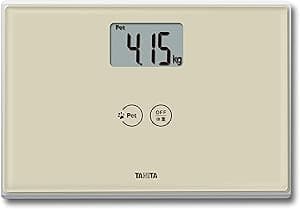
Tracking "who gave what, when" alongside your pet's weight trend is one of the simplest ways to keep treat portions under control — but doing it all in your head is genuinely hard, especially in a multi-person household.
PETTAS was built to make exactly this kind of daily health management effortless:
- Weight tracking graph — see in real time whether your treat routine is affecting your pet's weight
- Health record timeline — log treats, meals, and symptoms in one place
- Family sharing — everyone in the household sees the same record, preventing double-feeding
- AI health analysis — get gentle nudges when weight trends suggest it's time to reassess portions
Start with one week of logging and you'll have a clear picture of what's actually going into your pet.
Recommended products3 picks
#ad Contains Amazon affiliate links

Ready to start managing your pet's health with PETTAS?
Medication tracking, health logs, and family sharing in one app. 14-day free trial — all features included.
All features free for 14 days — no card required
Get the latest articles by email
Weekly updates on pet health, medications, and insurance — straight to your inbox.
Share this article