

Dog Harness Types Explained: Mesh vs Power vs Vest -- Complete Buying Guide 2026

PETTAS Editorial Team
Up-to-date pet health guidance
Compare 5 types of dog harnesses: mesh, power, vest, Y-type, and H-type. Learn how to measure, pick the right style for your dog, and avoid common mistakes.
Contents(7)
Harness vs Collar: Which One Should You Choose?
When walking your dog, you have two main options: a collar or a harness. While both have their place, a harness is the safer choice if you want to reduce strain on your dog's trachea.
A harness is especially recommended for:
- Small breeds (Chihuahuas, Toy Poodles, and other dogs with delicate tracheas)
- Dogs that pull on the leash (prevents concentrated pressure on the neck)
- Post-surgery or dogs with lipomas (allows you to avoid pressure on affected areas)
- Senior dogs (doubles as walking support)
Collars are still great for ID tags, but for walking safety, a harness distributes force across the whole body. In fact, using both together is ideal — walk with a harness, and keep a collar with ID tags and registration as a backup in case the harness slips off.
5 Types of Dog Harnesses and Their Strengths
Harnesses come in five main types, each suited to different situations. Choose based on your dog's size, personality, and how you plan to use it.
Vest Type (Back Buckle)
Wraps around the body like a vest with a buckle on the back. The easiest to put on, making it popular for small dogs and puppies on their first walks. The wide fabric distributes pressure evenly, keeping it secure and comfortable.
Many vest harnesses use mesh fabric, so the line between vest and mesh types is actually blurry. This is the top pick for a first harness.
Mesh Type
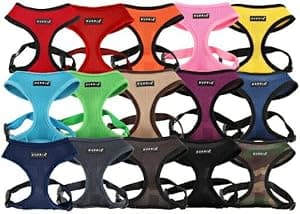
A vest-type harness optimized for breathability. Lightweight mesh fabric prevents overheating, making it ideal for summer walks and double-coated breeds.
Quick-drying after washing for easy maintenance. The soft material is also gentle on dogs with sensitive skin or lumps like lipomas.
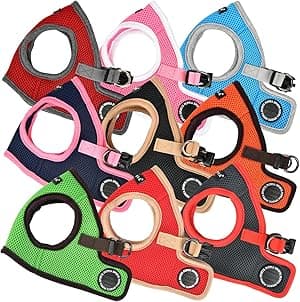 PUPPIA Soft Vest Harness IIThe go-to mesh harness. Soft fabric with easy on/off designAmazonで価格をチェック
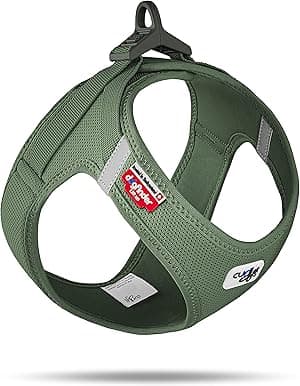 curli Vest Air Mesh Harness Clasp XSSwiss-designed ultra-light air mesh with one-touch claspAmazonで価格をチェック
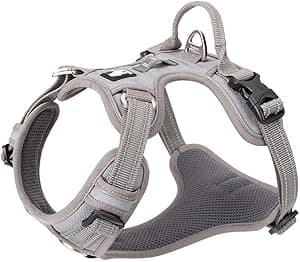 Truelove Soft Nylon Harness TLH56512Reflective step-in design at great valueAmazonで価格をチェック
Y-Type and H-Type (Sport)
Straps form a Y or H shape between the front legs. The key benefit is unrestricted shoulder blade movement, and the design avoids pressing on the trachea.
With fewer contact points than vest types, these allow greater freedom of movement — ideal for active breeds and dog sports. They do take a bit more practice to fit properly.
Power Harness (Julius-K9 Style)
A heavy-duty harness with a handle grip on top. Offers the most control for strong or large dogs. The customizable patches are a fan favorite.
Breathability is lower than other types, so consider alternating with a mesh harness in summer.
 Julius-K9 IDC Power Harness S/Mini RedThe world's most popular power harnessAmazonで価格をチェック
 Julius-K9 IDC Power Harness Baby2 RedDesigned for extra-small dogs and puppiesAmazonで価格をチェック
Comparison Table
| Type | Breathability | Control | Ease of Use | Price Range | Best For |
|---|---|---|---|---|---|
| Vest | Good | Good | Excellent | -25 | Small dogs, first walks |
| Mesh | Excellent | Good | Excellent | -40 | Summer, sensitive skin |
| Y/H-Type | Good | Good | Moderate | -40 | Active breeds, dog sports |
| Power | Fair | Excellent | Good | -55 | Strong dogs, training |
How to Measure Your Dog for a Harness
The most common harness mistake is getting the wrong size. Too loose and they slip out; too tight and it causes chafing.
Chest Girth (Most Important)
Measure around the widest part of the ribcage, just behind the front legs. Add two finger widths (about 2cm / 1 inch) of slack. Most manufacturers use chest girth as their primary sizing metric.
Neck Circumference
Place the tape measure at the base of the neck (near the chest bone) and wrap it around. Add one finger width of slack.
When in Doubt
If you are between two sizes, go with the larger one and adjust the straps. For long-haired breeds, gently press the fur down while measuring for accuracy.
Matching the Right Type to Your Dog's Needs
For Dogs That Pull
Choose a harness with a front-chest D-ring. When the dog pulls, their body naturally turns sideways, discouraging the pulling behavior.
Standard harnesses have the D-ring on the back, which means pulling force translates directly into forward momentum. A front-chest D-ring physically makes it harder to pull — that is the key difference.
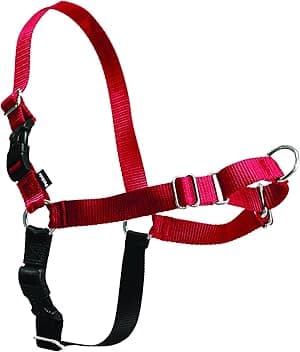 PetSafe Easy Walk Harness SThe classic front-clip harness for pull trainingAmazonで価格をチェック
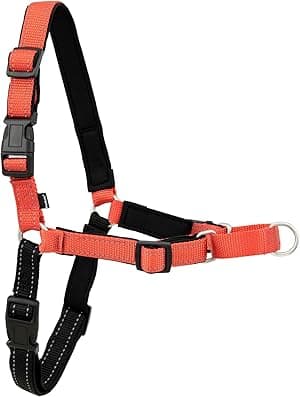 PetSafe Deluxe Easy Walk Harness SNeoprene-padded upgrade for extra comfortAmazonで価格をチェック
For Dogs with Lipomas, Post-Surgery, or Sensitive Skin
Avoid pressure on the affected area. A mesh vest-type harness spreads the load across a wider surface, and the soft fabric minimizes friction.
Collars can often rub against problem areas, so switching to a harness is worth considering. Always check for redness or hair loss after each walk.
- PUPPIA Soft Vest Harness IISoft mesh reduces friction on sensitive areasAmazonで価格をチェック
- curli Vest Air Mesh Harness Clasp XSUltra-light with minimal pressure. One-touch on/offAmazonで価格をチェック
For Escape Artists
If your dog backs out of their harness, try a two-point harness that secures at both the chest and belly. Often, re-measuring the chest circumference also solves the problem.
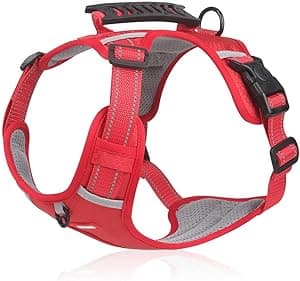 Luvian Double-Lock Anti-Escape HarnessChest + belly two-point security with reflective tapeAmazonで価格をチェック
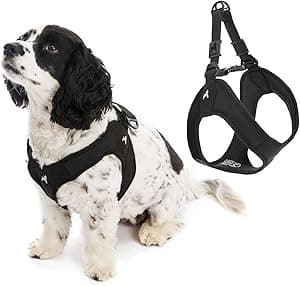 Gooby Escape Free Easy Fit Harness SStep-in escape-proof harness with breathable meshAmazonで価格をチェック
Popular Brands Compared
| Brand | Origin | Price | Known For |
|---|---|---|---|
| Julius-K9 | Hungary | -55 | Tough power harnesses, custom patches |
| PUPPIA | South Korea | -30 | Mesh soft harnesses, sold in 30+ countries |
| curli | Switzerland | -55 | Ultra-light air mesh, DogFinder ID system |
| Truelove | China (48+ countries) | -30 | Vet-recommended Y-type, great value |
| Petio | Japan | -25 | Wide size range, easy to find in stores |
| Ruffwear | USA | -90 | Outdoor/trail-grade durability |
Our pick for getting started: For daily walks with small to medium dogs, a mesh vest-type harness offers the best balance of comfort and value.
FAQ
Can puppies wear harnesses?
Yes, from around 3 months old when they start going on walks. Since puppies grow fast, choose one with a wide adjustment range or plan to size up as they grow.
Can I use a collar and harness together?
Absolutely — in fact, it is recommended. Use the harness for walking, and keep a collar with ID tags, registration, and microchip number as a safety net. If the harness ever comes off, the collar is your last line of defense.
Should I take it off after every walk?
Yes. Leaving a harness on all day can cause moisture buildup and skin irritation, especially in summer.
Any uses beyond walking?
Harnesses work great as car safety restraints (with a seatbelt adapter) and during emergency evacuations. The handle grip on power harnesses is also handy for quickly restraining your dog in unexpected situations.
Track Your Dog's Size Changes
Picking the right harness size starts with knowing your dog's current weight and build. Keeping regular weight records helps you spot when it is time to adjust or upgrade.
With PETTAS, you can track weight trends on a graph — so when you notice a change, you can also reassess harness fit.
Recommended products5 picks
#ad Contains Amazon affiliate links
Family sharing
Share every care note with the whole family
Walks, training notes, vaccinations, and meds in one place. No more 'did you give the meds?' messages in the family chat.
All features free for 14 days — no card required
Get the latest articles by email
Weekly updates on pet health, medications, and insurance — straight to your inbox.
Share this article
Related Articles
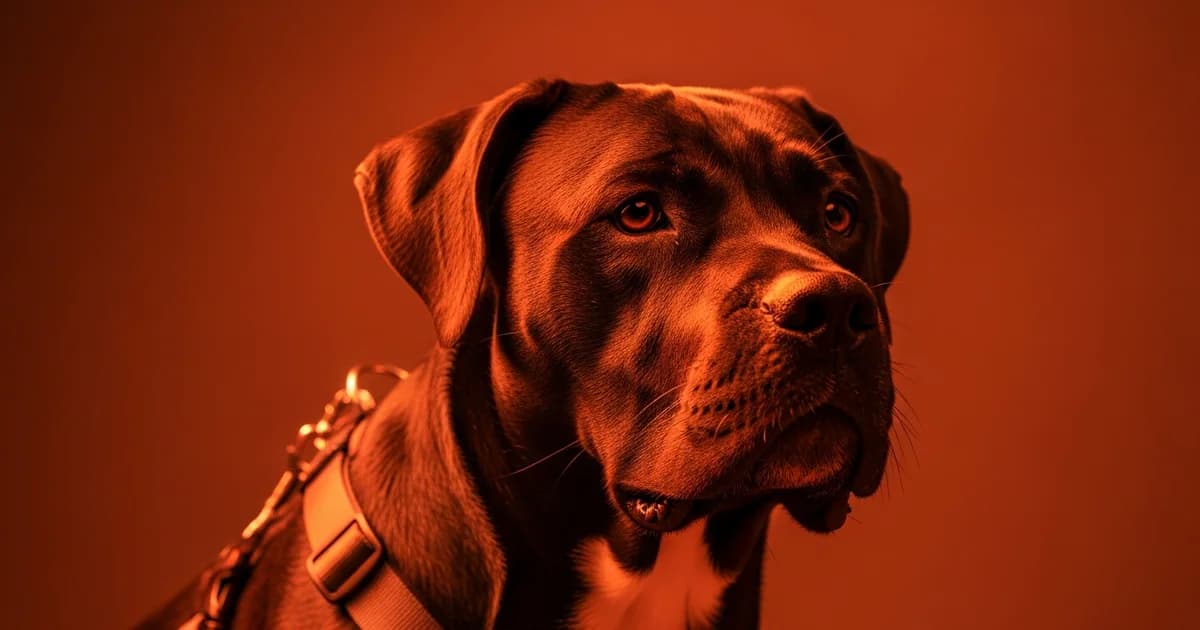
Best 5 Dog Harnesses for Spring Walks 2026: A Complete Buyer's Guide
2026-04-13

3 Must-Know Tips: Dog Ear & Skin Care in Rainy Season (2026)
2026-06-18

5 Rainy Season Skin Problems in Dogs: Vet-Approved Fixes (2026)
2026-06-13
5 Best Indoor Dog Toys for Rainy Days: Puzzle & Nose Work (2026)
2026-06-10
60C Pavement: 4 Dog Walk Mistakes Causing Heatstroke (2026)
2026-05-17