
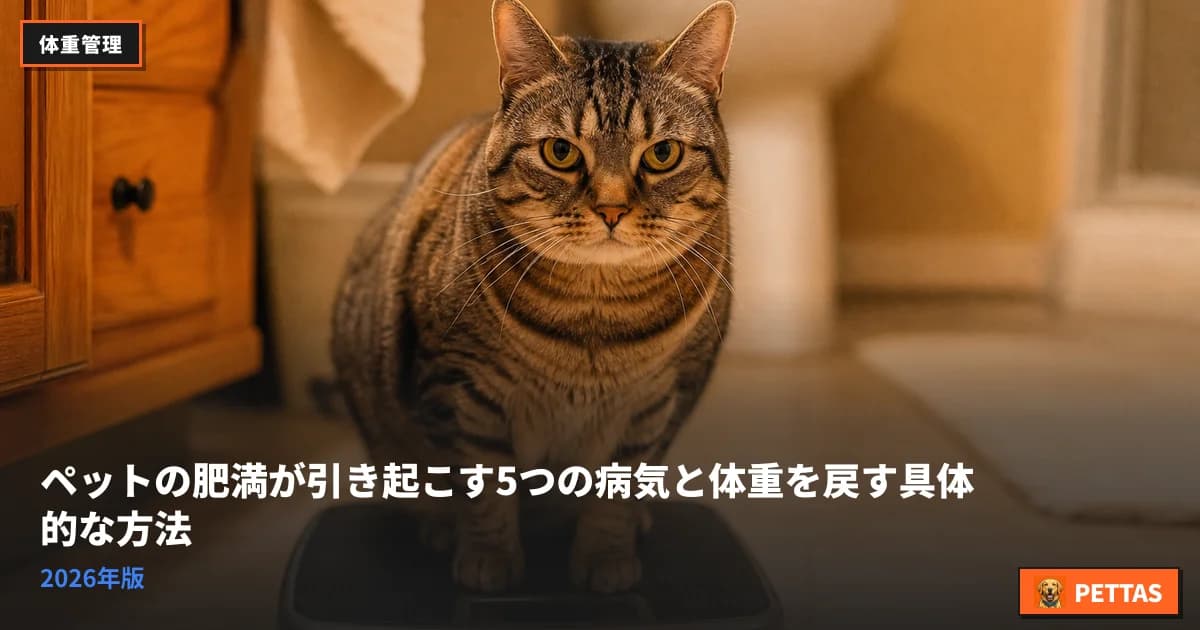
5 Diseases Caused by Pet Obesity + Safe Diet Plan (2026)

PETTAS Editorial Team
Up-to-date pet health guidance
Overweight pets face 4x higher diabetes risk. Learn the signs owners miss, safe weight-loss steps, and how to track progress. Quick checklist inside.
Contents(9)
Why 'A Little Chubby' Is More Serious Than You Think
Is your dog or cat carrying a bit of extra weight? It might seem harmless, but research shows that 30-40% of dogs and cats in developed countries are overweight or obese. More importantly, excess body fat significantly raises the risk of serious diseases — from joint damage to diabetes.
This guide covers the 5 major health risks of pet obesity, the warning signs owners often miss, and a step-by-step plan to help your pet reach a healthier weight safely.
5 Major Health Risks of Pet Obesity
1. Osteoarthritis and Joint Damage
Every extra kilogram of body weight places roughly 4-5 kg of additional stress on joints. Hips and knees are especially vulnerable. Watch for reluctance to climb stairs, stiff movements after rest, or avoiding jumps they once made easily.
2. Diabetes and Insulin Resistance
Excess fat tissue reduces insulin sensitivity. Obese cats face approximately 4x the diabetes risk compared to lean cats. Once diabetes develops, daily insulin injections and strict diet management become necessary — a burden that's largely preventable.
3. Heart and Respiratory Strain
Abdominal fat compresses the diaphragm, reducing lung capacity. Heavy breathing after minimal exercise, frequent resting during walks, and reluctance to play can all signal cardiovascular stress linked to weight gain.
4. Hepatic Lipidosis in Cats
If an obese cat suddenly stops eating (due to stress, illness, or a diet change), the body rapidly mobilizes fat for energy, overloading the liver. This condition — feline hepatic lipidosis — can be life-threatening and is a key reason crash diets are dangerous for cats.
5. Skin and Grooming Problems
Overweight animals struggle to reach certain body parts. Cats may stop grooming their lower back and base of tail, leading to matted fur, skin irritation, and poor hygiene around the anal area. This is often one of the earliest visible signs of obesity in cats.
Is Your Pet Overweight? A Quick Body Check
Use this checklist to assess your pet's condition at home:
- Ribs are hard to feel even with gentle pressure (normal: ribs felt easily without pressing hard)
- No visible waist when viewed from above
- Belly hangs level or droops when viewed from the side
- Tires noticeably faster during walks or play
- Avoids stairs, jumping, or sudden movements
- Coat looks rough or unkempt, especially on the back (cats)
- Last weighed more than 3 months ago
Body Condition Score (BCS): Vets use a 1-9 scale to assess fat coverage. A score of 4-5 out of 9 is ideal. Ask your vet to assess BCS at your next visit for an objective evaluation.
5 Feeding Mistakes That Lead to Obesity
Mistake 1: Eyeballing Food Portions
Using a cup or your hand results in 20-50% more food than intended. Always use a digital kitchen scale and measure to the gram. Base portions on your pet's ideal body weight, not current weight.
Mistake 2: Not Counting Treats as Calories
Treats should make up no more than 10% of daily calorie intake. For a 5 kg (11 lb) adult dog needing around 400-500 kcal/day, that's only 40-50 kcal from treats. A single commercial treat can contain 5-15 kcal, so 5-10 pieces quickly pushes past the limit.
Mistake 3: Keeping the Same Portions After Spaying or Neutering
After surgery, metabolic rate decreases by approximately 20-30%. Feeding the same amount as before will lead to steady weight gain. Have your vet recalculate your pet's caloric needs within 4 weeks post-surgery.
Mistake 4: Staying on Adult Food in Senior Years
Dogs typically enter their senior phase around 7-8 years; cats around 10 years. Activity naturally declines, meaning caloric needs drop. Switching to a senior-formulated food with lower calories and joint-support nutrients is worth discussing with your vet.
Mistake 5: Allowing Fast Eating
Pets that eat too quickly consume more before feeling full. Using a food puzzle or slow feeder encourages slower eating, improves satiety, and turns mealtime into mental enrichment.
A Safe 3-Step Weight Loss Plan
Key rule: Aim for a 1-2% reduction in body weight per month. Never rush.
For cats especially, rapid food restriction can trigger hepatic lipidosis. Muscle loss is also a concern for dogs. Slow and steady is the only safe approach.
Step 1: Get an Accurate Baseline Weight This Week
Weigh your pet weekly at the same time of day, ideally before breakfast. For large dogs, try the "hold-and-subtract" method: weigh yourself, then weigh yourself holding your dog, and subtract.
Keeping a weight log is essential. A simple graph showing weekly changes gives you — and your vet — a clear picture of progress.
Step 2: Recalculate and Adjust Food Intake This Month
| Current Weight | Target Weight | Calorie Basis |
|---|---|---|
| 7 kg (15 lbs) dog | 5.5 kg (12 lbs) target | Use RER for 5.5 kg x activity factor |
| 5 kg (11 lbs) cat | 4 kg (9 lbs) target | Use RER for 4 kg x 0.8 (neutered) |
RER (Resting Energy Requirement) = 70 x bodyweight(kg)^0.75 kcal/day
- Transition foods gradually over 7-10 days to avoid digestive upset
- Ask your vet about prescription weight management diets for BCS 7+
- Replace high-calorie treats with low-calorie training treats, keeping under 10% of daily intake
Step 3: Gradually Increase Activity (No Overexertion)
- Dogs: Add 5 minutes to each walk rather than making sudden increases. For pets with existing joint pain, ask your vet about low-impact options like hydrotherapy.
- Cats: Two 5-10 minute interactive play sessions per day using a wand toy mimics natural hunting instincts and burns calories effectively.
- Food puzzles and slow feeders add mental stimulation while controlling intake pace.
When to See a Vet Before Starting a Diet
Do not start a weight loss plan without veterinary guidance if your pet:
- Is more than 20% above ideal body weight
- Has suddenly lost appetite (especially cats)
- Shows labored breathing or rapid breathing at rest
- Limps or shows signs of joint pain
- Has a history of diabetes, kidney disease, or liver issues
- Has not lost any weight after 4 weeks of diet management
3 Things You Can Do Today
- Weigh your pet right now — Even a rough measurement is a starting point. Write it down with today's date.
- Switch from cups to a digital scale — Measure tonight's meal by grams. Compare it to the recommended amount on the food packaging.
- Count tomorrow's treats — Keep a tally of every treat given. Visibility is the first step to control.
FAQ
Q1. How do I know my pet's ideal weight?
A. The most reliable method is having your vet assess Body Condition Score (BCS). At home, aim for a body where you can feel ribs with light pressure, see a slight waist from above, and notice a slight abdominal tuck from the side. Ideal weight varies significantly by breed and individual build.
Q2. How long does it take to reach a healthy weight?
A. At a safe rate of 1-2% body weight reduction per month, losing 1 kg (2.2 lbs) safely takes approximately 3-5 months. Rushing the process — especially in cats — carries serious health risks. Plan for a long-term commitment rather than a quick fix.
Q3. Should I switch to a prescription weight management diet?
A. For mild overweight cases (BCS 6/9), adjusting portion sizes of regular food may be sufficient. For BCS 7 or higher, or when concurrent health conditions are present, prescription diets are often more effective and safer. Expect to pay approximately 1.5-2x the cost of standard food.
Q4. Can I still give treats during a diet?
A. Yes, but keep treats to under 10% of daily calorie intake. Switch to low-calorie training treats and reduce portion size rather than eliminating treats entirely, which can negatively affect training and bonding.
Q5. When after neutering should I start adjusting food intake?
A. Metabolic changes begin within 2-4 weeks post-surgery. Re-weigh your pet at the 1-month mark. If weight is trending upward, reduce daily food intake by 10-20% as a starting point, and confirm the adjustment with your vet during the post-op check.
Track Your Pet's Weight with a System That Sticks
The hardest part of any diet plan — for pets or people — is consistency. Without a reliable tracking system, it's easy to lose sight of progress and slip back into old habits.
PETTAS, a pet health management app built by a developer who deals with exactly these owner challenges daily, lets you log your pet's weight and visualize it as a graph over time. You'll see at a glance whether the plan is working — and catch weight creep before it becomes a bigger problem.
You can also log food changes, supplements, and vet visits on a shared health timeline, so everyone in your household is on the same page. No more accidental double-feeding.
If you're ready to make weight management a sustainable habit:
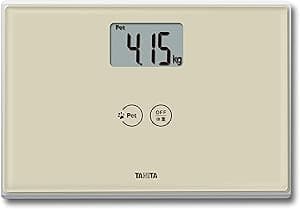
Recommended products5 picks
#ad Contains Amazon affiliate links




Ready to start managing your pet's health with PETTAS?
Medication tracking, health logs, and family sharing in one app. 14-day free trial — all features included.
All features free for 14 days — no card required
Get the latest articles by email
Weekly updates on pet health, medications, and insurance — straight to your inbox.
Share this article
![Best 5 Pet Scales for Dogs & Cats: Types Compared for Accurate Weight Management [Spring 2026]](/_next/image?url=https%3A%2F%2Fpub-da2d771bf1984b0d96426b98a782917e.r2.dev%2Fblog%2Fspring-dog-weight-scale-health-management-recommended-2026.webp&w=3840&q=75)