
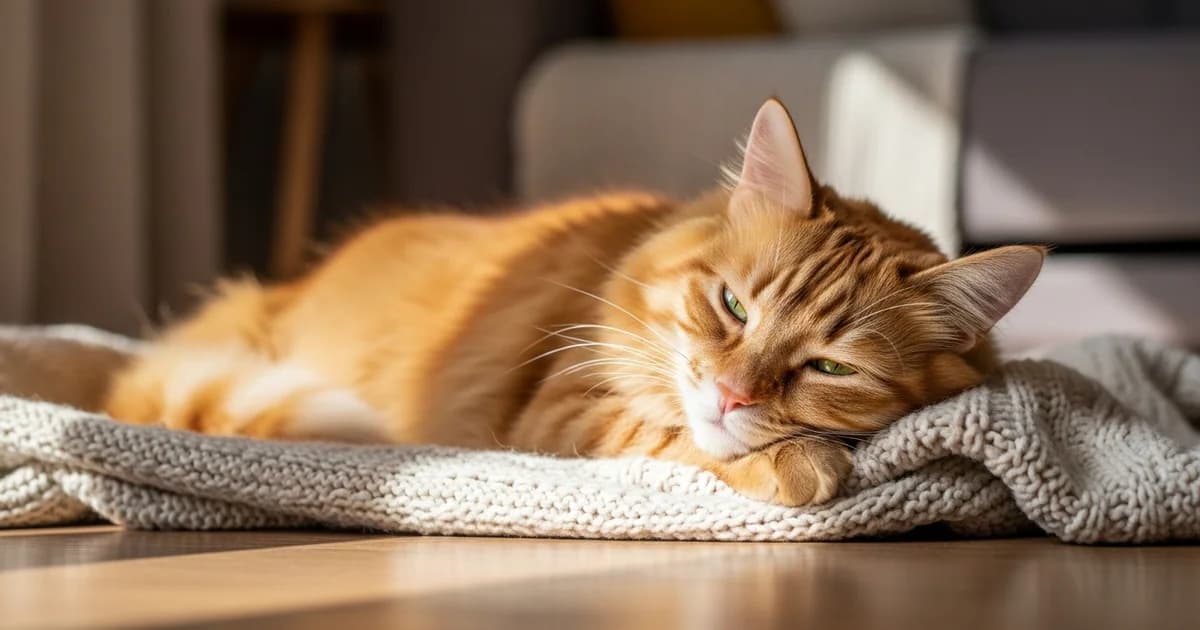
Cat Weight Management: How to Check and Maintain a Healthy Weight

PETTAS Editorial Team
Up-to-date pet health guidance
Learn how to assess your cat's ideal weight using BCS (Body Condition Score), understand obesity-related health risks, and manage diet and exercise for a healthier cat.
Contents(11)
Cat Obesity Is a Serious Health Risk
Studies suggest that nearly 40% of domestic cats are overweight or obese. While a chubby cat may look adorable, excess weight significantly increases the risk of diabetes, arthritis, heart disease, and other serious conditions.
Knowing your cat's ideal weight and monitoring it regularly is the first step toward a longer, healthier life.
What Is a Healthy Weight for a Cat?
General guidelines by breed:
- Domestic Shorthair (mixed breed): 3.5-5.5 kg (8-12 lbs)
- American Shorthair: 3.0-6.0 kg (7-13 lbs)
- Scottish Fold: 3.0-5.0 kg (7-11 lbs)
- Maine Coon: 4.0-8.0 kg (9-18 lbs)
- Munchkin: 2.5-4.0 kg (5.5-9 lbs)
However, breed, bone structure, and age create significant individual variation, so weight alone isn't a reliable indicator.
Using BCS (Body Condition Score) to Assess Weight
Veterinarians use the Body Condition Score — a 9-point (or 5-point) scale — for objective body condition assessment.
How to Check
- Rib test: You should be able to feel the ribs with light pressure. If they're buried under a thick layer of fat, your cat is overweight.
- View from above: A visible waist tuck indicates healthy weight. A round, oval shape suggests excess weight.
- Side profile: A belly that hangs and sways indicates fat accumulation.
The ideal BCS is 4-5 on the 9-point scale — ribs covered by a thin layer of fat but still palpable, with a visible waist from above.
Health Risks of Excess Weight
Diabetes
Feline diabetes is strongly correlated with obesity. Obese cats face over 4 times the risk of developing diabetes compared to cats at a healthy weight.
Joint Disease
Extra weight places enormous stress on joints. If your cat stops jumping to high places or hesitates before leaping, joint pain may be the cause.
Urinary Tract Issues
Overweight cats tend to be less active and drink less water, increasing the risk of urinary stones and bladder infections.
Hepatic Lipidosis (Fatty Liver)
This is a particularly dangerous condition unique to cats. When an obese cat suddenly stops eating, fat rapidly accumulates in the liver and can be life-threatening. This is why crash dieting is extremely dangerous for cats.
Diet Management Essentials
Calculate Proper Calorie Intake
Indoor adult cats typically need about 50-60 kcal per kilogram of body weight per day. A 4 kg (9 lb) cat needs roughly 200-240 kcal daily. Compare this with the calorie information on your cat food packaging to determine the right portion.
Measure Every Meal
Eyeballing portions is the number one cause of overfeeding. Use a digital kitchen scale to measure food every time.
Eliminate Free Feeding
Leaving food out all day encourages boredom eating. Set 2-3 meal times per day and remove uneaten food after 20-30 minutes.
Keep Treats Under 10% of Daily Calories
Treats are an important part of bonding, but overindulgence adds up quickly. When you give treats, reduce the main meal proportionally.
Increasing Activity
Indoor Exercise Ideas
- Wand toys and laser pointers to stimulate hunting instincts
- Cat trees to encourage climbing and jumping
- Food puzzles that make cats work for their meals
- Cardboard boxes and tunnels for exploration
Aim for 2-3 play sessions of 10-15 minutes throughout the day.
Why Weight Tracking Matters
Weight changes happen gradually, making them hard to notice day-to-day.
Monthly weigh-ins help you:
- Catch upward or downward trends early
- Adjust food portions with confidence
- Provide your vet with objective data
- Track diet progress over time
Important Diet Safety Notes
Cat weight loss must be slow and steady.
- Target: 1-2% of body weight per week
- Rapid food restriction can trigger hepatic lipidosis
- Always consult your vet before starting a diet plan
- Consider prescription weight management foods
Editor's Pick
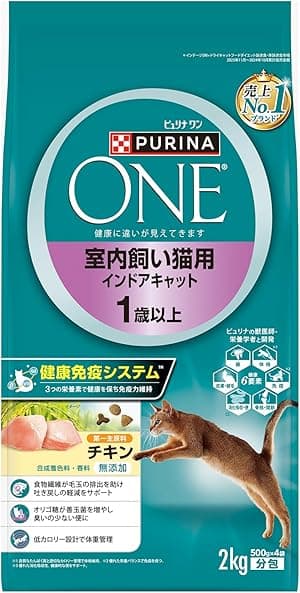
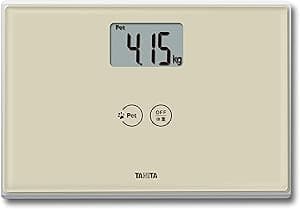 Tanita CA-100A Pet ScaleAccurate pet scale for small to medium-sized animalsAmazonで価格をチェック
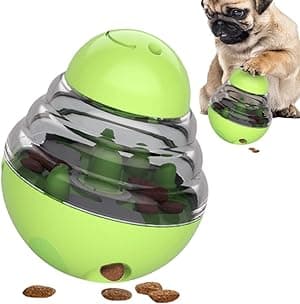 Interactive Treat Ball & Slow Feeder ToyPrevents overeating while providing mental stimulationAmazonで価格をチェック
Related Articles
If you found this helpful, you may also want to read:
- When Does Your Pet Become a Senior? 7 Signs of Aging You Shouldn't Ignore
- 5 Reasons Every Pet Owner Should Keep Health Records
- 5 Vet-Approved Tips When Your Cat Refuses Medication
Takeaway
Cat weight management starts with knowing the right portion size and weighing your cat regularly. BCS checks, calorie counting, and consistent measuring — these simple habits are the best way to protect your cat's health.
If you suspect your cat has gained a few extra grams, start with a monthly weigh-in and go from there.
Recommended products5 picks
#ad Contains Amazon affiliate links

AI health reports
Catch issues early with health logs + AI reports
Log weight, appetite, and bathroom habits in one tap. AI analyzes trends and shares a vet-ready graph at every visit.
All features free for 14 days — no card required
Get the latest articles by email
Weekly updates on pet health, medications, and insurance — straight to your inbox.
Share this article
Related Articles
Under 10kg? 6 Best Dog Foods for Small Breeds (2026)
2026-03-31
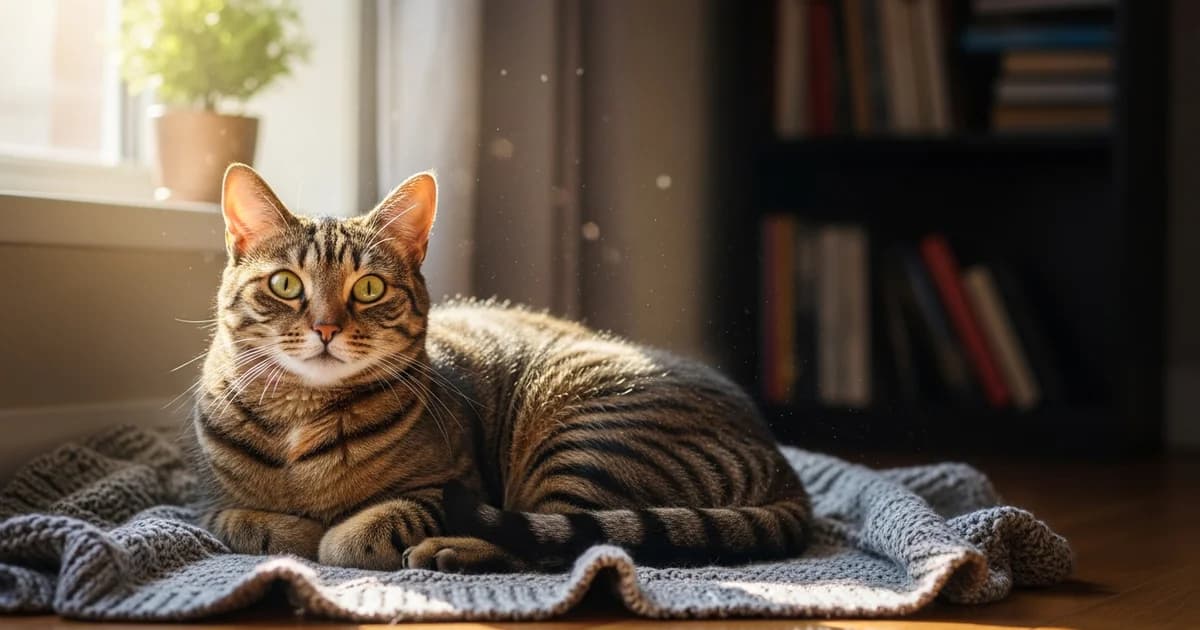
When Does Your Pet Become a Senior? 7 Signs of Aging You Shouldn't Ignore
2026-03-05
![7 Best Dental Care Products for Dogs and Cats [Vet-Recommended] — Plus How to Start Brushing](/_next/image?url=https%3A%2F%2Fpub-da2d771bf1984b0d96426b98a782917e.r2.dev%2Fblog%2Fpet-dental-care-recommended.webp&w=3840&q=75)
7 Best Dental Care Products for Dogs and Cats [Vet-Recommended] — Plus How to Start Brushing
2026-03-31

5 Reasons Every Pet Owner Should Keep Health Records
2026-02-23
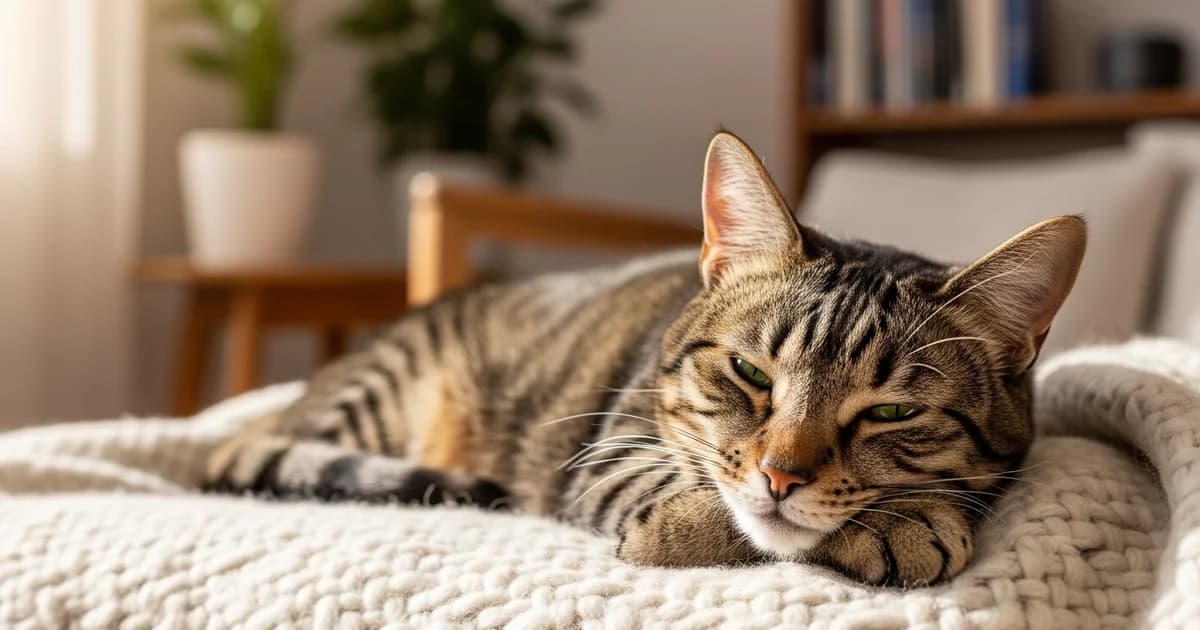
Dog & Cat Vaccine Schedule 2026: When, What & How Much | Complete Guide
2026-02-23