
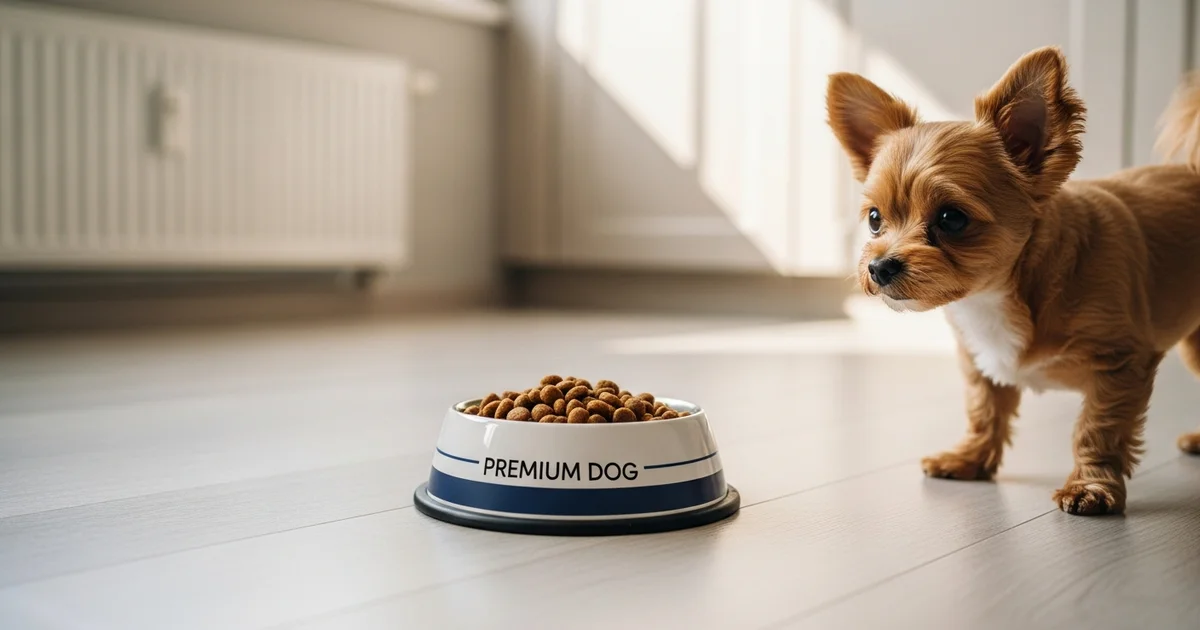
Under 10kg? 6 Best Dog Foods for Small Breeds (2026)

PETTAS Editorial Team
Up-to-date pet health guidance
Small dogs burn calories 2x faster than large breeds. Our 6 vet-ranked kibbles & wet foods nail calorie density, protein, and kibble size.
Contents(9)
Why Food Choice Matters More for Small Breeds
Chihuahuas, Toy Poodles, Pomeranians, Maltese — small dogs have a higher energy expenditure per kilogram of body weight than large breeds, which means nutritional imbalances affect their health more quickly and more noticeably.
Small breeds also have compact jaws and crowded teeth, making them especially prone to dental disease. The size and texture of kibble directly impacts dental health in ways that owners often overlook.
Additionally, small dogs — particularly puppies — are susceptible to hypoglycemia. The frequency and composition of their meals matter far more than for larger dogs. Choosing a food that matches your dog's size, age, and individual needs is the foundation of long-term health.
Nutritional Needs by Life Stage
Puppy Stage (Birth to 1 Year)
Puppies are in a phase of rapid skeletal and muscle development. They require significantly higher levels of protein, calcium, and phosphorus than adult dogs, along with a higher calorie density per serving.
Small breed puppies are particularly prone to low blood sugar, so feeding 3 to 4 small meals per day is recommended. Foods labeled "small breed puppy" are formulated with appropriately sized kibble and the right calorie density for this stage.
Key nutrients: High protein (25%+ on a dry matter basis), DHA (brain and vision development), balanced calcium-to-phosphorus ratio
Adult Stage (1 to 7 Years)
The focus during this stage shifts to maintaining healthy body composition and preventing lifestyle-related disease. Excess calories lead directly to obesity, so choosing a food with an appropriate calorie profile — and measuring every portion — becomes essential.
A general guideline for small breed adults is 60 to 80 kcal per kilogram of body weight per day. A 3 kg Toy Poodle needs roughly 180 to 240 kcal daily.
Key nutrients: Moderate protein, omega-3 and omega-6 fatty acids (skin and coat), glucosamine (joint support)
Senior Stage (7 Years and Up)
Small breeds tend to live long lives, making proper senior nutrition especially important. At this stage, the diet should be adjusted to reduce the burden on the kidneys, support aging joints, and remain easily digestible.
Appetite often decreases in senior dogs, so foods with higher palatability or a combination of wet and dry food can help maintain adequate intake.
Key nutrients: Reduced phosphorus with appropriate protein (kidney support), glucosamine and chondroitin (joint support), dietary fiber (gut health)
Three Key Factors When Choosing a Food
1. Kibble Size
Choose a food with small-breed kibble — generally 8 to 10 mm in diameter or smaller. Oversized kibble leads to insufficient chewing, which increases the risk of digestive issues and dental disease.
2. Calorie Density
Because small dogs eat small portions, they need calorie-dense food to meet their full nutritional requirements from a small amount. That said, less active indoor dogs are prone to weight gain, so always check the calorie count on the packaging and stick to the recommended serving size.
3. Ingredient Quality
The ingredient listed first on the label is present in the greatest quantity. Look for a named animal protein — "chicken," "salmon," "lamb" — as the first ingredient. Be cautious of foods that lead with vague terms like "meat meal," "poultry by-products," or unspecified protein sources.
Ideally, choose foods free from artificial coloring, artificial flavoring, and synthetic preservatives such as BHA, BHT, and ethoxyquin.
Top 5 Dog Foods for Small Breeds
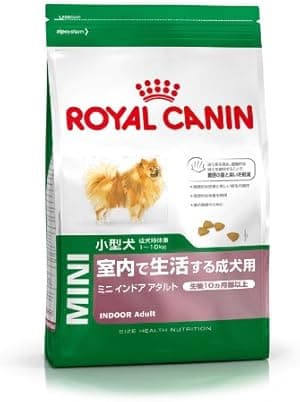
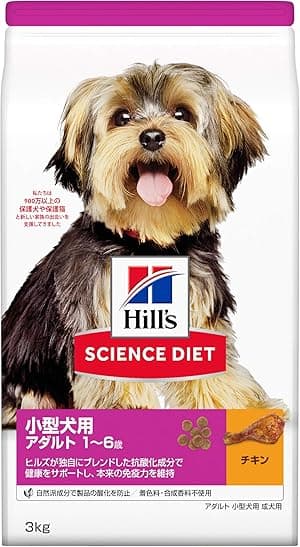
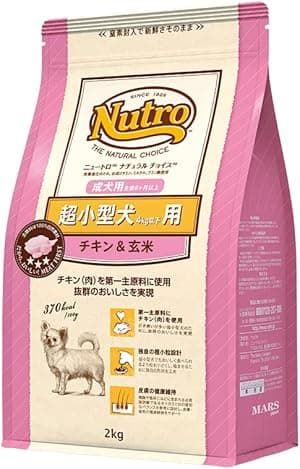
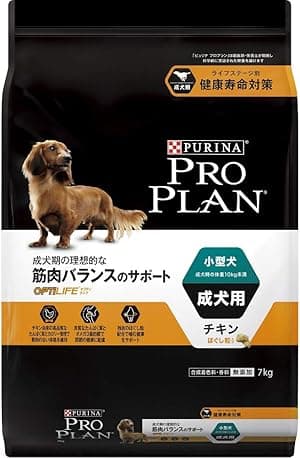
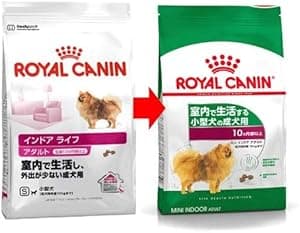
Here are five highly regarded options available on Amazon, each suited to different priorities and life stages.
The Connection to Weight Management
Choosing the right food is only half the equation — tracking your dog's weight regularly is equally important.
Because small dogs are so compact, even a 200 to 300 gram fluctuation has a proportionally larger impact on body fat percentage than it would in a larger breed. By the time an owner notices that a small dog looks "a little chubby," the dog may already be 5 to 10% over its ideal weight.
Consistent weight tracking enables you to:
- Notice when portion sizes are too large or too small
- Catch sudden weight loss caused by illness early
- Share objective data with your veterinarian at checkups
- Monitor progress during a weight management program
With PETTAS, you can log your dog's weight and view it as a graph to spot trends at a glance. Recording notes about food changes or appetite shifts alongside weight entries makes it much easier to fine-tune your feeding approach over time.
→ Start tracking weight with PETTAS
Watch Out for Food and Medication Interactions
Senior dogs and small breeds with chronic conditions often take daily medications. Some medications must be given on an empty stomach, while others require food for proper absorption — giving them at the wrong time can reduce their effectiveness or cause stomach upset.
Certain foods and supplements can also interfere with how medications are absorbed or metabolized in the liver. This is worth discussing with your veterinarian, especially when changing your dog's food or adding supplements.
PETTAS's medication management feature lets you log and schedule your dog's medications, including notes about whether they should be given before meals, with food, or between meals. Keeping this information organized makes it far easier to coordinate feeding and medication timing correctly.
→ Manage medications with PETTAS
Related Articles
If you found this helpful, you may also want to read:
- Cat Weight Management: How to Check and Maintain a Healthy Weight
- 7 Best Dental Care Products for Dogs and Cats [Vet-Recommended] — Plus How to Start Brushing
- 5 Basic Dog Training Steps: A Complete Spring Puppy Guide for New Owners
Takeaway
Finding the right food for a small breed dog means revisiting the choice regularly as your dog ages and their needs change.
- Puppy stage: High protein and high calorie density to support skeletal development
- Adult stage: Calorie-appropriate portions to prevent obesity
- Senior stage: Kidney- and joint-friendly formulas with easily digestible ingredients
Great food and consistent weight tracking work together. Upgrading to a better-quality food will not prevent weight gain if portions are too large. And even perfectly measured portions can contribute to health problems if the nutritional profile is wrong for your dog's life stage.
Build a habit of measuring meals and logging weight regularly — your dog's health will reflect it for years to come.
FAQ
Q. How much should I feed my small breed dog per day?
A. Small breeds typically need 40-60 calories per pound of body weight daily — about twice the caloric density of large breeds per kg. A 5kg dog needs roughly 300-400 calories/day split into 2-3 meals to maintain stable blood sugar.
Q. Should small dogs eat puppy food longer than large breeds?
A. No — it's the opposite. Small breeds reach adult size by 9-12 months and should transition to adult food then. Large breeds grow until 18-24 months and need puppy food longer. Feeding puppy food too long to small dogs can lead to obesity.
Q. Is wet food or dry food better for small dogs?
A. Both can be nutritionally complete. Dry kibble helps with dental health and is more calorie-dense per gram. Wet food provides extra hydration and is easier for dogs with dental issues. Many owners successfully mix both.
Q. Why do small breed dogs need smaller kibble size?
A. Small dogs have smaller jaws and teeth. Appropriately-sized kibble (5-8mm) ensures they can chew properly, which aids digestion and nutrient absorption. Large kibble may be swallowed whole, increasing choking risk and reducing digestibility.
Recommended products5 picks
#ad Contains Amazon affiliate links
AI health reports
Catch issues early with health logs + AI reports
Log weight, appetite, and bathroom habits in one tap. AI analyzes trends and shares a vet-ready graph at every visit.
All features free for 14 days — no card required
Get the latest articles by email
Weekly updates on pet health, medications, and insurance — straight to your inbox.
Share this article
Related Articles

Cat Weight Management: How to Check and Maintain a Healthy Weight
2026-03-04
![7 Best Dental Care Products for Dogs and Cats [Vet-Recommended] — Plus How to Start Brushing](/_next/image?url=https%3A%2F%2Fpub-da2d771bf1984b0d96426b98a782917e.r2.dev%2Fblog%2Fpet-dental-care-recommended.webp&w=3840&q=75)
7 Best Dental Care Products for Dogs and Cats [Vet-Recommended] — Plus How to Start Brushing
2026-03-31

When Does Your Pet Become a Senior? 7 Signs of Aging You Shouldn't Ignore
2026-03-05

5 Reasons Every Pet Owner Should Keep Health Records
2026-02-23

Dog & Cat Vaccine Schedule 2026: When, What & How Much | Complete Guide
2026-02-23