

Foods Toxic to Dogs and Cats | What to Do If Your Pet Eats Something Dangerous

PETTAS Editorial Team
Up-to-date pet health guidance
A comprehensive list of foods that are dangerous for dogs and cats, including chocolate, onions, and grapes. Learn the symptoms and what to do if your pet ingests something harmful.
Contents(8)
"Just a Little Bit" Can Be Life-Threatening
"It's food that humans eat, so it must be fine" — this mindset is extremely dangerous.
Many foods that are perfectly safe for humans can be toxic or even fatal for dogs and cats, even in small amounts. Chocolate and grapes, for instance, can cause severe symptoms from just a tiny amount.
This article covers the foods you should never give your pets and what to do if accidental ingestion occurs.
Dangerous for Both Dogs and Cats
Chocolate and Cocoa
Danger Level: Very High
Theobromine in chocolate is metabolized much more slowly in dogs and cats than in humans, leading to toxic buildup. Dark chocolate and high-cocoa products are especially dangerous even in small quantities.
Symptoms: Vomiting, diarrhea, hyperactivity, tremors, seizures, abnormal heart rhythm
Onions and Allium Family (Garlic, Leeks, Chives)
Danger Level: Very High
Compounds in allium vegetables destroy red blood cells, causing hemolytic anemia. Cooking does NOT eliminate the toxicity. Be careful with soups, sauces, and prepared foods that may contain these ingredients.
Symptoms: Lethargy, decreased appetite, red or brown urine, jaundice (may appear days later)
Grapes and Raisins
Danger Level: Very High (Dogs)
Grapes can cause acute kidney failure in dogs. The exact toxic substance hasn't been identified yet, but even small amounts can trigger severe symptoms.
Symptoms: Vomiting, diarrhea, decreased appetite, reduced urination, kidney failure
Xylitol (Artificial Sweetener)
Danger Level: Very High (Dogs)
Found in sugar-free gum, toothpaste, and some candies, xylitol causes rapid insulin release in dogs, leading to dangerous hypoglycemia and potential liver failure.
Symptoms: Vomiting, loss of coordination, seizures, collapse
Foods Especially Dangerous for Dogs
Avocado
The fruit, seed, and skin all contain persin, which is toxic to dogs.
Symptoms: Vomiting, diarrhea, difficulty breathing
Macadamia Nuts
These nuts cause a specific toxic reaction in dogs, with symptoms typically appearing within 12 hours of ingestion.
Symptoms: Hind leg weakness, vomiting, fever, tremors
Foods Especially Dangerous for Cats
Lily Plants
Even drinking the water from a vase containing lilies can cause acute kidney failure in cats. If you have cats, never keep lily flowers in your home.
Symptoms: Vomiting, loss of appetite, decreased urination, kidney failure
Raw Fish (Long-term)
Raw fish contains thiaminase, which breaks down vitamin B1 and can lead to deficiency over time. Small occasional amounts may be fine, but regular feeding should be avoided.
Symptoms: Decreased appetite, loss of coordination, seizures
Other Foods to Watch Out For
| Food | Dogs | Cats | Primary Risk |
|---|---|---|---|
| Cooked bones | Caution | Caution | Can splinter and damage digestive tract |
| Raw eggs | Caution | Caution | Salmonella risk |
| Caffeine | Dangerous | Dangerous | Hyperactivity, abnormal heart rhythm |
| Alcohol | Dangerous | Dangerous | Central nervous system depression |
| Salty foods | Caution | Caution | Kidney strain |
| Cow's milk | Caution | Caution | Lactose intolerance causing diarrhea |
What to Do If Your Pet Eats Something Toxic
1. Identify What and How Much Was Eaten
Check the packaging or remaining food to estimate the amount as accurately as possible. This information is critical for your veterinarian's assessment.
2. Do NOT Induce Vomiting on Your Own
You might think making your pet vomit will help, but attempting this without veterinary guidance can damage the esophagus or cause aspiration. Always consult your vet first.
3. Contact Your Veterinarian Immediately
Be ready to provide:
- Pet's species, weight, and age
- What was eaten
- When it was eaten
- Current symptoms
4. After-Hours Emergencies
Know your local emergency animal hospital before you need it. Search "emergency vet near me" and save the contact information in your phone.
Prevention Tips
- Never leave food unattended on tables or counters
- Use trash cans with secure lids
- Ask guests not to feed your pets
- Teach children which foods are off-limits for pets
- Keep a list of dangerous foods on your refrigerator## Related Articles
If you found this helpful, you may also want to read:
- Pet Emergency QR Cards: Be Prepared for Lost Pets, Disasters, and Medical Crises
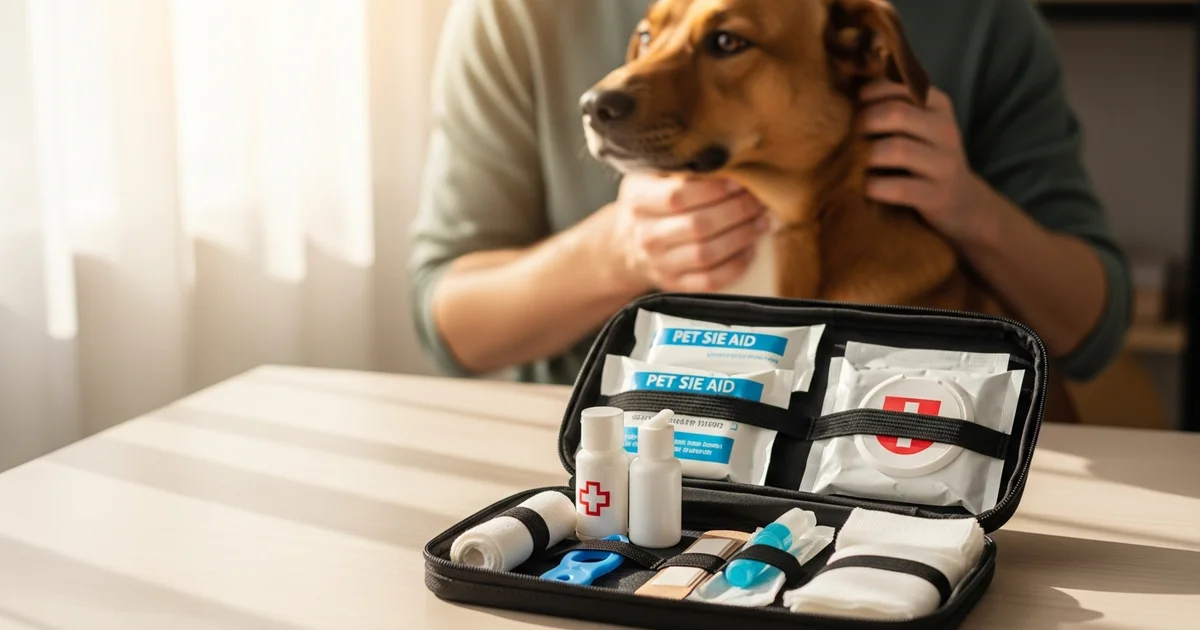
- Complete Pet Disaster Preparedness Guide | Emergency Evacuation Checklist
- How Much Do Pet Medical Bills Really Cost? Annual Averages and 3 Ways to Ease the Burden
Takeaway
Most pet poisoning incidents are preventable with knowledge and vigilance.
"I didn't know" isn't an excuse when your pet's life is at stake. Bookmark this article so you can reference it quickly in an emergency.
Recommended products3 picks
#ad Contains Amazon affiliate links

Emergency QR card
Create an Emergency QR Card for peace of mind
From lost pets to disasters, a single QR on the collar reveals emergency contacts, vet info, and medications. Print and deploy today.
All features free for 14 days — no card required
Get the latest articles by email
Weekly updates on pet health, medications, and insurance — straight to your inbox.
Share this article
Related Articles

Pet Medication Schedule Guide: How to Never Miss a Dose
2026-03-07

When Does Your Pet Become a Senior? 7 Signs of Aging You Shouldn't Ignore
2026-03-05

Managing Health for Multiple Pets: Organization Tips That Work
2026-03-02
Complete Pet Disaster Preparedness Guide | Emergency Evacuation Checklist
2026-03-03

Pet Emergency QR Cards: Be Prepared for Lost Pets, Disasters, and Medical Crises
2026-02-28