
Pet Medication Schedule Guide: How to Never Miss a Dose

PETTAS Editorial Team
Up-to-date pet health guidance
A practical guide to managing your pet's medication schedule. Learn how to set up reminders, share responsibilities with family, and keep accurate medication records.
Contents(10)
Why Medication Management Matters
Pet medications only work when given at the right time and in the correct dosage. Missed doses or irregular timing can worsen symptoms and even contribute to drug resistance.
This is especially critical for ongoing medications like heartworm preventatives or anti-seizure drugs, where a single missed dose can have serious consequences.
Tips for Building a Medication Schedule
Tie It to Daily Routines
The most effective approach is linking medication to habits you already have — "before breakfast" or "after the evening walk." Instead of creating a new routine, attach it to an existing one.
Managing Multiple Medications
When your pet takes several medications at different times, create a simple chart listing each drug's name, dosage, timing, and special instructions. Having everything in one place makes management much easier.
Separate Regular and As-Needed Medications
Daily medications and those used only when symptoms appear require different management approaches. Focus on scheduling for regular meds and inventory tracking for as-needed ones.
Using Reminders Effectively
While phone alarms and calendar notifications work, a dedicated pet management app offers more precise control.
What makes an effective reminder:
- Notification 10-15 minutes before dosing time
- Snooze option to prevent forgetfulness
- Ability to log when medication was given
- Notifications sent to all family members
Sharing Medication Duties with Family
When only one person handles medications, missed doses are inevitable when that person is away.
Information to share with all family members:
- Drug name and appearance (color, shape, size)
- Administration method (direct, mixed with food, wrapped in treats)
- Timing and dosage
- Signs of side effects and what to do
- Veterinarian's contact information
When Your Pet Resists Medication
For Dogs
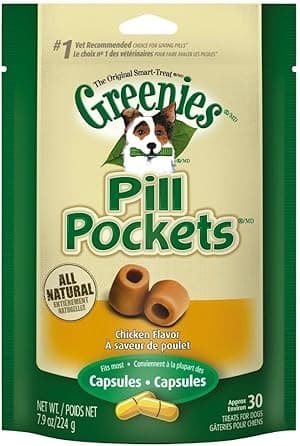
Wrapping pills in treats is the most common method. Use commercial pill pockets or small amounts of cheese or wet food. Always confirm with your vet whether the medication should be given on an empty stomach.
For Cats
Cats are highly sensitive to taste and smell, so mixing medication into food may cause them to refuse the entire meal. Ask your vet about liquid formulations as an alternative.
Benefits of Keeping Medication Records
Tracking daily medication helps in several ways:
- Provide accurate information during vet visits
- Objectively monitor drug effectiveness and side effects
- Manage medication inventory to avoid running out
- Prevent mix-ups when caring for multiple pets
Managing Medications for Multiple Pets
With several pets in the household, confusion about who received which medication is common.
- Store medications separately for each pet
- Use a daily checklist to confirm doses given
- Label medication packaging with each pet's name
- Use an app to manage pet-specific medication schedules
Editor's Pick
Related Articles
If you found this helpful, you may also want to read:
- 5 Tips to Never Miss Your Pet's Medication Again
- Best Heartworm Prevention for Dogs in 2026: Top 5 Picks & Dosing Schedule
- Managing Health for Multiple Pets: Organization Tips That Work
Takeaway
The key to medication management is building a system that makes forgetting difficult. Setting up reminders, sharing information with family, and logging doses — these three practices dramatically reduce the risk of missed medications.
Start today to protect your pet's health with a reliable medication routine.
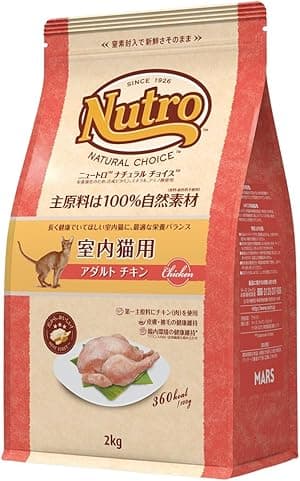
Recommended products5 picks
#ad Contains Amazon affiliate links

Medication reminders
Automate medication schedules with PETTAS
Register medications once and get automatic reminders. Log doses in real time with the whole family — no more missed or duplicate doses.
All features free for 14 days — no card required
Get the latest articles by email
Weekly updates on pet health, medications, and insurance — straight to your inbox.
Share this article
Related Articles
Managing Health for Multiple Pets: Organization Tips That Work
2026-03-02
When Does Your Pet Become a Senior? 7 Signs of Aging You Shouldn't Ignore
2026-03-05
Foods Toxic to Dogs and Cats | What to Do If Your Pet Eats Something Dangerous
2026-03-01
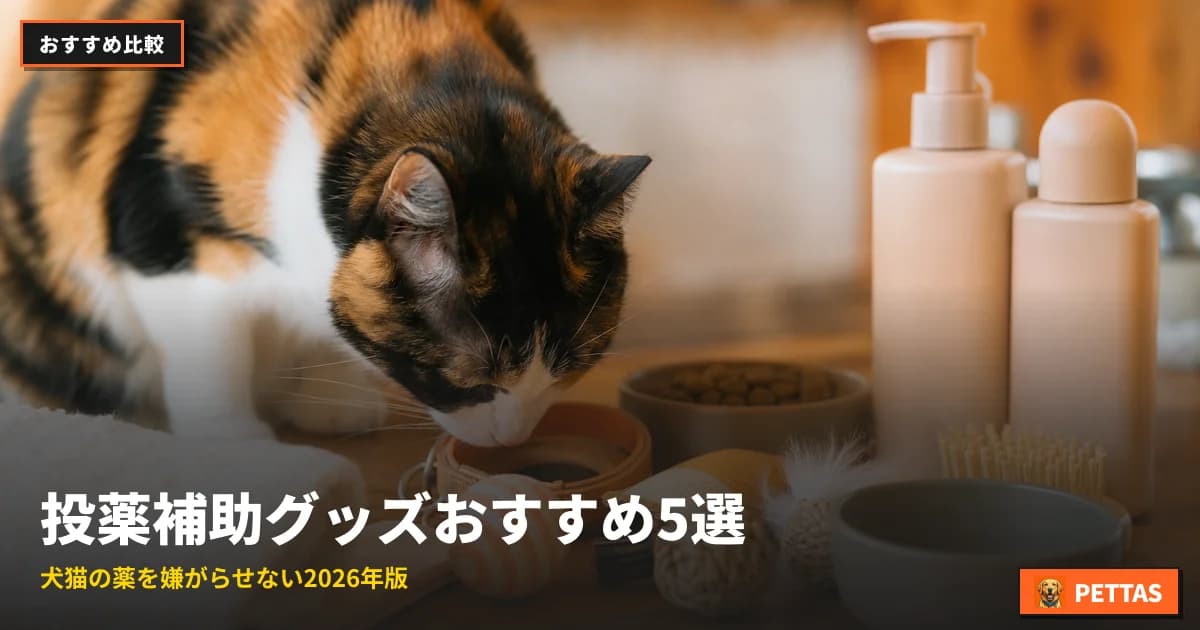
5 Best Pet Pill Aids for Dogs & Cats (2026) | Buyer's Guide
2026-05-26
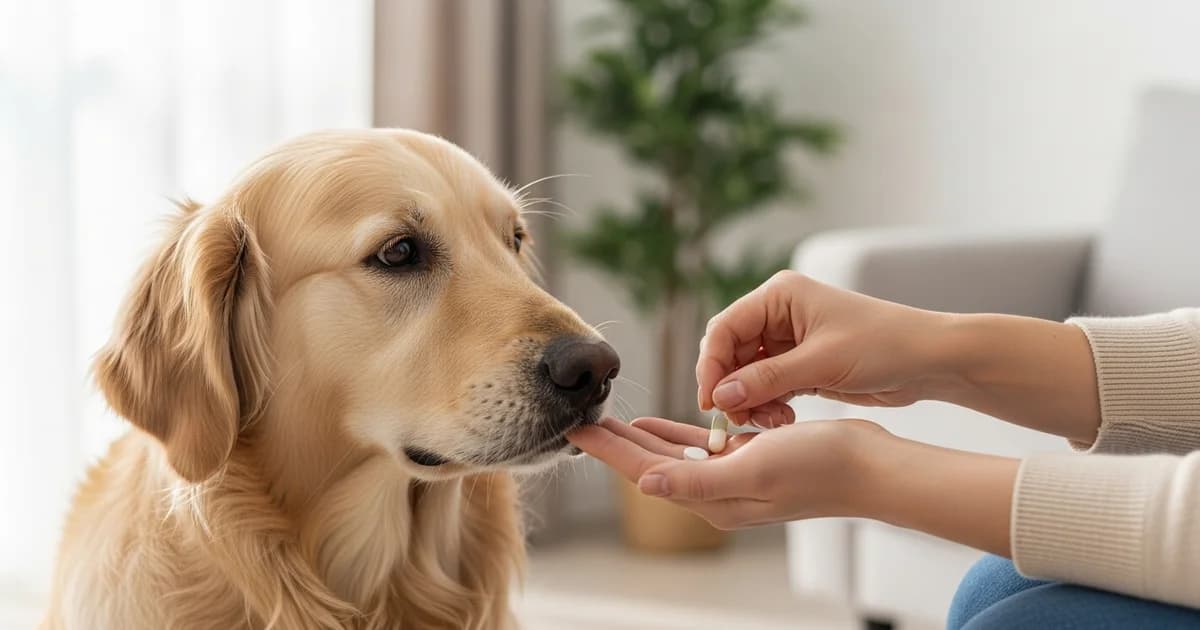
From $6/Mo: 7 Best Heartworm Preventives for Dogs (2026)
2026-03-31