

5 Ways to Prevent Pet Heatstroke: Hydration Guide (2026)

PETTAS Editorial Team
Up-to-date pet health guidance
40-80ml/kg/day: is your dog or cat drinking enough? Spot dehydration early and choose the right water fountain. Checklist + vet advice inside.
Contents(8)
Last updated: 2026-05-22
Does your pet actually drink enough water? Most owners have no idea -- and that gap can become dangerous fast.
According to the American Veterinary Medical Association (AVMA), heatstroke and dehydration-related emergencies in pets spike sharply from May through September. What makes this tricky is that early dehydration signs in both dogs and cats are easy to miss until things get serious.
This guide covers daily water intake targets, the five dehydration signs most owners overlook, how to choose the right water bowl or fountain, and simple steps to keep your pet safe as temperatures rise.
How Much Water Should Your Dog or Cat Drink Per Day?
A quick formula to bookmark:
- Dogs: 50-80 ml per kg of body weight per day (more in hot weather or after exercise)
- Cats: 40-60 ml per kg per day (higher if eating dry food only)
A 4 kg (8.8 lbs) cat on an all-dry-food diet needs roughly 160-240 ml (about 5-8 oz) of water daily from their bowl alone. That is one to one-and-a-half standard mugs -- more than most owners realize.
Cats evolved in arid environments and have a naturally weak thirst drive. This means they can live in a state of mild chronic dehydration without showing obvious symptoms, which is one reason kidney disease is so prevalent in cats.
The 1-Day Measurement Method
Pour a measured amount of water (e.g., 300 ml) into the bowl each morning, then check what remains at night. Do this for one week to establish a reliable baseline for your individual pet.
5 Dehydration Signs Owners Often Miss
Waiting for your pet to look visibly ill is too late. Check for these subtler signs:
- Skin tent test: gently pinch the scruff -- if it takes more than 1-2 seconds to return flat, dehydration is likely
- Gums feel dry or sticky instead of moist and slippery
- Eyes appear slightly sunken
- Urine is darker yellow than usual
- Unusual lethargy or reduced interest in food
If two or more of these apply, consult a veterinarian the same day. Dehydration above 8% body weight requires IV fluid therapy; above 10-12% it becomes life-threatening.
When to see a vet immediately: your pet has not drunk water for 24 hours, is vomiting or has diarrhea, cannot stand or is unresponsive.
Choosing a Water Bowl or Fountain: Common Mistakes
Automatic water fountains are popular -- but switching to one does not guarantee your pet will actually drink more. Here is a quick comparison:
| Type | Pros | Cons |
|---|---|---|
| Standard bowl | Easy to clean, inexpensive | Warms quickly in summer, dust collects |
| Circulating fountain | Attracts cats that prefer moving water | Requires weekly cleaning + filter changes |
| Auto-refill tank | Good for trips away | Water can stagnate; bacteria risk if not cleaned |
The single biggest mistake? Choosing a fountain based on looks and then skipping the weekly cleaning. A fountain with a mold-coated filter is worse than a plain bowl changed daily.
Always check whether all components disassemble for washing. If cleaning feels like a chore, you will stop doing it -- and that defeats the purpose.
For cats that prefer drinking from a flow (a common preference), a circulating fountain can genuinely increase daily intake:
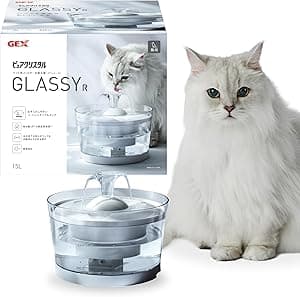 GEX PureKristal Glassy R for Cats 1.5L- glass body, easy to disassemble and cleanAmazonで価格をチェック
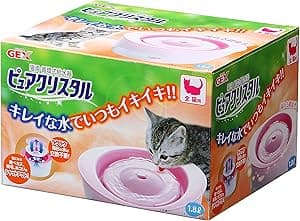 GEX PureKristal All Cats- wider capacity, suitable for multi-cat householdsAmazonで価格をチェック
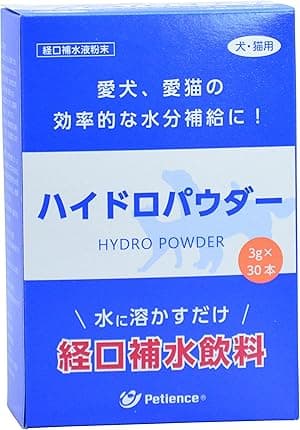
For post-walk electrolyte replenishment, especially in hot weather:
May and June: The Highest-Risk Window You Might Not Know About
The two weeks after temperatures first exceed 25 degrees Celsius (77 degrees Fahrenheit) are statistically the most dangerous for pets -- because their bodies have not yet adapted to the heat. This acclimatization period is when heatstroke incidents cluster.
Key outdoor hydration habits to start now:
-
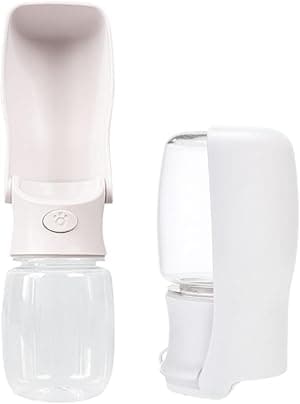
Bring a portable water bottle on any walk over 20 minutes
-
Offer water every 15-20 minutes proactively -- do not wait for your dog to ask
-
Avoid walks on hot asphalt between 10 AM and 3 PM
Indoor cooling matters just as much. Giving pets a cool spot to retreat to independently reduces heat stress significantly:
 Petio Cool Aluminum Gel Mat M- dual-layer aluminum and gel stays cool without refrigerationAmazonで価格をチェック
 Marukan Hinyari Cool Cat Bowl Jumbo CT-418- aluminum bowl shape cats instinctively settle intoAmazonで価格をチェック
3 Actions to Take Today
- Measure today's water intake -- pour a known volume this morning and check tonight. Know your baseline before the heat peaks.
- Add one more drinking spot -- research shows that simply increasing the number of water stations in the home raises daily intake, especially in cats.
- Pack a water bottle before every walk -- store it by the front door so it becomes a non-negotiable part of your routine.
FAQ
Q1. My cat barely drinks water. Should I be worried?
A. Cats on dry-food-only diets are at high risk of chronic mild dehydration. Try mixing in wet food or switching to a circulating fountain. If daily intake stays below 40 ml per kg of body weight consistently, a kidney and urinary tract check at the vet is worth scheduling.
Q2. My dog seems to drink much more than usual. Is that a red flag?
A. Excessive thirst -- defined as more than 100 ml per kg per day for over a week -- can indicate diabetes, kidney disease, or Cushing syndrome. If you notice this pattern, book a blood and urine test with your veterinarian.
Q3. Is tap water safe for pets?
A. In most developed countries, tap water is safe. Avoid giving cats mineral water with high calcium or magnesium content, as it may increase the risk of urinary crystals and stones.
Q4. My dog refuses to drink after walks. What should I do?
A. Body temperature is still elevated right after exercise, which can suppress the urge to drink. Let your dog rest for 5-10 minutes, then offer water again. Slightly cool (not cold) water around 20-25 degrees Celsius tends to be more readily accepted.
Q5. When should I start heatstroke prevention for my pet?
A. Start by mid-May, before the first heat spike of the year. The first two weeks of warm weather -- before the body has adjusted -- carry the highest risk. Get your cooling gear and hydration routine in place before it feels necessary.
Track Hydration with PETTAS
Knowing the guidelines is one thing. Remembering to actually log water intake every day is another. I built PETTAS to solve exactly this kind of problem.
- Daily health timeline to log water, food, and walk data in one place
- Weight tracking graph to catch gradual changes linked to dehydration or illness early
- Family sharing so everyone at home can see whether water has already been refreshed today
- Reminders for fountain cleaning schedules and vet visit follow-ups
Building a record over weeks turns vague worry into clear data -- and that makes it easier to catch problems before they become emergencies.
References
- AVMA: Hot Weather and Heatstroke Prevention for Pets -- guidelines on temperature-related risks and outdoor pet safety
- Cornell University College of Veterinary Medicine: Feline Kidney Disease -- research linking low water intake to chronic kidney disease in cats
- Merck Veterinary Manual: Dehydration in Small Animals -- clinical criteria for assessing and treating dehydration
- AAHA: Senior Care Guidelines for Dogs and Cats -- hydration monitoring recommendations across life stages
- Japan Ministry of the Environment: Animal Welfare Guidelines -- domestic animal care standards including hydration and heat management
Recommended products5 picks
#ad Contains Amazon affiliate links
Ready to start managing your pet's health with PETTAS?
Medication tracking, health logs, and family sharing in one app. 14-day free trial — all features included.
All features free for 14 days — no card required
Get the latest articles by email
Weekly updates on pet health, medications, and insurance — straight to your inbox.
Share this article
Related Articles

Best 5 Cooling Products for Dogs & Cats in Summer 2026: Beat the Heat Before It Starts
2026-05-06

Heartworm Season 2026: 3 Mistakes That Put Pets at Risk
2026-05-24

Cut $500/yr: 5 Ways to Lower Your Pet's Vet Bills (2026)
2026-05-23

5 Early Signs of Pet Diabetes + Diet Tips (2026)
2026-05-19

Dog & Cat Vomiting: 5 Signs You Must See a Vet Now
2026-05-16