

5 Early Signs of Pet Diabetes + Diet Tips (2026)

PETTAS Editorial Team
Up-to-date pet health guidance
Is your dog or cat drinking more water than usual? That may be a diabetes sign. Learn 5 warning signs, diet rules, and insulin tips. Quick-check list inside.
Contents(9)
Is Your Pet Drinking Too Much Water? It Could Be Diabetes
If your dog or cat has been gulping water non-stop or losing weight despite eating well, don't brush it off as just "getting older." These are classic early warning signs of diabetes mellitus in pets.
According to the American College of Veterinary Internal Medicine (ACVIM), diabetes affects roughly 1 in 500 dogs and 1 in 200 cats. The tricky part? Early symptoms are subtle and easy to miss until the disease has progressed significantly.
In this guide, you'll learn the 5 key warning signs, how diet management works differently for dogs versus cats, and what you need to know about at-home insulin injections.
Why Do Dogs and Cats Get Diabetes?
Diabetes in pets means the body can't properly regulate blood glucose — either because the pancreas doesn't produce enough insulin, or because the cells no longer respond to it.
Dogs most commonly develop an insulin-dependent form (similar to Type 1 in humans). The pancreatic beta cells are damaged and can no longer produce insulin. Middle-aged to senior intact female dogs (7 years and older) are at highest risk, particularly around estrus or pregnancy. Obesity is a major contributing factor.
Cats tend to develop an insulin-resistant form (similar to Type 2). The pancreas still produces insulin, but the cells don't respond well. Overweight, neutered male indoor cats fed high-carbohydrate dry food are the highest-risk group.
Because the underlying mechanisms differ, management strategies also differ between species — which is why a vet's individualized guidance is essential.
5 Early Warning Signs to Check Right Now
The classic "big four" signs of pet diabetes are increased thirst, increased urination, increased appetite, and unexplained weight loss. But in early stages, only one or two may be present.
Early Diabetes Checklist
- Daily water intake exceeds 100 ml per kg of body weight (e.g., over 500 ml for a 5 kg / 11 lb pet)
- Noticeably more frequent or larger volume urination, or new accidents indoors
- Eating normally or more than usual, yet losing weight — a drop of 5% or more in one month is a red flag
- Eyes becoming cloudy or milky (cataracts develop rapidly in diabetic dogs)
- Rear leg weakness or a flat-footed "plantigrade" stance (a nerve-related sign commonly seen in diabetic cats)
Common owner mistake: Attributing increased thirst to hot weather, or weight loss to "old age," and waiting 6 months before seeking a vet visit. If two or more of the above apply, schedule a blood glucose and urine glucose test promptly.
When to See a Vet Immediately
- Increased thirst and urination lasting more than 2 weeks
- Weight loss exceeding 5% of body weight in one month
- Vomiting, lethargy, or a sweet/fruity smell to the breath (these may indicate diabetic ketoacidosis, a life-threatening emergency)
Diet Management: What to Feed a Diabetic Pet
Diet is a cornerstone of diabetes management. The goal is to prevent blood glucose spikes and dips, working alongside insulin therapy.
For Dogs
| Factor | Recommendation |
|---|---|
| Meal frequency | 2 meals per day, timed with insulin injections |
| Fiber content | High-fiber diet (10-25% dry matter) to slow glucose absorption |
| Carbohydrates | Complex, slowly digested carbs preferred over simple sugars |
| Calories | Calculated based on ideal body weight, not current weight |
| Treats | Avoid if possible; limit to under 10% of daily calories if given |
For Cats
Cats are obligate carnivores and metabolize glucose differently from dogs. A low-carbohydrate, high-protein diet (ideally under 10% carbohydrate on a dry matter basis) is the standard recommendation. Wet food is often lower in carbohydrates than dry kibble and is frequently preferred for diabetic cats.
Noteworthy: Studies suggest that 25-50% of diabetic cats can achieve diabetic remission — meaning they no longer need insulin injections — when switched to an appropriate low-carb diet early in the disease. However, never discontinue insulin without explicit guidance from your veterinarian.
For pets that resist taking medication, Greenies Pill Pockets (capsule size, 224g) can make daily dosing much less stressful for both pet and owner.
At-Home Insulin Injections: A 3-Step Guide
Many owners feel anxious about giving injections, but with proper training from a vet or technician, most people become comfortable within 2 to 3 practice sessions.
Basic Injection Routine
- Feed first, then inject — always administer insulin within 30 minutes of a meal. Injecting on an empty stomach risks dangerous hypoglycemia.
- Rotate injection sites — alternate between the scruff of the neck, flanks, and back. Using the same spot repeatedly causes skin thickening and poor absorption.
- Monitor for 15 to 30 minutes after injection — watch for trembling, weakness, glassy eyes, or collapse, which are signs of low blood sugar. Seek emergency care immediately if these occur.
Mistakes to Avoid
- Double-dosing out of uncertainty — if you're unsure whether the injection was delivered correctly, skip that dose and wait for the next scheduled time. Always confirm this protocol with your vet.
- Storing insulin incorrectly — keep insulin refrigerated at 36-46°F (2-8°C). Never freeze it or expose it to direct sunlight. Use open vials within 28 to 30 days.
- Skipping doses during travel — if routine is disrupted during a trip, consult your vet in advance about adjusting the schedule.
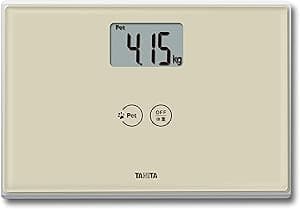
Tracking body weight consistently is critical for insulin dose adjustments. A dedicated pet scale like the Tanita CA-100A Pet Scale makes it easy to record accurate measurements at home.
Summer Heat Warning: Why May-June Is a High-Risk Period
Rising temperatures from May onward add another layer of complexity for diabetic pets. Heat stress, dehydration, and disrupted routines can all cause blood glucose to become unstable.
- Avoid midday walks — schedule outdoor time before 7 a.m. or after 6 p.m.
 QIX Hydro Powder (for dogs and cats, 30 sachets)can support electrolyte intake during hot weather.Amazonで価格をチェック
- Plan ahead for travel — if GW or early summer trips are on the calendar, discuss insulin storage and timing adjustments with your vet before you leave.
3 Actions You Can Take Today
- Track daily water intake for one week — fill the water bowl to the same level each morning and measure what remains the next day. Consistent readings above 100 ml/kg/day warrant a vet visit.
- Weigh your pet monthly — a simple 5-minute routine. A change of 5% or more in either direction is a signal to consult your vet.
- Set phone reminders for every injection — the most common insulin errors are missed doses and accidental double doses. A scheduled alarm takes 30 seconds to set and can prevent a serious emergency.
FAQ
Q1. Can diabetes in pets be cured?
A. In dogs, diabetes is generally a lifelong condition requiring ongoing insulin therapy. In cats, approximately 25-50% of cases can achieve diabetic remission with early dietary changes and treatment. Never stop insulin on your own — always work under veterinary supervision.
Q2. How often do diabetic pets need insulin injections?
A. Most diabetic pets require injections twice daily, coordinated with meals. Dosage is adjusted based on blood glucose curves performed at the clinic every 1-2 weeks at the start of treatment, then monthly once stable.
Q3. How much does diabetes management cost?
A. Initial diagnostics (bloodwork and urinalysis) typically run $100-300 USD. Monthly insulin costs range from $30-100 USD depending on the type. Regular monitoring visits (1-2 per month initially) add $50-150 USD each. Annual costs often exceed $1,500-3,000 USD in total.
Q4. What should I do if my pet has a hypoglycemic episode?
A. If you notice trembling, extreme weakness, or seizure-like symptoms, rub a small amount of honey or corn syrup onto the gums immediately and contact your emergency vet. Do not attempt to feed an unconscious animal. Seek emergency care without delay.
Q5. Can I use regular commercial food for a diabetic pet?
A. Some commercial diets are appropriate, but food selection should always be confirmed with your vet. High-fiber, low-GI formulas are generally preferred for dogs; low-carbohydrate, high-protein options (often wet food) are recommended for cats. Prescription therapeutic diets are frequently the first recommendation.
Keep Every Dose, Weight, and Visit in One Place with PETTAS
Managing a diabetic pet means tracking insulin timing, body weight, water intake, and clinic visits — every single day, without fail. Juggling this across sticky notes, spreadsheets, and memory alone is genuinely hard.
That's exactly the problem I built PETTAS to solve.
- Medication reminders — get notified before every injection so missed doses and double doses become a thing of the past
- Weight tracking graphs — log measurements and visualize trends over weeks and months
- Health timeline — record food intake, water consumption, and behavioral changes in one place
- Family sharing — everyone in the household stays on the same page in real time
- Emergency QR card — store your vet's contact info and medication details for instant access in a crisis
Start building your pet's health record today: PETTAS official site
The hardest part of managing a chronic condition isn't the injections — it's the consistency. Let the app handle the reminders so you can focus on the moments with your pet.
Recommended products5 picks
#ad Contains Amazon affiliate links



Ready to start managing your pet's health with PETTAS?
Medication tracking, health logs, and family sharing in one app. 14-day free trial — all features included.
All features free for 14 days — no card required
Get the latest articles by email
Weekly updates on pet health, medications, and insurance — straight to your inbox.
Share this article
Related Articles

Heartworm Season 2026: 3 Mistakes That Put Pets at Risk
2026-05-24

Cut $500/yr: 5 Ways to Lower Your Pet's Vet Bills (2026)
2026-05-23

5 Ways to Prevent Pet Heatstroke: Hydration Guide (2026)
2026-05-22

Dog & Cat Vomiting: 5 Signs You Must See a Vet Now
2026-05-16

Dog & Cat Diarrhea: 5 Home Remedies + Vet Warning Signs
2026-05-15