

Pet Heatstroke in May: 5 Signs & Step-by-Step First Aid

PETTAS Editorial Team
Up-to-date pet health guidance
Learn the 5 early warning signs of heatstroke in dogs and cats, plus a vet-approved first aid plan. Includes cooling gear picks. Read the full guide now.
Contents(7)
Think May is too early to worry about heatstroke in your pet? Think again. Veterinary reports consistently show that heatstroke cases spike in late spring, precisely because pets' bodies haven't yet adapted to rising temperatures. A dog or cat can reach dangerous body temperatures at just 25 degrees Celsius (77 F), especially in a parked car, a sunny room with no airflow, or during a midday walk.
This guide covers why heatstroke happens, the early signs most owners miss, the correct first aid steps, and practical prevention strategies you can start today.
Why Dogs and Cats Are So Vulnerable to Heatstroke
Unlike humans, dogs have sweat glands only on their paw pads and nose. Their primary cooling mechanism is panting, which works by evaporating moisture from the tongue and airways. Cats rely on the same system, supplemented by self-grooming.
Three key reasons this system fails in warm weather:
- High humidity blocks evaporation - When humidity exceeds 70%, panting becomes far less effective, causing body heat to build rapidly
- Flat-faced (brachycephalic) breeds have narrowed airways - Their panting efficiency is roughly 60-70% of that of other breeds, making them 2 to 3 times more likely to develop heatstroke
- Enclosed spaces heat up dangerously fast - A car parked in 25 C (77 F) outdoor temperatures can reach 35 C (95 F) inside within just 10 minutes
Once body temperature exceeds 41 C (106 F), organ damage begins. Above 43 C (109 F), the situation becomes life-threatening. The treatment window can be as short as 10 to 30 minutes, which is why recognizing early signs matters so much.
5 Early Warning Signs You Might Be Missing
Most owners don't notice heatstroke until a pet is already collapsing. These are the earlier, subtler signals to watch for.
Heatstroke Warning Sign Checklist
Dogs:
- Panting that is heavier than usual, especially at rest
- Drool that is thick, ropy, or excessive
- Gums or tongue appearing bright red or pale/white
- Stumbling, wobbly gait, or general clumsiness
- Slow or absent response to their name or a familiar command
- Vomiting or diarrhea
- Skin that feels unusually hot under the armpits or inner thighs
Cats:
- Open-mouth breathing (cats almost never pant - this is a medical emergency)
- Excessive, frantic grooming (self-cooling attempt)
- Lying flat and unresponsive in an unusual location
- Refusing food and water
- Glassy, unfocused eyes
Key takeaway: If a cat is breathing with its mouth open, that alone warrants an immediate call to your vet. Do not wait.
3 Common First Aid Mistakes (and What to Do Instead)
Mistake 1: Using ice or ice-cold water
Applying ice packs or ice water directly to the skin causes peripheral blood vessels to constrict, which actually traps heat inside the body. In severe cases it can trigger circulatory shock.
Mistake 2: Forcing water into the mouth
A pet with reduced consciousness cannot swallow safely. Forcing liquids risks aspiration pneumonia, adding a second emergency on top of the first.
Mistake 3: Stopping once the pet seems better
Delayed organ damage to the kidneys, liver, and brain can appear hours after the initial episode. A pet that looks recovered may still need veterinary blood work.
The Correct First Aid Protocol (5 Steps)
- Move the pet to a cool location - air-conditioned room or shaded area with a breeze
- Apply room-temperature water (20-25 C / 68-77 F) to the neck, armpits, and inner thighs - avoid cold water
- Fan the wet areas to accelerate evaporative cooling
- Offer small amounts of water only if the pet is fully conscious and can drink on its own
- Call or travel to a veterinary clinic immediately - continue cooling during transport
Stop active cooling once body temperature drops to approximately 39.5 C (103 F) if you are able to monitor it. Even then, a vet visit is essential.
When to go to the vet without delay:
- Panting or open-mouth breathing that does not slow after 10 minutes of cooling
- Vomiting, diarrhea, or seizures
- Loss of consciousness or extreme lethargy
- Reduced appetite or energy the following day (possible delayed organ injury)
Prevention Strategies to Start in May
The best time to build heat-protection habits is before the hottest months arrive. Here are the most effective measures.
Adjust Walk Timing and Surface Awareness
Asphalt can reach 50-60 C (122-140 F) when the air temperature is 30 C (86 F). Dogs, especially small ones, breathe air that is much hotter than what you feel at standing height. A practical test: press the back of your hand against the pavement for 5 seconds. If it is uncomfortable, it is too hot for paw pads.
- Shift walks to before 7 a.m. or after 8 p.m.
- Bring water for every 30-40 minutes of outdoor activity
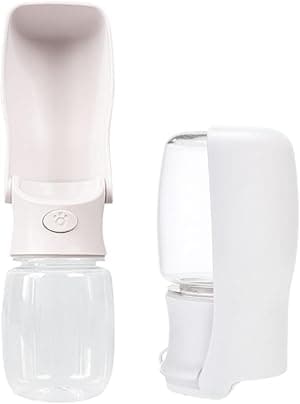
A collapsible water bottle makes this easy:
Optimize the Indoor Environment
- Set air conditioning to 26-28 C (79-82 F)
- Allow pets to move freely between rooms so they can self-regulate
- Place a cooling mat in their favorite rest spot
Cooling mat options:
 Petio Cool Aluminum Gel Mat Mno electricity needed, aluminum and gel constructionAmazonで価格をチェック
 Petio Aluminum & Gel Soft Cool Mat Llarger size suitable for medium to large dogsAmazonで価格をチェック
 Marukan Cool Cat Bowl Jumbo CT-418bowl-shaped aluminum cooling bed cats naturally gravitate towardAmazonで価格をチェック
Keep Hydration Effortless
Cats in particular often drink too little water. A circulating fountain encourages more frequent drinking by mimicking running water, which cats instinctively prefer.
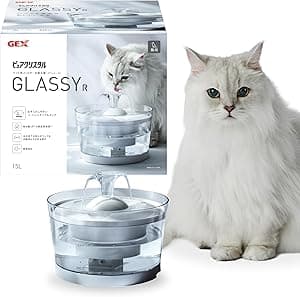 GEX PureCrystal Glassy R Cat Fountain 1.5Lglass material, easy to keep cleanAmazonで価格をチェック
 GEX PureCrystal Cat Fountaincompact size, great for adding a second hydration pointAmazonで価格をチェック
 QIX Hydro Powder Electrolyte Supplement 30 sticksdissolves in water, supports electrolyte balance after exercise or heat exposureAmazonで価格をチェック
Outdoor Cooling Gear for Active Dogs
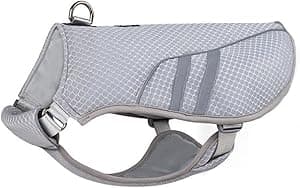 ICOUCHI Dog Cooling Vestsoak in water, wring out, and put on; evaporative cooling works immediatelyAmazonで価格をチェック
 SOHAPI Dog Ice Neck Ring PCM 24C Freezing Mchills the jugular area, helping regulate whole-body temperatureAmazonで価格をチェック
3 Actions You Can Take Today
- Set up cooling equipment now, not in July - Place a cooling mat and fill the water fountain today. Pets who discover these early will actually use them when it matters.
- Do the pavement test every morning this week - Press the back of your hand to the ground for 5 seconds before each walk. Build it into your routine before it becomes a problem.
- Save your emergency vet's after-hours number right now - Heatstroke often strikes on weekends or at night. Having the number ready before an emergency removes one obstacle when every second counts.
FAQ
Q1. At what temperature does heatstroke become dangerous for dogs?
A. A rectal temperature above 40 C (104 F) indicates heatstroke is likely, and organ damage can begin at 41 C (106 F). If you do not have a thermometer, do not delay cooling to measure. Begin first aid immediately and call your vet.
Q2. Can indoor cats get heatstroke even with air conditioning?
A. Yes. Cats that sleep in closets, on high shelves, or near south-facing windows can overheat even when the rest of the home is cool. Ensure air circulation reaches every space your cat uses, and never leave them locked in a room without ventilation.
Q3. Should I still visit the vet if my pet seems to recover quickly?
A. Always. Delayed kidney and liver damage can appear 12-24 hours after the initial episode. Even a pet that looks fine after first aid should be evaluated with blood tests to confirm there is no internal injury.
Q4. Are brachycephalic breeds really at higher risk?
A. Yes. Flat-faced breeds have narrowed nasal passages, elongated soft palates, and sometimes tracheal hypoplasia, all of which reduce the efficiency of panting. Studies suggest they face 2-3 times the heatstroke risk of other breeds at equivalent temperatures. For these pets, consider avoiding outdoor activity entirely when the temperature exceeds 27 C (81 F).
Q5. Is it safe to give pets sports drinks for electrolyte replacement?
A. No. Human sports drinks contain sodium and sugar levels that are harmful to dogs and cats. Use only veterinarian-recommended electrolyte products formulated specifically for pets, or consult your vet before supplementing.
Track Heat Safety and Health Changes with PETTAS
One of the most common things I hear from pet owners after a health scare is: "I wish I had noticed sooner." That is exactly why I built PETTAS - a health management app for dogs and cats that helps you spot changes before they become emergencies.
For heatstroke prevention and follow-up, PETTAS gives you:
- Health timeline - log body temperature, appetite, and energy level daily so you can spot gradual changes over time
- Care reminders - set alerts for hydration checks, cooling gear maintenance, and preventive medication schedules
- Family sharing - everyone in the household sees the same health record in real time
- Emergency QR card - carries your vet's contact info and your pet's medical history, accessible with one scan
Start building your pet's health record today.
Recommended products5 picks
#ad Contains Amazon affiliate links
Ready to start managing your pet's health with PETTAS?
Medication tracking, health logs, and family sharing in one app. 14-day free trial — all features included.
All features free for 14 days — no card required
Get the latest articles by email
Weekly updates on pet health, medications, and insurance — straight to your inbox.
Share this article
Related Articles

5 Reasons Pet Eye Discharge Worsens in Humidity (2026)
2026-06-26

5 Science-Based Habits to Extend Your Pet's Healthy Life (2026)
2026-06-25

5 Signs of Rainy-Season Paw Problems in Dogs & Cats (2026)
2026-06-23

7 Early Signs of Heart Disease in Dogs & Cats (2026)
2026-06-22
3 Must-Know Pet Supplements for Rainy Season (2026)
2026-06-21