

Flea & Tick Prevention for Dogs and Cats: The Complete Spring Guide 2026

PETTAS Editorial Team
Up-to-date pet health guidance
Confused about flea and tick prevention options? This vet-informed guide breaks down spot-ons, collars, sprays, and shampoos — with a clear comparison table to help you choose the right protection for your pet this spring.
Contents(8)
Wondering which flea and tick prevention method is actually worth buying — or whether you even need it if your pet mostly stays indoors? You're not alone.
According to veterinary research, approximately 30–40% of dogs that spend time outdoors experience at least one flea or tick infestation per year. More concerning: ticks in Japan can carry Severe Fever with Thrombocytopenia Syndrome (SFTS), a zoonotic disease (transmissible to humans) with a fatality rate of up to 30%. Flea and tick activity peaks between April and September, making right now the critical window to start prevention.
This guide covers the four main prevention methods — spot-ons, collars, sprays, and shampoos — including how to combine them for maximum protection, and the mistakes most pet owners make.
Why Spring Is the Riskiest Season for Fleas and Ticks
Fleas become active when temperatures rise above 13°C (55°F); ticks start at around 10°C (50°F). By late April, parks, hiking trails, and even neighborhood grassy areas become hotbeds for both parasites.
What fleas can cause:
- Flea allergy dermatitis (intense itching, hair loss)
- Tapeworm infection (Dipylidium caninum)
- Rapid indoor infestation — a single female can lay up to 50 eggs per day
What ticks can cause:
- Babesiosis in dogs (destroys red blood cells)
- Lyme disease (joint pain, neurological symptoms)
- SFTS (life-threatening, affects both pets and humans)
Important: Even fully indoor cats are at risk. Fleas can hitch a ride on human clothing and shoes. Indoor-only pets should still receive preventive treatment.
4 Prevention Methods Compared: Which One Is Right for Your Pet?
1. Spot-On Treatments
Applied to the skin at the back of the neck, spot-ons spread through the skin's oil glands to cover the whole body.
- Duration: ~1 month per dose
- Best for: Dogs and cats needing reliable, vet-recommended protection
- Pros: Highest efficacy; kills both adult fleas and disrupts egg/larval development
- Cons: No bathing for 24–48 hours after application; monthly routine required
Products like Frontline Plus Dog XS (under 5kg) combine fipronil with the insect growth regulator S-methoprene for comprehensive coverage. For dogs 5–10kg, use Frontline Plus Dog S.
2. Prevention Collars
Collars slowly release active ingredients that spread across the coat and skin.
- Duration: 4–8 months depending on the product
- Best for: Busy owners who prefer a set-and-forget approach
- Pros: Long-lasting; no monthly schedule
- Cons: Lower knock-down efficacy than spot-ons; effectiveness drops if frequently wet
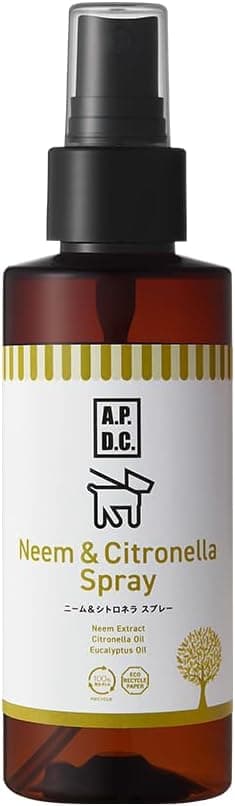
3. Repellent Sprays
Typically made with natural ingredients like neem oil or citronella, these sprays primarily repel rather than kill parasites.
- Duration: A few hours (apply before each walk)
- Best for: Additional protection during outdoor activities; owners preferring natural options
- Pros: Safe for young puppies and pregnant dogs when used as directed
- Cons: Does not kill existing infestations; must be reapplied frequently
4. Flea & Tick Shampoos
Medicated or repellent shampoos used during bath time.
- Duration: Until the next bath
- Best for: Supplementary hygiene routine; mild cases
- Pros: Combines grooming with protection; gentle on skin
- Cons: Too short-acting to serve as standalone prevention

Quick Comparison Table
| Method | Duration | Kill Power | Repel Power | Ease of Use | Annual Cost |
|---|---|---|---|---|---|
| Spot-On | ~1 month | ◎ | ○ | △ Monthly | Medium–High |
| Collar | 4–8 months | ○ | ◎ | ◎ Set & forget | Low–Medium |
| Spray | Hours | △ | ○ | △ Each walk | Low |
| Shampoo | Bath time | △ | △ | ○ | Low |
Recommended Combos:
- Standard protection: Spot-on (monthly) + spray before walks
- Low-maintenance lifestyle: Prevention collar + monthly medicated shampoo
- Outdoor adventurers: Spot-on + spray + post-walk tick check
3 Mistakes Pet Owners Commonly Make
❌ Mistake 1: Waiting until symptoms appear
By the time your pet is scratching, your home likely already has flea eggs and larvae in carpets and bedding. Flea larvae pupate in as little as 2 weeks; a full indoor infestation can take 2–3 months to eliminate. Prevention is exponentially easier than eradication.
❌ Mistake 2: Using dog products on cats
Never use permethrin-containing products on cats. Many spot-on products formulated for dogs contain permethrin, which is highly neurotoxic to cats and can be fatal. In multi-pet households with both dogs and cats, always check every product's label carefully.
❌ Mistake 3: Stopping prevention in winter
Indoor heating creates year-round conditions for flea survival. While outdoor tick activity decreases in winter, fleas can thrive inside all year. Most vets recommend maintaining prevention for at least 8 consecutive months (April through November).
Post-Walk Tick Check: A Checklist
After every outdoor walk, scan your pet's body thoroughly — especially in areas where skin is thin and blood vessels are close to the surface:
- Inside and behind the ears
- Around the eyes and eyelids
- Under the chin and neck
- Armpits and groin area
- Between toes and paw pads
- Around the base of the tail
- Entire body — part the fur to check the skin directly
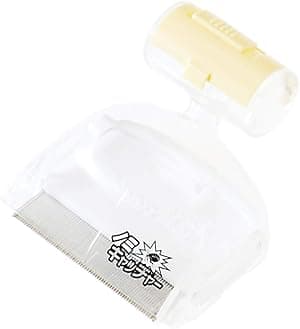
Found a tick? Never crush it or pull it straight out with your fingers. Use a purpose-made tick removal tool like the Doggyman NHS Flea Catcher Stainless Steel, or visit your veterinarian promptly.
When to See a Veterinarian
Always consult your vet before starting prevention if:
- Your pet is under 8 weeks of age
- Your pet is pregnant or nursing
- Your pet has existing health conditions or is on medication
- There's already a heavy infestation with signs of anemia or weight loss
- Your pet develops lethargy, fever, or loss of appetite after a tick bite
3 Actions You Can Take Today
-
Weigh your pet and select the correct product size — Spot-on dosing is weight-based. Use a pet scale (Tanita CA-100A) for an accurate reading at home.
-
Apply the first dose this week and mark the next date on your calendar — Set a recurring monthly reminder. Consistency is the foundation of effective prevention.
-
Identify high-risk zones on your regular walk route — Note any areas with tall grass, leaf litter, or dense vegetation. Steering around these spots significantly reduces tick exposure.
Make Prevention Effortless with PETTAS
The most common reason flea and tick prevention fails? Forgetting. Monthly spot-on schedules are easy to lose track of, especially with multiple pets or a busy household.
PETTAS offers a medication reminder feature that lets you log each treatment and automatically alerts you when the next dose is due. The family-sharing feature prevents accidental double-dosing if multiple household members care for your pet. Combine it with the vaccine schedule tracker to manage all of this spring's preventive care in one place.
If building a reliable health routine sounds appealing, give it a try:
Information in this article reflects veterinary best practices as of April 2026. Always consult your veterinarian for guidance tailored to your individual pet's health status.
Recommended products5 picks
#ad Contains Amazon affiliate links


Ready to start managing your pet's health with PETTAS?
Medication tracking, health logs, and family sharing in one app. 14-day free trial — all features included.
All features free for 14 days — no card required
Get the latest articles by email
Weekly updates on pet health, medications, and insurance — straight to your inbox.
Share this article
Related Articles

5 Warning Signs: Dog & Cat Ear Infections in Rainy Season (2026)
2026-06-04

Rainy Season Pet Care: 5 Must-Have Grooming Picks (2026)
2026-06-02

Heartworm Season 2026: 3 Mistakes That Put Pets at Risk
2026-05-24

Cut $500/yr: 5 Ways to Lower Your Pet's Vet Bills (2026)
2026-05-23

5 Ways to Prevent Pet Heatstroke: Hydration Guide (2026)
2026-05-22