

Top 5 Pet Disaster Prep Kits (2026) - Buyer's Guide

PETTAS Editorial Team
Up-to-date pet health guidance
Not sure what to pack for pet emergencies? Find the best disaster kits, ID tags, carriers and more. Side-by-side comparison included.
Contents(7)
Is Your Pet Ready for a Disaster?
Spring is a good reminder that typhoon and heavy rain season is just around the corner. Many pet owners know they should have an emergency kit ready, but end up putting it off because they are not sure where to start.
The good news is: you do not have to build everything from scratch. This guide breaks down the five most important categories of pet disaster supplies, with a clear comparison table so you can decide what to buy first.
How to Choose Pet Disaster Supplies
Think in Two Layers
First-response bag: Items you grab and go within minutes. Aim to keep this under 5 kg (11 lbs) so you can carry it while holding your pet.
Secondary stockpile: Food, water, and hygiene supplies stored at home or in your car for a 1 to 2 week stay.
Start with the first-response bag. A perfect secondary stockpile means nothing if you cannot get out the door fast.
Match the Gear to Your Pet
| Pet Type | Priority Items |
|---|---|
| Small dog or cat | Carrier bag, escape-proof harness |
| Large or medium dog | Collapsible crate, heavy-duty harness and leash |
| Senior or medicated pet | Medication records, health notebook, mobility aids |
| Any pet | ID tag, emergency contact info, 3-day food supply |
Set vs. Individual Items
Ready-made sets are a great starting point and help prevent gaps in your prep. Individual purchases let you match each item to your pet's exact size and health needs. The best strategy is to buy a base set first, then fill in the gaps with targeted individual items.
Double Up on ID
During disasters, pets escape at much higher rates than usual. An engraved ID tag on every collar and harness is the simplest safety net. Combine this with a registered microchip for the most reliable identification system.
Top 5 Pet Disaster Prep Picks (2026)
1. All-in-One Emergency Set
If you have done zero disaster prep so far, an all-in-one pet emergency set is the single best first step. These sets typically include food, water, sanitation supplies, and a record sheet, packed into a multi-carry bag that works as a backpack, shoulder bag, or handled tote.
Best for: First-time disaster preppers; households with multiple pets.
 MOFF Pet Disaster Set - 10 Items with 4-Way Bag4-way carry bag with 10 essential itemsAmazonで価格をチェック
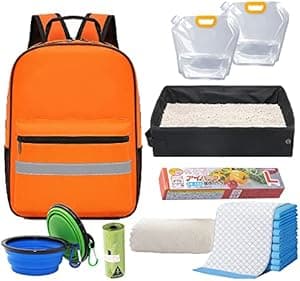 IYOIYA Pet Disaster Set - 35-Piece Full Kitcomprehensive 35-piece kit; doubles as a checklistAmazonで価格をチェック
2. ID Tag and Lost-Pet Prevention
A simple engraved tag with your name and phone number can make the difference between a lost pet and a returned one. Look for tags with information on both sides to maximize the data you can include. A capsule-style tag lets you tuck a paper note inside for extra detail.
Best for: Any pet that goes outside; households where the collar is sometimes removed.
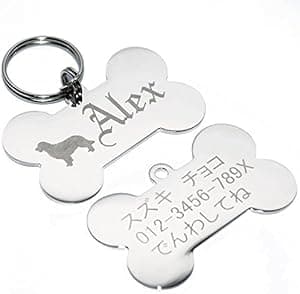 Bone-Shaped Double-Sided Engraved Dog Tag - Largeengraved on both sides for more infoAmazonで価格をチェック
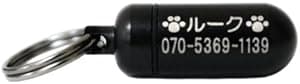 Lost-Pet Capsule Tag with Name and Contactholds a written note insideAmazonで価格をチェック
3. Escape-Proof Harness
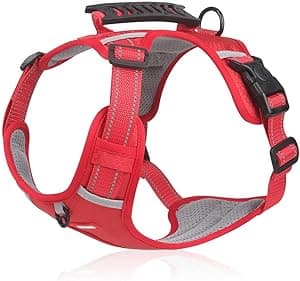
Unfamiliar sounds and surroundings can cause even a calm dog to panic and slip out of a standard collar or harness. A double-lock escape-proof harness is designed to stay secure even when a dog backs up or pulls hard. Get your pet used to wearing it during regular walks so it does not add stress during an actual emergency.
Best for: Dogs with a history of slipping out; any dog that pulls on the leash.
4. Carrier Bag or Collapsible Crate
Many evacuation shelters require pets to be housed in a carrier or crate. Without one, you may be turned away. A dual-door carrier gives you flexibility when loading and unloading your pet. Practice leaving the carrier open at home so your pet treats it as a safe space, not a trap.
Best for: Cats; small dogs; any owner who wants guaranteed access to pet-friendly shelters.
 Richell Camping Carry Fine Double Door Msuits medium dogs and multi-cat householdsAmazonで価格をチェック
 Richell Camping Carry Fine Double Door Scompact size for small dogs and single catsAmazonで価格をチェック
5. Pet Health Notebook
If you have to see a veterinarian you have never visited before during a disaster, having vaccination records, medication names, dosages, and your regular vet's contact information on paper can be life-saving. A dedicated pet health notebook keeps everything in one place that any caregiver can understand at a glance.
Best for: Pets with chronic conditions or ongoing medication; senior pets; multi-pet households.

Side-by-Side Comparison
| Type | Estimated Price | Best For | Priority |
|---|---|---|---|
| All-in-One Emergency Set | USD 25-65 | Starting from zero | High |
| ID Tag / Lost-Pet Prevention | USD 5-18 | Every single pet | High |
| Escape-Proof Harness | USD 18-45 | Dogs prone to slipping out | Medium-High |
| Carrier Bag or Crate | USD 25-70 | Shelter access, safe transport | High |
| Pet Health Notebook | USD 5-15 | Medicated or senior pets | Medium |
Our Top Pick If You Only Do One Thing
Start with an all-in-one emergency set. It removes the guesswork, covers the basics immediately, and gives you a physical checklist to build on. Add an ID tag at the same time since it takes two minutes and costs very little. From there, layer in a carrier and harness at your own pace.
FAQ
Q1. How many days of food should I pack in a pet disaster kit?
A. Japanese government guidelines recommend a minimum of five to seven days. Three days in a grab-and-go bag and two weeks at home is the ideal split. Use a rolling stock system where you rotate food before the expiration date to keep supplies fresh without waste.
Q2. All-in-one kit vs. building my own - which saves more money?
A. For first-time preppers, a kit usually wins on cost and convenience. If you already own some items, buying only what you are missing is more efficient. The smartest approach is a base kit plus targeted individual purchases for your pet's specific needs.
Q3. Soft carrier bag or hard crate - which should I choose?
A. A soft carrier is lighter and easier to carry on foot. A hard crate is more protective and is the type required by some evacuation shelters. Check your local municipality's pet evacuation guidelines before you decide, and if in doubt, the hard crate is safer.
Q4. Do I need both an ID tag and a microchip?
A. Yes to both. An ID tag is readable by anyone who finds your pet and gives instant contact information. A microchip is permanent and cannot be lost with a collar. In Japan, microchip registration became mandatory for dogs and cats sold after June 2022, but all pets benefit from having one registered.
Q5. My pet takes daily medication. What else should go in the bag?
A. Pack at minimum one week of medication, a written note listing the drug name, dose, and timing, your vet's phone number, and a copy of recent health records. Refill prescriptions a few days early each month to maintain a small buffer supply.
Track Health Records Digitally with PETTAS
A physical health notebook is essential, but disasters are chaotic. Having the same information on your phone means you can share it instantly even if your bag is left behind.
PETTAS is a pet health management app built to solve exactly this problem. You can log vaccination dates, medication schedules with reminders, body weight trends, and vet visit notes all in one place.
Concrete ways it helps during and after a disaster:
- Pull up your pet's full health history on your phone in seconds when visiting an unfamiliar vet
- Medication reminders keep dosing on schedule even when your routine is disrupted
- Weight and appetite logs help you spot stress-related health changes early
Pair a physical health notebook with PETTAS for the most reliable two-layer record system.
Recommended products5 picks
#ad Contains Amazon affiliate links
Ready to start managing your pet's health with PETTAS?
Medication tracking, health logs, and family sharing in one app. 14-day free trial — all features included.
All features free for 14 days — no card required
Get the latest articles by email
Weekly updates on pet health, medications, and insurance — straight to your inbox.
Share this article
Related Articles

7 Early Signs of Heart Disease in Dogs & Cats (2026)
2026-06-22

3 Must-Know Pet Supplements for Rainy Season (2026)
2026-06-21

Top 5 Pet Cameras & Auto Feeders for Rainy Season (2026)
2026-06-20

5-Step Home Grooming Guide for Dogs & Cats (2026)
2026-06-19

Fleas in 2-3 Weeks: 5 Rainy Season Pet Pest Tips (2026)
2026-06-17