Pet Emergency QR Cards: Be Prepared for Lost Pets, Disasters, and Medical Crises

PETTAS Editorial Team
Up-to-date pet health guidance
Learn how QR code cards help protect your pet in emergencies. From lost pet recovery to disaster evacuation and medical emergencies, discover how to create and use QR cards effectively.
Contents(9)
Are You Prepared for Pet Emergencies?
A lost pet, a natural disaster, a sudden illness — pet emergencies strike without warning.
Whether your pet's critical information can be quickly accessed in these moments makes all the difference. QR code emergency cards are emerging as a modern solution for pet safety.
What Is a QR Card?
A QR card consolidates your pet's emergency information into a scannable QR code. When someone scans it with their smartphone, they instantly see your pet's name, your contact details, veterinary information, medical conditions, and allergies.
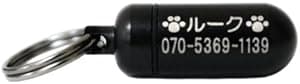
The key advantage over traditional ID tags is capacity. A small metal tag can only fit a name and phone number, while a QR code can contain everything a rescuer needs to know.
Essential Information for Your QR Card
Basic Details
- Pet's name, species, and breed
- Sex, age, and weight
- Coat color and distinguishing markings
- Microchip number
Owner Contact Information
- Owner's name
- Phone numbers (multiple numbers recommended)
- Address (optional)
- Email address
Medical Information
- Veterinary clinic name and phone number
- Current medications
- Allergies (food and drug)
- Medical conditions and surgical history
- Blood type (if known)
Special Notes
- Temperament (friendly with strangers, shy, etc.)
- Dietary restrictions
- Spay/neuter status
When QR Cards Save the Day
Lost Pet Recovery
Anyone who finds your pet can scan the QR code to contact you directly. Unlike phone numbers written on collar tags, QR codes don't fade or wear off, and the linked information can be updated anytime.
Disaster Evacuation
When evacuation shelters ask for pet information, showing a QR card provides everything they need instantly. It's more accurate than verbal communication in a chaotic situation and helps shelter staff manage large numbers of animals.
Owner Medical Emergency
If you're rushed to the hospital, someone needs to care for your pet. A QR card lets family members or neighbors immediately access everything they need to know about your pet's care requirements.
Pet Sitting and Boarding
When leaving your pet with a sitter or boarding facility, a QR card ensures all critical information is shared without anything being overlooked.
Best Practices for QR Cards
Place Them in Multiple Locations
- Attach as a tag to collars and harnesses
- Affix to crates and carriers
- Post near your front door
- Keep one in your wallet or phone case
Keep Information Current
The greatest advantage of QR cards is that the linked information can be updated anytime. Medication changes, address moves, new veterinarian — reflect these changes immediately.
Consider Privacy
Be thoughtful about how much personal information you include. It's common practice to omit your detailed address and limit contact info to phone number and email.
Combining QR Cards with Other ID Methods
QR cards aren't foolproof. If the collar comes off, the code can't be scanned. And not everyone knows how to scan QR codes.
The most effective approach combines multiple methods:
- Microchip: Permanent, cannot fall off, provides definitive identification
- ID tag: Anyone can read basic information immediately
- QR card: Provides comprehensive digital information
This three-layer approach maximizes the chance of your pet being identified and returned.
Editor's Pick
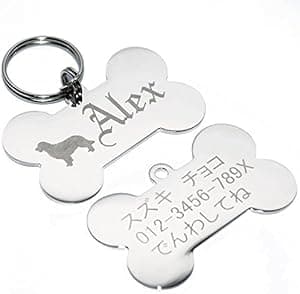 Bone-Shaped Double-Sided Engraved Dog ID Tag LDurable ID tag with contact info on both sidesAmazonで価格をチェック
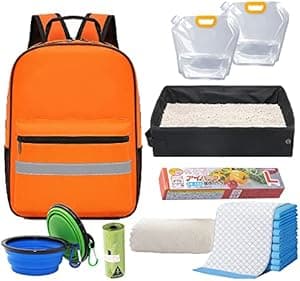
 MOFF Pet Emergency Kit 10-Piece Set with 4-Way BagEssential disaster preparedness kit for petsAmazonで価格をチェック
Related Articles
If you found this helpful, you may also want to read:
- Complete Pet Disaster Preparedness Guide | Emergency Evacuation Checklist
- Foods Toxic to Dogs and Cats | What to Do If Your Pet Eats Something Dangerous
- Senior Pet Care at Home: A Complete Guide to Improving Quality of Life for Aging Dogs and Cats
Takeaway
Emergency QR cards require minimal effort to create but provide enormous value when you need them most.
Compile your pet's information, update it regularly, and distribute cards across multiple locations — this simple habit goes a long way toward keeping your beloved pet safe.
The best outcome is never needing to use your emergency card, but the peace of mind that comes from being prepared is invaluable.
Recommended products4 picks
#ad Contains Amazon affiliate links
Emergency QR card
Create an Emergency QR Card for peace of mind
From lost pets to disasters, a single QR on the collar reveals emergency contacts, vet info, and medications. Print and deploy today.
All features free for 14 days — no card required
Get the latest articles by email
Weekly updates on pet health, medications, and insurance — straight to your inbox.
Share this article