

Benefits of Tracking Your Pet's Weight: A Health Management Essential

PETTAS Editorial Team
Up-to-date pet health guidance
Discover why regular weight tracking is the simplest yet most effective health management tool for pets. Learn how to interpret weight changes, spot warning signs, and use tracking data for better vet visits.
Contents(13)
Weight Tracking: The Simplest and Most Effective Health Tool
Among all the ways to monitor your pet's health, regular weight tracking stands out as the easiest to maintain and one of the most effective for catching problems early.
Weight changes act as a mirror reflecting what's happening inside your pet's body. If your pet is losing weight without changes in diet, it could signal an underlying illness. A slow but steady increase might mean obesity is creeping in. These subtle shifts are nearly impossible to notice by eye alone — but a scale tells the truth.
Why Weight Changes Matter
Unexpected Weight Loss
A weight loss of more than 10% over a few weeks warrants veterinary attention. Common causes include:
- Hyperthyroidism (especially common in cats over 10 years)
- Diabetes mellitus
- Kidney disease
- Dental problems making eating painful
- Intestinal parasites
Gradual Weight Gain
Obesity is the most common nutritional disorder in pets. Risks include:
- Joint problems and arthritis (excess strain on joints)
- Heart disease (increased workload on the heart)
- Diabetes (especially in cats)
- Shortened lifespan (studies show obese dogs live 2 years less on average)
Sudden Changes in Either Direction
Rapid changes over days rather than weeks can indicate emergencies such as fluid retention (sudden gain) or severe dehydration (sudden loss).
How Often Should You Weigh Your Pet?
| Pet Type | Recommended Frequency |
|---|---|
| Puppies/Kittens | Weekly until 6 months, then biweekly |
| Healthy Adults | Every 2-4 weeks |
| Senior Pets (7+ years) | Every 1-2 weeks |
| Pets on a Diet | Weekly |
| Pets with Chronic Conditions | As directed by your vet |
Consistency matters more than frequency. Pick a day of the week and always weigh at the same time (before morning feeding is ideal).
How to Weigh Your Pet at Home
For Small Pets (Under 10 kg)
- Use a kitchen or baby scale
- Place your pet on the scale (a basket or box can help them stay still)
- Record the weight immediately
For Larger Pets
- Step on a bathroom scale alone and note your weight
- Pick up your pet and step on again
- Subtract your weight from the combined weight
Tips for Accurate Measurements
- Always use the same scale
- Weigh at the same time of day
- Remove collars and harnesses
- Wait until your pet is calm and still
Understanding Weight Trends
Individual readings matter less than the trend over time. Here's how to interpret what you see:
| Trend | What It Means | Action |
|---|---|---|
| Stable (±2%) | Healthy maintenance | Continue current routine |
| Gradual increase (+5% over months) | Possible overfeeding or reduced activity | Adjust diet/exercise |
| Gradual decrease (-5% over months) | Possible underlying condition | Schedule vet check |
| Sudden change (>5% in 1-2 weeks) | Potential medical emergency | See vet immediately |
With PETTAS weight tracking, these trends are automatically graphed so you can spot patterns at a glance.
Healthy Weight Ranges by Breed
Dogs (Common Breeds)
- Chihuahua: 1.5-3 kg
- Toy Poodle: 2-4 kg
- Shiba Inu: 8-11 kg
- Labrador Retriever: 25-36 kg
- Golden Retriever: 27-36 kg
Cats (General)
- Domestic Shorthair: 3.5-5.5 kg
- American Shorthair: 3-6 kg
- Scottish Fold: 3-5 kg
- Maine Coon: 4-8 kg (larger breed)
Important: These are general ranges. Your vet can tell you the ideal weight for your specific pet based on their frame, age, and body condition score (BCS).
Body Condition Score (BCS): Beyond the Number
Weight alone doesn't tell the whole story. Body Condition Score is a visual and hands-on assessment:
How to check (simplified):
- Ribs: You should be able to feel ribs with light pressure. If you can see them, your pet may be underweight. If you can't feel them at all, they may be overweight.
- Waist: Looking from above, there should be a visible waist behind the ribs.
- Tummy: From the side, the belly should tuck up slightly rather than hanging down.
Record both weight and BCS observations together for the most complete picture.
Making Weight Tracking a Habit
The biggest challenge isn't weighing your pet — it's doing it consistently. Here are tips to make it stick:
- Link it to an existing routine (e.g., every Sunday morning before breakfast)
- Keep the scale accessible (don't store it away where it's inconvenient)
- Use an app with reminders — PETTAS sends notifications to remind you when it's time to weigh
- Involve the whole family so anyone can record a measurement
- Celebrate consistency rather than specific numbers
When to Share Weight Data with Your Vet
Bring your weight tracking history to every vet visit. It's especially important when:
- You notice a trend change (gaining or losing)
- Your pet is on a weight management plan
- Your pet has a chronic condition being monitored
- Annual check-ups (provides valuable baseline data)
Digital records from PETTAS can be shown directly on your phone, making it easy to share precise data with your veterinarian.
FAQ
How accurate does my home scale need to be?
For small pets, a scale accurate to 10g is ideal. For larger dogs, accuracy to 100g is sufficient. The key is using the same scale every time so you're tracking relative changes consistently.
My pet won't stay still on the scale. Any advice?
For cats, try placing them in a carrier or box on the scale (weigh the container first and subtract). For dogs, a non-slip mat on the scale helps. You can also train them to sit on the scale using treats as positive reinforcement.
Is it normal for weight to fluctuate day to day?
Yes, daily fluctuations of 1-3% are normal and can be caused by hydration levels, meal timing, and bowel movements. This is why tracking weekly averages and long-term trends matters more than daily readings.
My pet's weight is in the healthy range but they look overweight. Why?
Weight ranges are breed averages and don't account for individual variation. A pet can be at a "normal" weight but have excess fat and insufficient muscle. This is where Body Condition Score assessment is invaluable — discuss it with your vet.
How quickly should a pet on a diet lose weight?
Safe weight loss is typically 1-2% of body weight per week. Faster loss can be dangerous, especially for cats who risk hepatic lipidosis (fatty liver disease) with rapid weight loss. Always follow your vet's guidance.
Editor's Pick
Related Articles
- Cat Weight Management and Healthy Weight Check
- Senior Dog Weekly Health Checklist
- Why Pet Health Records Matter
Start Tracking Today with PETTAS
The best time to start tracking your pet's weight was when you first brought them home. The second best time is today. With PETTAS, you can log weight measurements in seconds, visualize trends over time, and share data with your vet effortlessly. The whole family can contribute to keeping your pet's health records complete and up to date.
Try PETTAS free for 14 days and make weight tracking a natural part of your pet care routine.
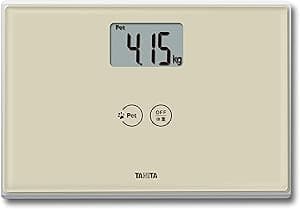
Recommended products5 picks
#ad Contains Amazon affiliate links




Ready to start managing your pet's health with PETTAS?
Medication tracking, health logs, and family sharing in one app. 14-day free trial — all features included.
All features free for 14 days — no card required
Get the latest articles by email
Weekly updates on pet health, medications, and insurance — straight to your inbox.
Share this article
Related Articles

Heartworm Season 2026: 3 Mistakes That Put Pets at Risk
2026-05-24

Cut $500/yr: 5 Ways to Lower Your Pet's Vet Bills (2026)
2026-05-23

5 Ways to Prevent Pet Heatstroke: Hydration Guide (2026)
2026-05-22

5 Early Signs of Pet Diabetes + Diet Tips (2026)
2026-05-19

Dog & Cat Vomiting: 5 Signs You Must See a Vet Now
2026-05-16