

Spring Pet Care Guide: Managing Pollen Allergies, Shedding Season & Heartworm Prevention

PETTAS Editorial Team
Up-to-date pet health guidance
Spring brings three major health challenges for pets: pollen allergies, heavy shedding, and heartworm season. Learn vet-backed tips to protect your dog or cat this season with our complete spring care guide.
Contents(8)
Is your pet suddenly scratching more than usual, or leaving clumps of fur all over the house? You're not alone — and it's not necessarily something to panic about.
Spring (March through May) is one of the most health-intensive seasons for both dogs and cats. Three major challenges hit at once: pollen allergies, shedding season, and the start of heartworm prevention season. According to veterinary surveys, nearly 1 in 5 pet owners are unaware of the correct timing to begin heartworm prevention — a potentially life-threatening oversight. This guide covers everything you need to know to keep your pet healthy and comfortable this spring.
Spring Pet Health at a Glance
| Challenge | Primarily Affects | Peak Timing | Priority |
|---|---|---|---|
| Pollen Allergies | Dogs (and some cats) | March–April | High |
| Shedding Season | Dogs & Cats (especially long-haired) | March–May | High |
| Heartworm Prevention | Dogs (cats at lower risk) | April–November | Critical |
These issues are interconnected — heavy shedding weakens the skin barrier, which can worsen allergic reactions to pollen. Addressing them together is the most efficient approach.
Managing Pollen Allergies in Dogs and Cats
Many owners don't realize that dogs and cats can develop seasonal pollen allergies, just like humans. Cedar, cypress, and grass pollens are common culprits in spring.
Common Symptoms to Watch For
In dogs:
- Persistent scratching of the face, paws, groin, or ears
- Watery eyes and nasal discharge
- Reddened skin, especially between the toes or on the belly
- Frequent head shaking (sign of ear irritation)
In cats:
- Squinting or tearing eyes
- Sneezing more than 5 times per day
- Excessive grooming of the face and neck
A Common Mistake to Avoid
❌ "I wipe my dog's paws after walks, so we're covered."
Pollen clings to your pet's entire coat — not just the paws. After every walk, wipe down the whole body with a damp cloth or pet-safe wet wipe. On high-pollen days, shorten walks and avoid early morning outings when pollen counts peak.
Never give human antihistamines without veterinary guidance. Many human allergy medications contain ingredients that are toxic to dogs and cats.
When to See a Vet
- Scratching has caused open wounds or secondary infection
- Symptoms persist for more than 2 weeks
- Your pet's appetite or energy is noticeably affected
Pollen Allergy Care Checklist
- Wipe down full body after every outdoor outing
- Keep windows closed on high pollen days
- Shampoo pet 1–2 times per week during peak pollen season
- Wash bedding and blankets weekly
- Consult your vet if symptoms continue beyond 2 weeks
Shedding Season: How to Protect Your Pet's Skin
Dogs and cats shed twice a year, but the spring shed is typically heavier and can lead to matting, hairballs, and skin inflammation if left unmanaged.
Brushing Routine by Coat Type
- Short-haired dogs/cats: Brush 3–4 times per week with a rubber curry brush or slicker brush (5–10 minutes per session)
- Medium/long-haired breeds: Daily brushing is strongly recommended during March–May
- Double-coated dogs (Huskies, Golden Retrievers, etc.): Use an undercoat rake; professional grooming every 4–6 weeks is advisable during shedding season
Signs You Shouldn't Ignore
- Patchy or asymmetric hair loss → may indicate ringworm, hormonal issues, or stress-related alopecia (requires veterinary evaluation)
- Dandruff or dull coat → possible omega-3 fatty acid deficiency; ask your vet about supplementation
- Cats vomiting hairballs more than twice per week → increased risk of intestinal blockage; consider hairball-control food or supplements
Pro Tip: Shampoo Matters
Use a gentle, moisturizing shampoo formulated for pets during shedding season. Human shampoos alter skin pH and should never be used. Bathe your pet every 2–3 weeks during peak shedding, and always dry thoroughly — leaving the coat damp increases the risk of bacterial skin infections (pyoderma).
Heartworm Prevention: Why April Is the Deadline
Heartworm disease is transmitted by mosquitoes and can be fatal if left untreated, damaging the heart, lungs, and blood vessels over time. Prevention is far safer, cheaper, and simpler than treatment.
Key Rules for Heartworm Prevention
- Start date: Within 30 days of the first mosquito of the season in your area (typically April in most temperate regions)
- End date: 30 days after the last mosquito of the season (typically December)
- Frequency: Once monthly (most oral/chewable and topical preventives)
- Dosing: Always based on your pet's current body weight — weigh your dog before each annual prescription refill
Critical Mistakes to Avoid
❌ "I have leftover pills from last year, so I'll just use those."
Your dog's weight may have changed, making last year's dosage incorrect. More importantly, a heartworm antigen test must be performed before starting (or restarting) preventive medication. Giving prevention medication to a dog already infected can trigger a severe — potentially fatal — allergic reaction.
❌ "My dog stays indoors, so no mosquitoes."
Mosquitoes regularly enter homes. Indoor-only dogs still need heartworm prevention.
Heartworm Prevention Checklist
- Schedule a heartworm test at your vet for April
- Weigh your dog to confirm correct dosage
- Mark monthly dosing dates on your calendar (or set a phone reminder)
- Ask your vet about heartworm risk for your cat
- Ensure all household members know the dosing schedule to prevent double-dosing
Recommended Products for Spring Pet Care
These tools make spring care easier and more effective:
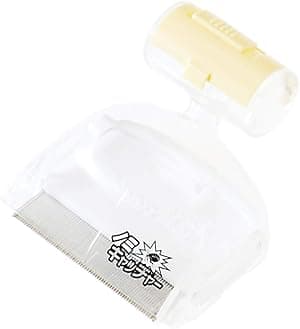 Doggyman NHS Flea Catcher Stainless SteelFine-tooth comb for grooming and flea removalAmazonで価格をチェック
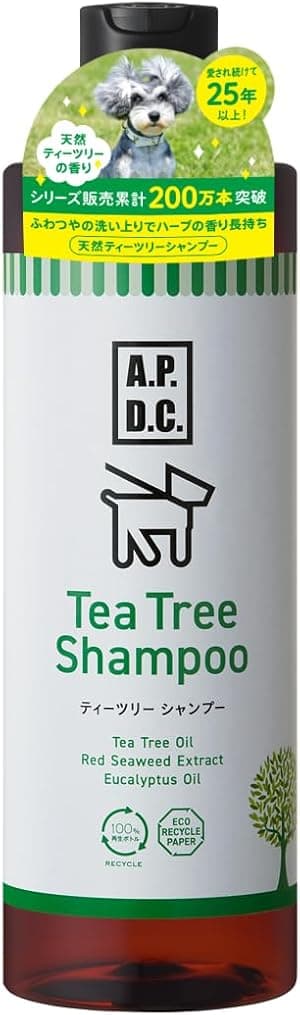 A.P.D.C. Tea Tree Shampoo 500mLProfessional-grade natural ingredient dog shampooAmazonで価格をチェック
- Doggyman NHS Flea Catcher Stainless SteelFine-tooth comb for grooming and flea removalAmazonで価格をチェック
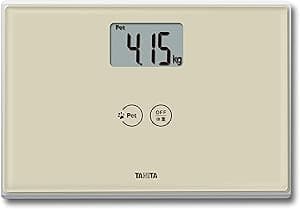 Tanita CA-100A Pet Scale IvoryPet scale for small to medium animalsAmazonで価格をチェック
- A.P.D.C. Tea Tree Shampoo 500mLGentle natural-ingredient grooming shampooAmazonで価格をチェック
Simplify Spring Pet Health Management with PETTAS
With three concurrent health priorities, spring can feel overwhelming. The PETTAS app helps you stay organized without the mental load:
- Medication Reminders: Set monthly heartworm prevention reminders so you never miss a dose. Combined with the Family Sharing feature, everyone in the household stays in sync — no accidental double-dosing.
- Weight Log & Graph: Track your pet's weight monthly to ensure the correct heartworm medication dosage, and catch unexpected weight changes early.
- Health Record Timeline: Log when scratching started, how much fur is being shed, and skin condition over time. This data is invaluable when describing symptoms to your vet.
- Vaccine Schedule Manager: Spring is also when many annual vaccines come due. Check upcoming appointments while you're scheduling your heartworm test.
Related Articles
If you found this helpful, you may also want to read:
- Spring Pet Care Guide: Rabies Vaccination & Flea/Tick Prevention for Dogs in Japan
- Best Heartworm Prevention for Dogs in 2026: Top 5 Picks & Dosing Schedule
- The Complete Dog and Cat Vaccine Schedule Guide
3 Actions You Can Take Starting Today
- Weigh your pet right now. Body weight is the foundation for correct heartworm prevention dosing and nutritional planning during shedding season. Record the number somewhere accessible.
- Call your vet this week to book a spring health check. Include a heartworm antigen test on the agenda. Aim to have preventive medication in hand before the end of April.
- Do one full-body brushing session today. Note the amount of shedding and the condition of the skin underneath. Take a photo if you see any redness, flaking, or asymmetric hair loss — it'll be useful at your vet appointment.
Spring is a season of renewal — for you and your pet. By addressing pollen allergies, shedding, and heartworm prevention together and early, you can prevent the majority of seasonal health issues before they start. Your pet relies on you to notice what they can't tell you in words. A little proactive care this month goes a long way toward a healthy, happy year ahead.
Recommended products3 picks
#ad Contains Amazon affiliate links
Seasonal reminders
Automate seasonal care reminders
Heatstroke, heartworm, parasites, pollen — PETTAS calendars the risks and pings you before each season hits.
All features free for 14 days — no card required
Get the latest articles by email
Weekly updates on pet health, medications, and insurance — straight to your inbox.
Share this article