

Dog & Cat Diarrhea: 5 Home Remedies + Vet Warning Signs

PETTAS Editorial Team
Up-to-date pet health guidance
Learn when to treat pet diarrhea at home and when to call the vet. Includes a 5-step care guide, symptom checklist, and red-flag signs. Read the full guide now.
Contents(8)
Is your dog or cat having loose stools — and you're not sure whether to head to the vet or just wait it out? You're not alone.
Digestive issues are consistently among the top three reasons pet owners visit the vet. Studies suggest that around 60% of dogs experience at least one episode of gastrointestinal upset per year. The tricky part is knowing when it's safe to manage at home and when it's a genuine emergency.
In this guide, we'll walk through the most common causes of diarrhea in dogs and cats, five home-care steps for mild cases, and the warning signs that mean you need to call your vet right away.
Why Diarrhea Is More Common in Spring and After Travel
If your pet's stomach seems off after a holiday weekend or a long car ride, there's a reason for that. This time of year brings a perfect storm of digestive triggers:
The 6 most common causes of dog and cat diarrhea:
- Sudden diet changes or overfeeding — Switching food abruptly or giving too many treats is one of the leading causes
- Stress — Travel, new environments, and changes in routine disrupt the gut-brain axis
- Infections — Parvovirus, coronavirus, Salmonella, Campylobacter, and other bacterial or viral culprits
- Parasites — Coccidia, Giardia, and roundworms are more active in spring and early summer
- Ingestion of foreign material or toxins — Grass, insects, garbage, or plants picked up outdoors
- Underlying disease — Inflammatory bowel disease (IBD), exocrine pancreatic insufficiency, or thyroid disorders
Easy-to-miss sign: If your pet ate grass during an outdoor trip, consider whether herbicides or pesticides may have been applied to that area. What looks like simple indigestion could be a low-level toxin exposure.
3 Mistakes Pet Owners Commonly Make
Mistake 1: Giving human probiotics without guidance
Human probiotic supplements are formulated for human gut microbiomes. While some may be harmless, dosing is unclear for pets. Stick to veterinarian-formulated products designed specifically for dogs and cats.
Mistake 2: Ignoring diarrhea because the pet "seems fine"
A single soft stool may not need a vet visit. But two to three days of diarrhea — even in a pet that seems active — can lead to dehydration and electrolyte imbalances. Puppies, kittens, and seniors (7+ years) dehydrate especially fast.
Mistake 3: Fasting for too long
A 12 to 24-hour fast can help rest an irritated gut in adult pets. But fasting longer than 24 hours — particularly in toy breeds weighing under 4.4 lbs (2 kg) — risks hypoglycemia (dangerously low blood sugar).
5 Home Care Steps for Mild Diarrhea
Before trying these at home, use this checklist to confirm the situation is not an emergency:
Emergency checklist — go to the vet immediately if any apply:
- Blood or black tarry stool
- Vomiting 3 or more times in one day
- Lethargy — unable to stand or walk normally
- Pale or bluish gums (sign of shock or anemia)
- Bloated or painful abdomen
- Puppy or kitten with diarrhea lasting over 12 hours
- Possible ingestion of a foreign object (toy parts, string, bone)
- Noticeable weight loss in a short period
If none of the above apply, here are five steps to try at home:
Step 1: Fast for 12 to 24 hours (keep water available)
Always provide fresh water. Dehydration is the primary danger. Never restrict water, even during a food fast.
Step 2: Offer a bland diet after fasting
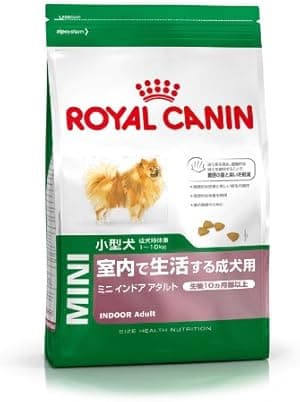
Start with 50 to 70% of the normal portion. Boiled chicken breast with plain white rice or pumpkin puree is a classic go-to. Transition back to regular food gradually over 5 to 7 days.
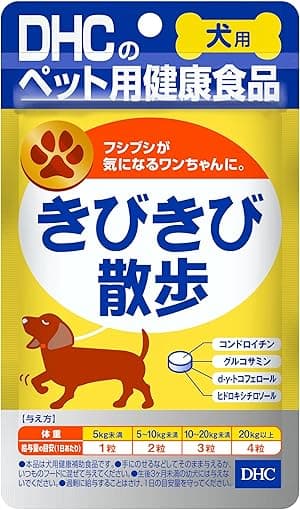
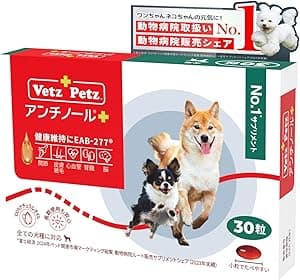
Step 3: Use a pet-specific probiotic or gut supplement
Veterinary-formulated supplements can help restore the balance of gut bacteria. Always follow the product's dosing guidelines rather than estimating.
Step 4: Encourage water intake
If your pet won't drink, try adding a small amount of unsalted, onion-free chicken broth to the water. Fountain-style water bowls often encourage cats and small dogs to drink more.
Step 5: Track weight and stool consistency daily
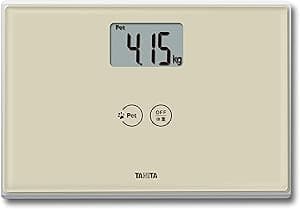
A 5% or greater body weight drop over 2 to 3 days is a signal to see a vet. A digital pet scale makes it easy to catch this early.
Reading the Stool: A Quick Reference Guide
The color, consistency, and frequency of your pet's stool can reveal a lot about what's going on. This information is also extremely useful to share with your vet.
| Stool Appearance | Likely Cause | Urgency |
|---|---|---|
| Yellow-brown soft stool | Diet change, mild stress | Low (monitor at home) |
| Watery, projectile diarrhea | Infection, virus, toxin | Medium to High |
| Bright red blood | Colitis, parasites, intussusception | High (vet within 24 hrs) |
| Black tarry stool | Upper GI bleeding | Very High (immediate) |
| White or gray stool | Pancreatic or bile duct issues | Medium to High |
| Excessive mucus | Large intestine inflammation, stress | Medium |
When to Call the Vet: Key Thresholds
Schedule a vet visit within 24 hours if:
- Diarrhea has persisted for more than 48 hours (or 12 hours in puppies and kittens)
- Your pet has lost weight — even 0.2 lbs (100 g) matters in small breeds
- There is reduced appetite or lethargy alongside the diarrhea
- Vaccines are overdue — unvaccinated pets are at high risk for viral gastroenteritis
- The pet recently traveled — environmental exposure to new bacteria and parasites is common
3 Actions You Can Take Starting Today
-
Take a photo of every abnormal stool — Vet consultations go much faster when you have visual evidence of changes in color and consistency over time.
-
Weigh your pet weekly, under the same conditions — Morning, before meals, and after bathroom time. Even a small consistent decline over two weeks is worth discussing with your vet.
-
Always transition foods gradually — When switching brands or formulas, use an 80/20 blend (old/new) to start, shifting by 20% every 2 days over a 7 to 10-day period.
FAQ
Q1. My dog had diarrhea once but seems fine. Should I go to the vet?
A. Not necessarily. A single episode of soft stool without blood, vomiting, or lethargy can usually be managed at home with a short fast and bland diet. Monitor closely for 24 to 48 hours and contact your vet if symptoms continue or worsen.
Q2. My cat has had soft stools for 3 days. What should I do?
A. Three days is the general threshold for seeking veterinary advice. Even if your cat seems alert, prolonged soft stools can deplete fluids and gut flora. A weight loss of even 100 g (0.2 lbs) in a small cat warrants a check-up.
Q3. Is it safe to give my dog or cat human anti-diarrheal medicine?
A. No. In particular, loperamide (found in products like Imodium) can cause life-threatening reactions in certain dog breeds, especially Collies and related herding breeds. Always use veterinarian-approved medications for pets.
Q4. How long should I fast a pet with diarrhea?
A. For healthy adult dogs and cats, 12 to 24 hours is the standard guideline. Do not fast toy breeds under 4.4 lbs (2 kg) or pets under 1 year of age for more than 6 hours due to the risk of hypoglycemia.
Q5. My pet had diarrhea right after travel. Is this normal?
A. Yes, travel-related digestive upset is very common and usually resolves within 2 to 3 days of returning home. The combination of motion stress, schedule disruption, and new food exposures can all affect gut function. See a vet if blood appears in the stool or symptoms exceed 48 hours.
Track Your Pet's Health with PETTAS
One of the most practical things you can do when your pet has digestive issues is to keep a clear log — weight, stool quality, appetite, and medications given. That's exactly why I built PETTAS.
With PETTAS, you can:
- Log daily weight on a visual graph — spot a 5% drop before it becomes a crisis
- Record stool notes on a health timeline — show your vet exactly what changed and when
- Share updates with family — no more "I thought you were watching the poop situation"
- Set supplement reminders — never miss a probiotic or medication dose
Being able to tell your vet "soft stools started 3 days ago, weight dropped 150 g since Monday" is far more useful than "it's been a few days, I think?"
Start tracking today: PETTAS official site
Disclaimer: This article is intended for general informational purposes only and does not constitute veterinary medical advice. Always consult a licensed veterinarian for guidance specific to your pet's condition.
Recommended products5 picks
#ad Contains Amazon affiliate links

Ready to start managing your pet's health with PETTAS?
Medication tracking, health logs, and family sharing in one app. 14-day free trial — all features included.
All features free for 14 days — no card required
Get the latest articles by email
Weekly updates on pet health, medications, and insurance — straight to your inbox.
Share this article
Related Articles

5 Steps to Heal From Pet Loss (Rainy Season 2026)
2026-06-28
3x More Ear Infections in Rainy Season: Vet Guide (2026)
2026-06-29

5 Vet-Approved Ways to Fight Pet Odor in Rainy Season (2026)
2026-06-27

5 Reasons Pet Eye Discharge Worsens in Humidity (2026)
2026-06-26

5 Science-Based Habits to Extend Your Pet's Healthy Life (2026)
2026-06-25