

From $6/Mo: 7 Best Heartworm Preventives for Dogs (2026)

PETTAS Editorial Team
Up-to-date pet health guidance
Heartworm treatment costs $1,000+, but prevention starts at $6/mo. Compare 7 vet-picked preventives (oral vs topical vs injectable). Cost chart inside.
Contents(11)
Every spring, the same question lands in veterinary inboxes across the country: "Which heartworm preventive should I use for my dog?"
With several product types on the market — oral tablets, flavored chewables, topical spot-ons, and even annual injections — the options can feel overwhelming. This guide breaks down the key differences, helps you match a product type to your dog's needs, and covers how to set up a dosing schedule that ensures you never miss a month.
Disclaimer: This article is for general informational purposes only and does not constitute veterinary medical advice. Always consult your veterinarian before starting, changing, or stopping any preventive medication for your pet.
Quick Picks
| Category | Type | Price range | Highlights |
|---|---|---|---|
| Best Overall | Flavored chewable | $10–$18/mo | High palatability, broad parasite coverage, easy monthly dosing |
| Best Budget | Oral tablet | $6–$10/mo | Affordable, proven safety record, widely available by prescription |
| Best Premium | Annual injection | $100–$200/yr | Vet-administered once yearly, eliminates monthly scheduling worries |
| Best for Small Pets | Flavored chewable (toy/small breed formulation) | $8–$14/mo | Weight-specific dosing, low-volume chew, gentle on small stomachs |
| Best for Seniors | Spot-on topical | $12–$20/mo | No oral administration needed, ideal for dogs with dental issues or finicky appetites |
Why Heartworm Prevention Matters
Heartworm disease (Dirofilaria immitis) is transmitted by infected mosquitoes and can be fatal if left untreated. Adult worms — which can reach 12 inches in length — colonize the heart and pulmonary arteries, leading to heart failure, lung disease, and organ damage over months or years.
Treatment for an established heartworm infection is significantly more complicated, expensive, and risky than prevention. The arithmetic is simple: a monthly preventive costs a fraction of what treatment requires — and prevention works close to 100% when administered correctly.
How Infection Happens
- A mosquito feeds on a heartworm-positive dog and picks up immature larvae (microfilariae)
- The larvae develop into infective stage (L3) inside the mosquito over 10–14 days
- The infected mosquito bites your dog, depositing L3 larvae under the skin
- Over the next several months, larvae migrate to the heart and pulmonary arteries and mature into adults
- Adult worms reproduce, releasing microfilariae back into the bloodstream
Monthly preventives work by eliminating the larvae deposited within the past 30 days — before they can mature into adults. This is why consistency is critical.
Types of Heartworm Preventives: A Comparison
| Type | How It Works | Pros | Considerations |
|---|---|---|---|
| Oral Tablet | Swallowed with or without food | Affordable, well-established safety record | Some dogs resist pill taking |
| Flavored Chewable | Eaten like a treat | High palatability, easy to administer | Slightly higher cost; some contain additional parasite coverage |
| Spot-On (Topical) | Applied to skin at the back of the neck | No oral administration needed | Avoid bathing 24–48 hours post-application |
| Annual Injection | Given by a veterinarian once per year | Eliminates monthly scheduling entirely | Requires a vet visit; not reversible if reaction occurs |
How to Choose the Right Type for Your Dog
Prioritize consistency. The best preventive is the one you'll administer reliably every month. If your dog is food-motivated and treats medication like a snack, a chewable is ideal. If pill-taking is a battle, spot-on or injectable options may work better for your household.
Consider combination coverage. Many products now combine heartworm prevention with flea, tick, roundworm, and hookworm protection. For dogs that spend significant time outdoors, a combination product can simplify your overall parasite management.
Account for breed sensitivity. Collies, Shelties, Australian Shepherds, and other herding breeds may carry the MDR1 (ABCB1) gene mutation, which affects how certain drugs are metabolized. Ivermectin-based products may pose a risk for dogs with this mutation. Always inform your veterinarian of your dog's breed before prescribing.
Top 5 Heartworm Preventives for Dogs in 2026
These five product categories represent the most commonly prescribed and purchased heartworm preventives. All require a veterinary prescription. A heartworm antigen test (blood test) is required before starting or restarting prevention.
1. Ivermectin-Based Monthly Tablet
One of the most established heartworm preventives available, ivermectin-based monthly tablets have decades of safety data behind them. They reliably eliminate L3 and L4 larvae deposited over the previous 30 days.
2. Milbemycin Oxime Chewable
Milbemycin oxime is widely used in herding breeds where ivermectin sensitivity is a concern. Many chewable formulations also protect against roundworms, hookworms, and whipworms in a single dose.
3. Combination Chewable (Heartworm + Flea & Tick)
For households managing multiple parasite prevention products, a combination chewable that covers heartworm, fleas, ticks, and intestinal parasites in one monthly dose dramatically simplifies the schedule.
4. Spot-On Topical Preventive
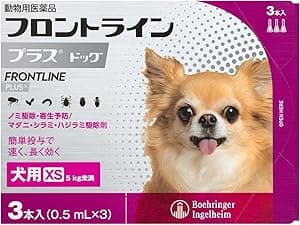
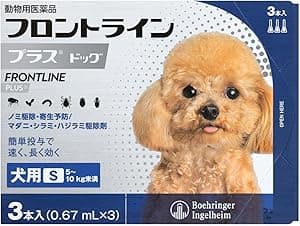
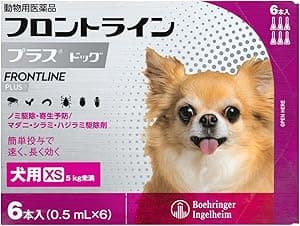
Applied directly to the skin at the nape of the neck, spot-on products are a practical alternative for dogs that refuse oral medications. Most topical heartworm preventives also provide flea and tick protection.
5. Annual Injectable Preventive
A single veterinarian-administered injection provides 6 or 12 months of heartworm protection, depending on the formulation. This eliminates the risk of missed monthly doses entirely.
Heartworm Dosing Schedule: When to Start, When to Stop
General Guidelines for 2026
Heartworm preventives should be started within 30 days of the first mosquito activity in your region and continued until 30 days after the last mosquito of the season.
| Region | Recommended Start | Recommended End |
|---|---|---|
| Southern US / Warm Climates | Year-round | Year-round |
| Mid-Atlantic / Midwest | April | December |
| Pacific Northwest | April–May | November |
| Northern States / Canada | May–June | October–November |
The American Heartworm Society recommends year-round prevention for all dogs, regardless of climate, because mosquito activity can occur even in mild winters and because year-round products often include intestinal parasite coverage that benefits dogs in any season.
Before You Start: The Antigen Test Requirement
Never administer heartworm prevention to a dog that hasn't been tested within the past 12 months.
If a dog is already harboring adult heartworms and receives a preventive medication, the rapid die-off of microfilariae can trigger a severe allergic reaction. The antigen test takes only minutes and should be paired with your dog's annual spring wellness visit.
Avoiding Common Mistakes
"I have leftover pills from last year — can I just use those?"
Not recommended. Your dog's weight may have changed, potentially placing them in a different dosage tier. Additionally, the antigen test requirement means you should visit your vet before using any stored medication from a prior season.
"My dog never goes outside — do we still need prevention?"
Yes. Mosquitoes routinely enter homes through open doors, windows, and screens. Dogs that primarily live indoors are still at risk and should receive regular heartworm prevention.
Never Miss a Dose with PETTAS Medication Reminders
Heartworm prevention requires consistent monthly dosing for 7–9 months per year (or year-round). That's up to 12 individual doses to track — across changing seasons, vacations, and family schedules.
PETTAS takes the mental load out of medication management:
- Set a monthly heartworm prevention reminder and receive a push notification directly to your phone on dosing day
- Use the Family Sharing feature so that every member of your household can see whether the dose has been given — eliminating both missed doses and accidental double-dosing
- Log your dog's weight monthly in the Weight Tracker to catch changes that might affect the correct dosage tier
- Manage flea and tick prevention, annual vaccines, and vet appointment reminders alongside heartworm prevention — all in one place
With PETTAS, your dog's full spring-through-fall prevention schedule is visible at a glance, from the first April dose through December.
Frequently Asked Questions
Q. When exactly should I start heartworm prevention in 2026?
A. As a general rule, start within 30 days of the first mosquito sighting in your area. In most temperate regions of the US, this means April. The American Heartworm Society recommends year-round prevention, which removes the guesswork entirely. Ask your vet what they recommend for your specific location.
Q. Can I use last year's leftover heartworm medication?
A. You should not. Your dog needs a current heartworm antigen test before any preventive is administered, and your dog's weight may have changed. Visit your vet for a fresh prescription each season.
Q. My dog is a Collie or Sheltie — are there safe options?
A. Yes. Milbemycin oxime-based products are generally considered safe for MDR1-sensitive breeds and are widely available. Inform your veterinarian of your dog's breed before any prescription is issued. A genetic test for the MDR1 mutation is available if your dog's sensitivity status is unknown.
Q. I missed a dose — what should I do?
A. Give the missed dose as soon as you remember and reset the monthly schedule from that date. If you have missed two or more consecutive doses, consult your veterinarian before resuming — a heartworm antigen test may be warranted if significant unprotected time has elapsed.
Q. Do indoor cats need heartworm prevention?
A. Cats are not the natural host for D. immitis and have a degree of natural resistance, but feline heartworm infection does occur and can be fatal. Unlike dogs, there is no approved treatment for feline heartworm infection — making prevention even more critical. Ask your veterinarian about heartworm prevention for cats in your household.
Related Articles
If you found this helpful, you may also want to read:
- Spring Pet Care Guide: Managing Pollen Allergies, Shedding Season & Heartworm Prevention
- 5 Tips to Never Miss Your Pet's Medication Again
- The Complete Dog and Cat Vaccine Schedule Guide
Summary
Heartworm prevention is one of the most straightforward and impactful things you can do for your dog's long-term health. The steps are simple:
- Schedule a heartworm antigen test at your vet in early April before starting the season's prevention
- Choose a preventive type (tablet, chewable, spot-on, or injection) that matches your dog's needs and your household's schedule
- Set up a reminder system — whether a calendar, phone alert, or an app like PETTAS — to ensure every monthly dose is given on time
Heartworm is almost entirely preventable. A few minutes of planning at the start of spring is all it takes to keep your dog protected through the entire mosquito season.
FAQ
Q. When should I start heartworm prevention for my dog?
A. Most vets recommend starting 1 month before mosquito season begins in your area. In warmer climates, year-round prevention is standard. Puppies can start as early as 6-8 weeks depending on the product.
Q. What happens if I miss a monthly heartworm dose?
A. Give the missed dose immediately and resume the normal schedule. If more than 2 months have passed, contact your vet — a heartworm test may be needed before restarting prevention, as giving preventatives to an infected dog can cause serious reactions.
Q. Are generic heartworm preventatives as effective as brand names?
A. Yes. Generic versions contain the same active ingredients (ivermectin, milbemycin, etc.) at identical concentrations. The FDA requires generics to meet the same efficacy and safety standards as brand-name products.
Q. Can I use heartworm prevention year-round?
A. Yes, and the American Heartworm Society recommends it. Year-round prevention eliminates the risk of forgetting to restart in spring and accounts for unpredictable warm spells during winter months.
References
- Heartworm Disease in Dogs — Merck Veterinary Manual (2024)
- Keeping Your Dog Safe From Heartworm — American Veterinary Medical Association (2025)
- Heartworm Medications for Dogs — U.S. Food and Drug Administration (2024)
- Heartworm Disease: Prevention and Treatment — VCA Animal Hospitals (2025)
Recommended products5 picks
#ad Contains Amazon affiliate links
Medication reminders
Automate medication schedules with PETTAS
Register medications once and get automatic reminders. Log doses in real time with the whole family — no more missed or duplicate doses.
All features free for 14 days — no card required
Get the latest articles by email
Weekly updates on pet health, medications, and insurance — straight to your inbox.
Share this article
Related Articles

5 Tips to Never Miss Your Pet's Medication Again
2026-02-23

5 Best Pet Pill Aids for Dogs & Cats (2026) | Buyer's Guide
2026-05-26

Pet Medication Schedule Guide: How to Never Miss a Dose
2026-03-07

Managing Health for Multiple Pets: Organization Tips That Work
2026-03-02

Benefits of Tracking Your Pet's Weight: A Health Management Essential
2026-04-06