
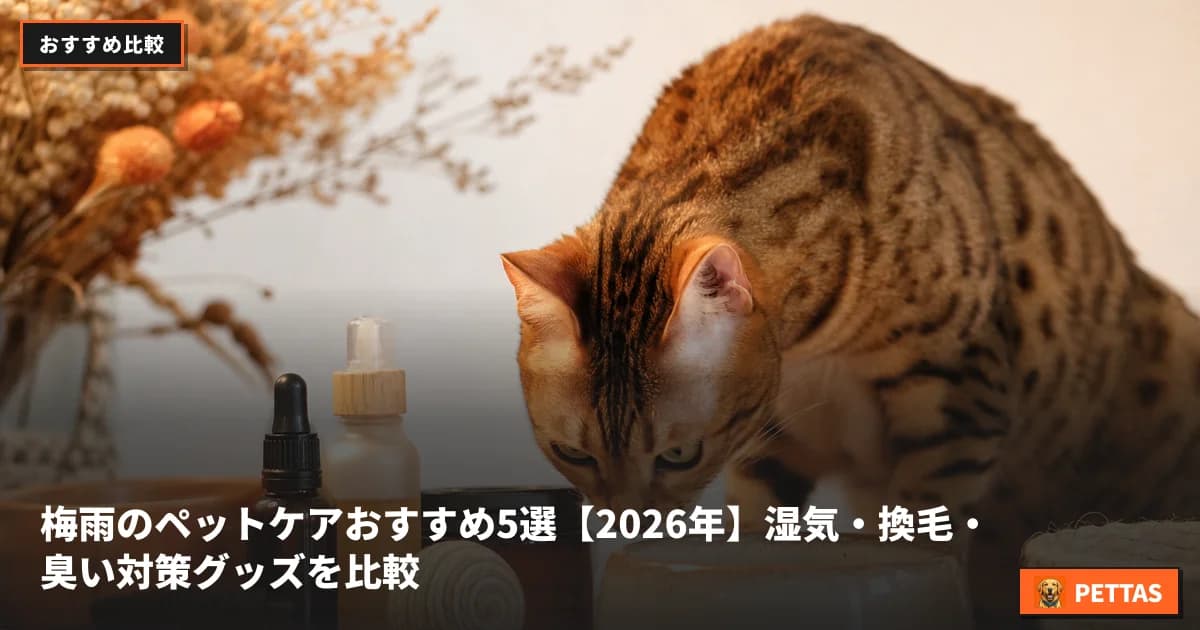
Rainy Season Pet Care: 5 Must-Have Grooming Picks (2026)

PETTAS Editorial Team
Up-to-date pet health guidance
Humidity spikes flea activity, skin issues & odors. Compare 5 vet-friendly grooming tools for shedding, ear care & deodorizing. Quick-pick chart inside.
Contents(7)
Last updated: 2026-06-02
Humidity is the enemy of pet skin health. When the rainy season arrives, shedding peaks, odors intensify, and ear infections spike — all at the same time. This guide compares 5 must-have grooming tools to keep your dog or cat comfortable through the wet months.
Quick Pick: Best 5 by Use Case
| Use Case | Product Type | Why It Wins |
|---|---|---|
| Best Overall (Shedding) | Undercoat Deshedding Brush | Removes dense undercoat in minutes, reduces skin stuffiness |
| Best for Odor | Enzyme-based Pet Deodorizer Spray | Breaks down urine odor at the source, pet-safe formula |
| Best for Indoor Pests | No-Chemical Mite Trap Sheet | Drug-free, safe around pets, effective for 2-3 months |
| Best for Skin Care | Tea Tree Dog Shampoo | Doubles as flea deterrent, gentle on sensitive skin |
| Best for Ear Health | Ear Cleaning Solution | Balances ear canal pH, prevents moisture-driven infections |
How to Choose Rainy Season Pet Care Products
1. Match the tool to the problem. Shedding and humidity hit simultaneously in early summer. An undercoat brush addresses both by improving airflow to the skin. Start here before buying anything else.
2. Check ingredient safety. During humid months, you may shampoo your pet more often. Look for sulfate-free, natural formulas. For deodorizers used on bedding and floors, confirm the label says "pet-safe."
3. Pair ear care with bath time. Moisture trapped in the ear canal is the main cause of otitis externa (outer ear infection) in dogs. Make ear cleaning a post-bath habit rather than a separate chore.
4. Go drug-free for mite control. Chemical sprays work fast but require ventilation time away from pets. Lure-and-trap mite sheets are safer for homes where pets roam freely on carpets and sofas.
5. Think in seasons, not one-offs. Shampoos and brushes are year-round investments. Mite trap sheets need replacing every 2-3 months. Budget accordingly before buying.
Top 5 Rainy Season Pet Care Products
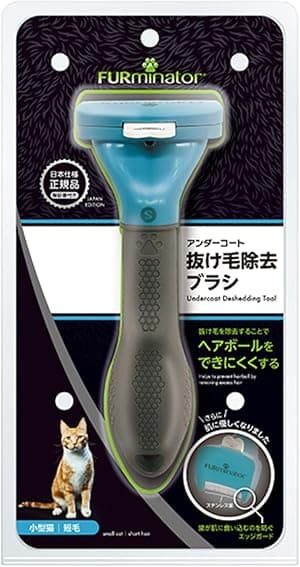
1. Undercoat Deshedding Brush
Price range: $20-35
Every rainy season, pet owners post photos of jaw-dropping amounts of fur removed in a single session. That is because deshedding brushes reach the dense undercoat that regular slicker brushes cannot access. Removing packed undercoat improves skin ventilation — which directly reduces moisture buildup and the odor that comes with it. Aim for 1-2 sessions per week during peak shedding.
Best for: Long or dense-coated cats and dogs showing visible shedding increase
2. Tea Tree Dog Shampoo
Price range: $12-20
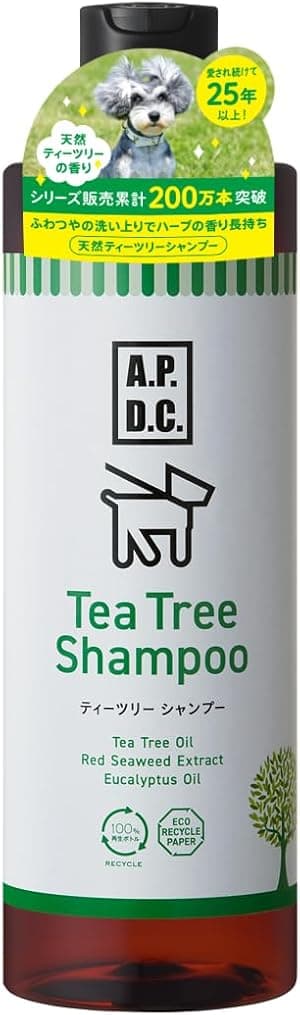
A shampoo with tea tree or neem oil serves double duty in humid months: it cleans skin and coat while creating an environment fleas and ticks find inhospitable. A 500ml bottle typically lasts 2-3 months with twice-monthly baths. Keep contact time brief (lather and rinse quickly) for sensitive-skinned dogs.
Best for: Dogs with post-walk odor or mild flea exposure risk
3. Enzyme-based Pet Deodorizer Spray
Price range: $7-15
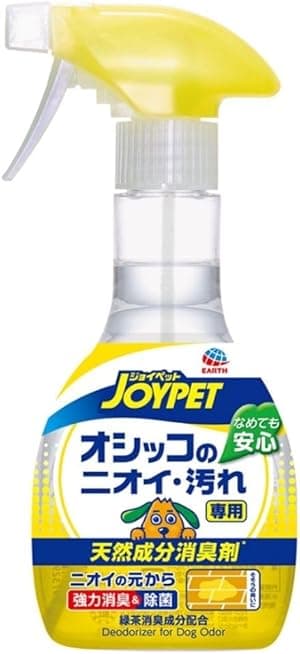
Closed windows during rainy weeks concentrate indoor pet odors fast. Unlike air fresheners that layer scents on top of each other, enzyme or lactic acid-based sprays break down the odor molecules from urine and dander at a molecular level. Spray directly on floors, bedding and litter box surroundings. Refill options keep ongoing costs low.
Best for: Indoor pets of any species; homes with guests expected
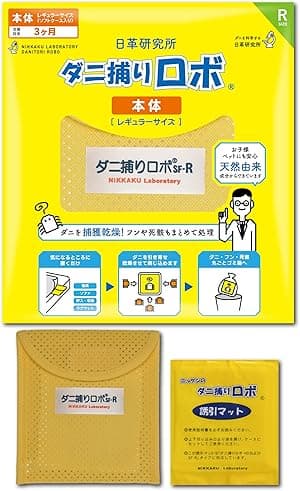
4. No-Chemical Mite Trap Sheet
Price range: $12-25 per 2-3 months
High humidity (above 60%) is all mites need to multiply in carpets and pet bedding. Trap-style sheets lure dust mites with an attractant and capture them without any insecticide. Simply slide one under your pet's favorite sleeping spot and replace every 2-3 months. No ventilation time needed, no risk if a curious pet sniffs the sheet.
Best for: Pets sleeping on carpets or soft furniture; owners avoiding chemicals
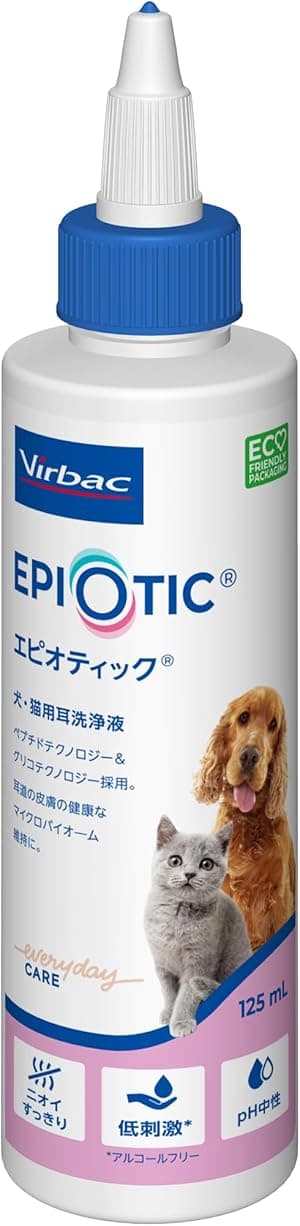
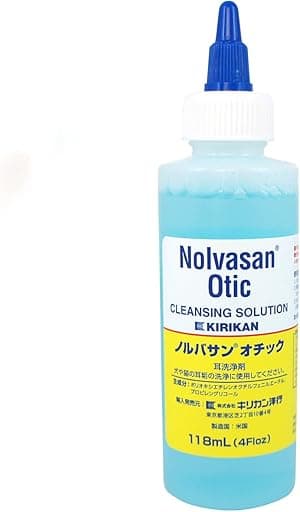
5. Ear Cleaning Solution
Price range: $12-22
Otitis externa cases rise sharply during humid months, especially in floppy-eared breeds. A veterinary ear cleaning solution acidifies the ear canal slightly, making it harder for yeast and bacteria to thrive. Apply a few drops after bathing, massage the base of the ear gently, then wipe the outer canal with a cotton ball — never push a cotton swab deep inside.
Best for: Floppy-eared dogs; any pet that shows head shaking or ear scratching in summer
Product Comparison Table
| Product Type | Price Range | Primary Benefit | Best For | Ongoing Cost |
|---|---|---|---|---|
| Undercoat Deshedding Brush | $20-35 | Removes packed undercoat, improves ventilation | Dense/long-coated pets | Low (one-time buy) |
| Tea Tree Dog Shampoo | $12-20 | Skin hygiene + flea deterrence | Dogs with post-walk odor | Medium (2-3 mo/bottle) |
| Enzyme Deodorizer Spray | $7-15 | Eliminates odor at source | Indoor pets, all species | Low (refill available) |
| Mite Trap Sheet | $12-25 | Drug-free mite capture | Carpet-sleeping pets | Medium (replace every 2-3 mo) |
| Ear Cleaning Solution | $12-22 | Prevents moisture-driven ear infections | Floppy-eared dogs | Medium (regular use) |
Summary: Start with the Brush
If you only buy one thing this rainy season, make it the undercoat deshedding brush. Clearing packed fur improves skin ventilation, which cascades into less odor and fewer skin issues. From there, layer in a deodorizer for indoor smell, a mite trap for the bedroom, and an ear solution if your dog has a history of ear infections.
FAQ
Q1. How often should I bathe my dog during the rainy season?
A. Stick to every 2-4 weeks for most dogs. Over-bathing strips natural skin oils, which weakens the skin barrier and invites more irritation. If post-walk odor is the issue, a quick paw and belly rinse is usually enough between full baths.
Q2. Is tea tree oil safe for all dogs?
A. At low concentrations found in commercial pet shampoos (typically under 1%), tea tree is generally considered safe for dogs when used as directed and rinsed thoroughly. Never use undiluted essential oil directly on pets. Cats are more sensitive to tea tree oil and should only use products specifically labeled safe for cats.
Q3. Can I use a human deodorizer spray on pet bedding?
A. Not recommended. Many human deodorizers contain fragrances, alcohols or essential oils that can irritate a pet's respiratory system or skin. Use only products labeled pet-safe, especially on surfaces your pet sleeps or lies on directly.
Q4. How do I know if my pet has an ear infection versus normal wax buildup?
A. Normal wax is light tan and odorless. An infection typically shows dark brown or black discharge, a yeasty or foul smell, and the pet will shake its head or scratch the ear frequently. If you see these signs, visit a vet before using any ear cleaning product, as some solutions can worsen certain infection types.
Q5. Are mite trap sheets effective enough, or do I need a full spray treatment?
A. For prevention and ongoing control in a pet-occupied home, trap sheets are sufficient and much safer. Spray treatments are faster for acute infestations but require careful use around pets. If you are just trying to stay ahead of rainy season mite increases, start with trap sheets placed under bedding and rugs.
References
- Merck Veterinary Manual: Otitis Externa — Clinical overview of causes, humidity risk factors, and treatment of ear canal infections in dogs and cats
- ASPCA Animal Poison Control: Tea Tree Oil — Safety thresholds for tea tree oil in pet grooming products
- AAHA Dermatology Guidelines (American Animal Hospital Association) — Best practices for managing allergic and environmental skin disease in companion animals
- House Dust Mite Control Measures, NIH/National Library of Medicine (PubMed) — Evidence on humidity levels and dust mite population dynamics relevant to indoor pet environments
- Japan Veterinary Medical Association: Skin Disease in Dogs and Cats — Japanese veterinary guidelines on seasonal dermatological risks and prevention
Recommended products5 picks
#ad Contains Amazon affiliate links
Ready to start managing your pet's health with PETTAS?
Medication tracking, health logs, and family sharing in one app. 14-day free trial — all features included.
All features free for 14 days — no card required
Get the latest articles by email
Weekly updates on pet health, medications, and insurance — straight to your inbox.
Share this article
Related Articles

Heartworm Season 2026: 3 Mistakes That Put Pets at Risk
2026-05-24

Cut $500/yr: 5 Ways to Lower Your Pet's Vet Bills (2026)
2026-05-23

5 Ways to Prevent Pet Heatstroke: Hydration Guide (2026)
2026-05-22

5 Early Signs of Pet Diabetes + Diet Tips (2026)
2026-05-19

Dog & Cat Vomiting: 5 Signs You Must See a Vet Now
2026-05-16