

Best 5 Cat Grooming Brushes for Shedding Season 2026: Find the Right One for Your Cat

PETTAS Editorial Team
Up-to-date pet health guidance
Not sure which cat brush to buy? We compare 5 types of grooming tools for shedding season — from slicker brushes to deshedding tools and grooming gloves. Find the perfect match for your cat's coat and personality.
Contents(7)
Is Your Home Covered in Cat Hair? You're Not Alone.
Every spring, cat owners face the same challenge: tumbleweeds of fur rolling across the floor, clothes permanently coated in fluff, and a cat who seems to shed more than physically possible. If you've been standing in a pet store (or scrolling online at midnight) wondering which brush to buy, this article is for you.
We've broken down 5 types of cat grooming tools to help you find the right fit for your cat's coat, personality, and your budget. Let's also be honest about the tools that disappoint — because nobody wants to waste money on a brush their cat refuses to tolerate.
How to Choose the Right Cat Brush
Before diving into the product types, here are the key factors to consider:
1. Coat length Short-haired cats (American Shorthair, Scottish Fold) and long-haired cats (Maine Coon, Persian) have very different needs. Long-haired cats need tools that can penetrate the undercoat; short-haired cats often do well with lighter rubber or bristle brushes.
2. Severity of shedding If your cat leaves tumbleweeds around the house or develops frequent hairballs, you'll want an undercoat deshedding tool. For light everyday maintenance, a simpler brush will do.
3. Your cat's brush tolerance Some cats love being brushed; others flee the moment they see a brush. Brush-averse cats need a gentle introduction — grooming gloves or rubber brushes feel more like petting and are often better accepted.
4. Ease of cleaning The best brush is the one you'll actually use consistently. Look for tools where you can remove trapped hair quickly — one-click ejection mechanisms or fully washable designs make a real difference.
5. Budget Grooming tools range from under $5 to $50+. Match your investment to how frequently you'll use it and how severe your cat's shedding is.
Quick Selection Chart
| Your Cat | Best Tool Type |
|---|---|
| Short coat, brush-tolerant | Slicker brush or rubber brush |
| Long coat, prone to mats | Deshedding comb or undercoat rake |
| Hates being brushed | Grooming glove |
| Extreme shedding (undercoat heavy) | Deshedding tool (FURminator-style) |
| Need detail work around face/paws | Fine-tooth finishing comb |
Best 5 Cat Grooming Tools for Shedding Season
1. Slicker Brush
The slicker brush is the classic go-to for a reason. Fine angled wire pins catch both surface fur and the middle coat layers, removing loose hair while gently detangling. It works on short to long coats and is the most versatile single tool you can own. Most quality slicker brushes run in the $10–$25 range.
Best for: Brush-tolerant cats, short to medium coats, first-time buyers looking for a reliable all-rounder.
⚠️ Watch out: Cheap versions may have sharp, unprotected pin tips that can scratch skin. Always check for rounded or ball-tipped pins before purchasing.
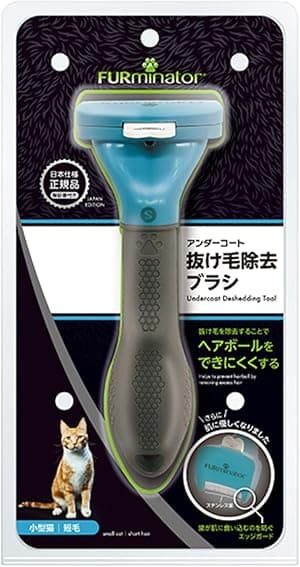
2. Deshedding Tool (FURminator-Style Undercoat Brush)
If you've never used an undercoat deshedding tool during shedding season, prepare to be amazed — and possibly horrified — by how much fur comes out. These tools use a fine-edged comb to reach through the topcoat and pull out loose undercoat without cutting healthy fur. Cat owners often report a dramatic reduction in shedding after just a few sessions. Price range: $30–$60, but the results justify the cost.
Best for: Heavy shedders, long and medium-coated cats, owners who feel like brushing never ends.
⚠️ Watch out: Don't overdo it — limit use to 2–3 times per week during peak shedding and avoid going over the same spot repeatedly. Daily use can cause skin irritation.
3. Rubber / Silicone Brush
Rubber brushes are the secret weapon for cats who hate traditional brushes. The soft silicone nubs feel more like a massage than grooming, so even skittish cats often accept them. They're also great for generating less static than metal brushes, meaning less fur flying around the room. Most are washable, making cleanup simple. Price range: $5–$15.
Best for: Brush-shy cats, kittens, senior cats with sensitive skin, owners who want a budget-friendly entry point.
⚠️ Watch out: Fur removal effectiveness is lower than slicker or deshedding tools. Pair with a more powerful brush for heavy shedding — use the rubber brush to build tolerance before introducing the bigger guns.
4. Grooming Glove
Slip on a grooming glove and your everyday petting sessions become grooming sessions. The silicone or rubber nodules on the palm and fingers trap loose fur while your cat thinks it's just getting a great scratch. This tool is especially good for cats who are completely brush-intolerant, and for reaching awkward spots like between the legs or under the chin. Price range: $10–$20.
Best for: Cats who flee at the sight of any brush, owners who want to combine bonding and grooming, multi-cat households where quick sessions are needed.
⚠️ Watch out: Removing the collected fur from the glove can cause it to scatter. Do this over a trash can or outdoors.
5. Fine-Tooth Finishing Comb
The finishing comb is what separates a good groom from a great one. After using a slicker or deshedding brush, running a fine-tooth metal comb through the coat smooths everything out and catches any remaining tangles. It also serves a practical function during spring: running a fine comb along the skin is an excellent way to check for fleas or ticks hiding in the coat. Price range: $7–$20.
Best for: Long-haired cats, owners who do thorough regular grooming, anyone who wants to combine coat care with flea/tick checks.
⚠️ Watch out: Never use a fine-tooth comb on a matted coat — you'll cause pain and potentially tear skin. Always brush out mats first with a slicker or wide-tooth comb.
Comparison Table
| Tool Type | Shedding Removal | Brush-Shy Tolerance | Coat Type | Price Range | Best For |
|---|---|---|---|---|---|
| Slicker Brush | ★★★★☆ | ★★★☆☆ | Short–Long | $10–$25 | All-round first brush |
| Deshedding Tool | ★★★★★ | ★★☆☆☆ | Medium–Long | $30–$60 | Heavy shedders |
| Rubber/Silicone Brush | ★★★☆☆ | ★★★★★ | Short–Medium | $5–$15 | Sensitive/shy cats |
| Grooming Glove | ★★☆☆☆ | ★★★★★ | Short–Medium | $10–$20 | Bonding + grooming |
| Fine-Tooth Comb | ★★☆☆☆ | ★★★☆☆ | Long coat | $7–$20 | Finishing + flea check |
Summary: Which Tool Is Right for You?
- First-time buyers → Start with a slicker brush. It's versatile, effective, and works for most cats.
- Heavy shedders → Invest in a deshedding tool. The difference is dramatic.
- Brush-averse cats → Begin with a rubber brush or grooming glove to build tolerance before moving to more effective tools.
- Long-haired cats → Use a slicker brush + finishing comb combination for best results.
🏆 If you can only buy one: the slicker brush
The slicker brush hits the sweet spot of effectiveness, versatility, and affordability. It's the tool most professional groomers recommend as a household staple, and once your cat gets used to it, regular brushing becomes a bonding ritual rather than a battle.
Spring Reminder: Groom + Check for Fleas & Ticks
Spring shedding season coincides with the start of flea and tick activity. Use your grooming sessions to inspect the skin — part the fur at the neck, belly, and behind the ears. If you spot tiny dark specks (flea dirt) or small brown bumps (ticks), it's time to start prevention.
For dogs or cats who go outdoors, consider pairing your grooming routine with a prevention product:
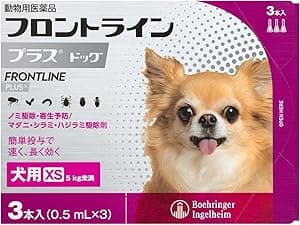 Frontline Plus for Dogs XS (under 5kg) — 3 packAmazonで価格をチェック
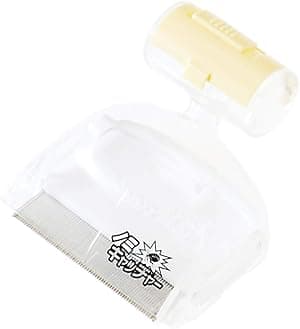 Doggy Man NHS Flea Catcher (stainless steel comb)Amazonで価格をチェック
Track Your Cat's Grooming and Health in One Place
Once you've found the right brush, the next step is consistency. Keeping a simple log of grooming sessions, coat condition changes, and any skin issues you notice makes vet visits much more productive — especially if your cat develops sudden or unusual hair loss.
PETTAS is a pet health management app that lets you record grooming history, health notes, vet visits, and reminders all in one place. It's not about adding complexity — it's about making sure nothing important slips through the cracks.
Information current as of April 2026. If your cat shows signs of excessive hair loss, skin irritation, or bald patches, consult your veterinarian before beginning a new grooming routine.
Recommended products3 picks
#ad Contains Amazon affiliate links
Pet diary
Track the small changes in your cat's routine
Daily one-tap logs of appetite, weight, and bathroom habits. Spot stress signs earlier and explain them clearly to your vet.
All features free for 14 days — no card required
Get the latest articles by email
Weekly updates on pet health, medications, and insurance — straight to your inbox.
Share this article
Related Articles

5 Best Grooming Tools for Cat Shedding Season (2026)
2026-06-03

3 Causes of Cat Litter Box Avoidance: 5-Step Fix (2026)
2026-06-08

5 Steps: Fix Indoor Cat Boredom in Rainy Season (2026)
2026-06-07

5 Vet-Approved Tips: Multi-Cat Intro During Rainy Season (2026)
2026-06-06

5 Steps: Raise a Kitten in Rainy Season Safely (2026)
2026-06-05