
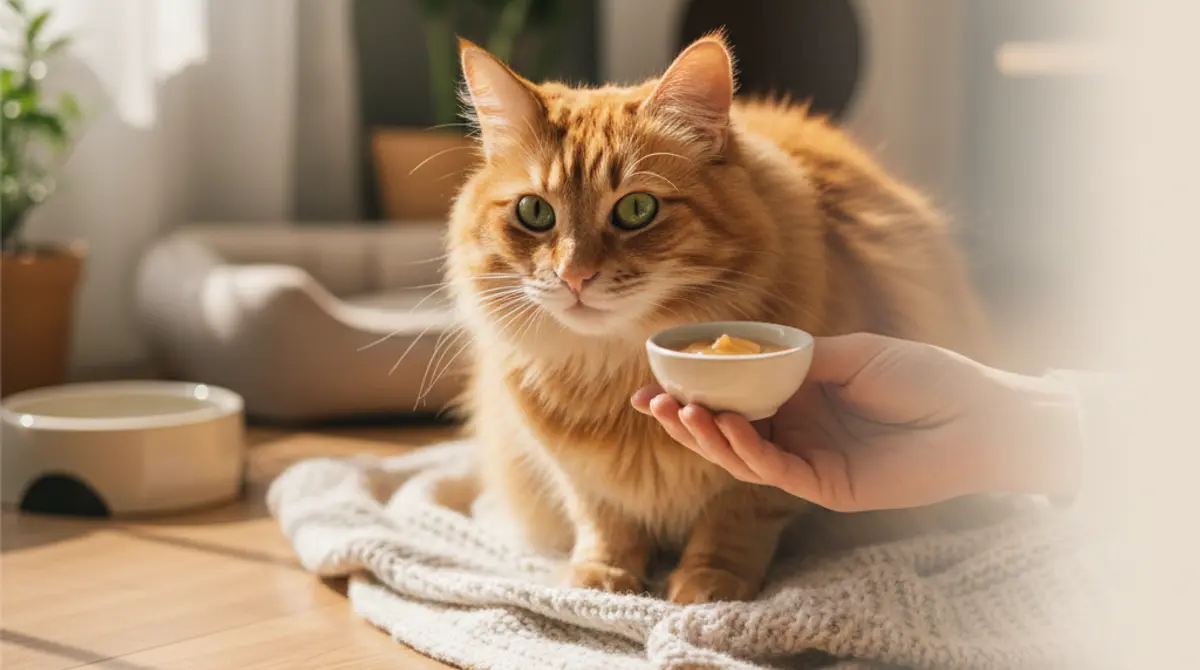
5 Vet-Approved Tips When Your Cat Refuses Medication

PETTAS Editorial Team
Up-to-date pet health guidance
Struggling to give your cat medication? Learn 5 proven techniques for administering pills, liquid medicine, and powdered medication to reluctant cats with minimal stress.
Contents(11)
Why Cats Are So Difficult to Medicate
Unlike dogs, cats have an extraordinary ability to detect foreign substances in their food. Their keen sense of smell allows them to notice the slightest change, and they'll often refuse the entire meal if they sense something is off. Worse, forcing a cat's mouth open can create fear and make future medication attempts even harder.
The good news is that with the right techniques, you can medicate your cat effectively while keeping stress levels low for both of you.
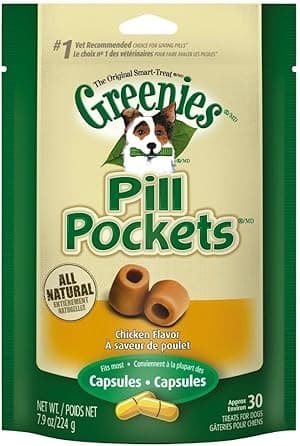
Tip 1: Use Pill Pockets
The easiest and least stressful method for both you and your cat.
How to do it:
- Push the pill into the pocket's hole
- Pinch the opening closed to seal the pill inside
- Offer it to your cat as a treat
Pro tips:
- Give a few empty pill pockets first so your cat associates them with treats
- Choose a flavor your cat loves (chicken is usually a hit)
- Wash your hands after handling the pill to remove any medicine scent
Tip 2: Mix with Wet Food
Works best for powdered medications or finely crushed tablets.
How to do it:
- Mix the medication into a small amount of wet food (about 1 tablespoon)
- Let your cat eat the medicated portion first and confirm it's finished
- Then serve the regular meal
Pro tips:
- Don't use too much food — your cat might not finish it all
- Squeeze treats (like Churu) work exceptionally well for this
- This method may not work for very bitter medications
Tip 3: Direct Administration
Placing the pill directly in the mouth is the most reliable method.
How to do it:
- Hold your cat from behind, gently tilting the head slightly upward
- Use one hand to open the upper jaw, the other to pull down the lower jaw
- Quickly drop the pill onto the back of the tongue
- Close the mouth and gently stroke the throat or blow softly on the nose
Pro tips:
- Wrap your cat in a towel (the "purrito" technique) to prevent scratching
- Follow up with a small syringe of water to help the pill reach the stomach
- Having two people makes it much easier — one to hold, one to medicate
Tip 4: Syringe Administration for Liquid Medications
Ideal for liquid syrups and suspension medications.
How to do it:
- Draw the prescribed amount into the syringe
- Insert the tip into the side of the mouth, behind the canine teeth
- Slowly dispense the liquid in small amounts
Pro tips:
- Give 0.5ml at a time with pauses to prevent choking
- Keep the head level, not tilted back, to avoid aspiration
- Bring refrigerated medications to room temperature first — cold liquid is more likely to be rejected
Tip 5: Build a Medication Routine
For long-term medications, integrating dosing into daily routines is essential.
Key strategies:
- Give medication at the same time every day (before meals works well)
- Always follow medication with a reward (treat or play session)
- Stay calm and avoid chasing your cat around the house
Use PETTAS medication management to set up medication schedules with reminders so you never miss a dose. The family sharing feature lets you coordinate dosing responsibilities among household members.
What NOT to Do
- Don't mix with dry food: Cats will skillfully eat around the pill
- Don't force the mouth aggressively: This damages trust and makes future dosing harder
- Don't give human medications: Some common drugs like acetaminophen are lethal to cats
- Don't stop medication early: Complete the full prescribed course even if symptoms improve
Best Methods by Medication Type
| Type | Recommended Method | Difficulty |
|---|---|---|
| Tablets | Pill pocket or direct | ★★☆ |
| Powder | Wet food mixing | ★☆☆ |
| Liquid | Syringe | ★★☆ |
| Capsule | Direct administration | ★★★ |
Keeping a medication log helps your vet understand what works and what doesn't. Track your medication history with PETTAS to maintain accurate records.
FAQ
My cat keeps spitting the pill out. What should I do?
The pill likely isn't being placed far enough back on the tongue. Aim for the back third of the tongue, which triggers the swallowing reflex. Following up with a small syringe of water also helps push the pill down the esophagus.
My cat eats the pill pocket but leaves the pill behind
The pill pocket may be too small for the medication. Try using two pill pockets to completely encase the pill, or ask your vet about splitting the dose into smaller pieces.
My cat runs away when it's medication time
Your cat has learned to associate medication time with a negative experience. Spend a week or two giving extra treats and play sessions around the usual medication time to rebuild positive associations. Practice gentle handling regularly so it's not only associated with pills.
The liquid medication seems too bitter — my cat drools and gags
Ask your vet if a flavored version is available. You can also immediately follow the medication with a tasty treat to override the bitter taste memory.
I have multiple cats — how do I medicate just one?
Isolate the cat in a separate room for medication. Keep them separated for about 30 minutes afterward to prevent other cats from ingesting any medication that might be spit out.
Editor's Pick
Summary
Medicating a cat takes patience and technique, but the right approach can dramatically reduce stress. Start with pill pockets or wet food mixing, and escalate to direct administration only if needed.
To make medication management easier, consider tracking your schedules with PETTAS.
Related articles:
Recommended products5 picks
#ad Contains Amazon affiliate links
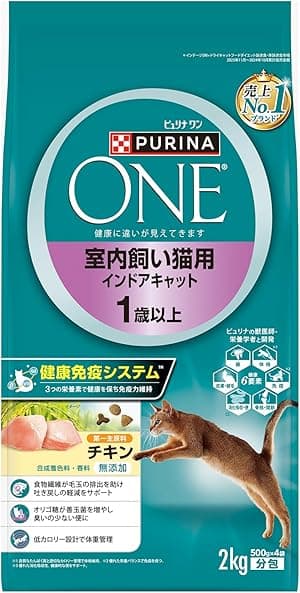
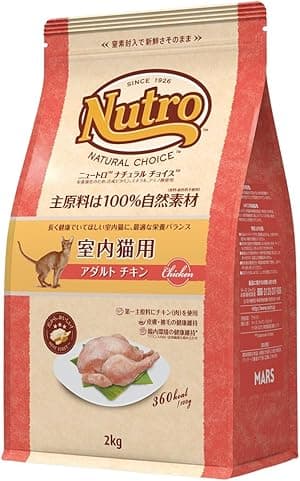
Pet diary
Track the small changes in your cat's routine
Daily one-tap logs of appetite, weight, and bathroom habits. Spot stress signs earlier and explain them clearly to your vet.
All features free for 14 days — no card required
Get the latest articles by email
Weekly updates on pet health, medications, and insurance — straight to your inbox.
Share this article
Related Articles
Indoor Cat? 5 Best Cat Foods by Age & Condition (2026)
2026-05-18

Best 5 Cool Mats & Heat Relief Products for Cats in 2026 | Summer Comfort Guide
2026-05-04
Best 5 Cat Grooming Brushes for Shedding Season 2026: Find the Right One for Your Cat
2026-04-26

7 Indoor Cat Stress Signs in Spring: Subtle Behavior Changes Owners Miss
2026-04-06

Benefits of Tracking Your Pet's Weight: A Health Management Essential
2026-04-06