
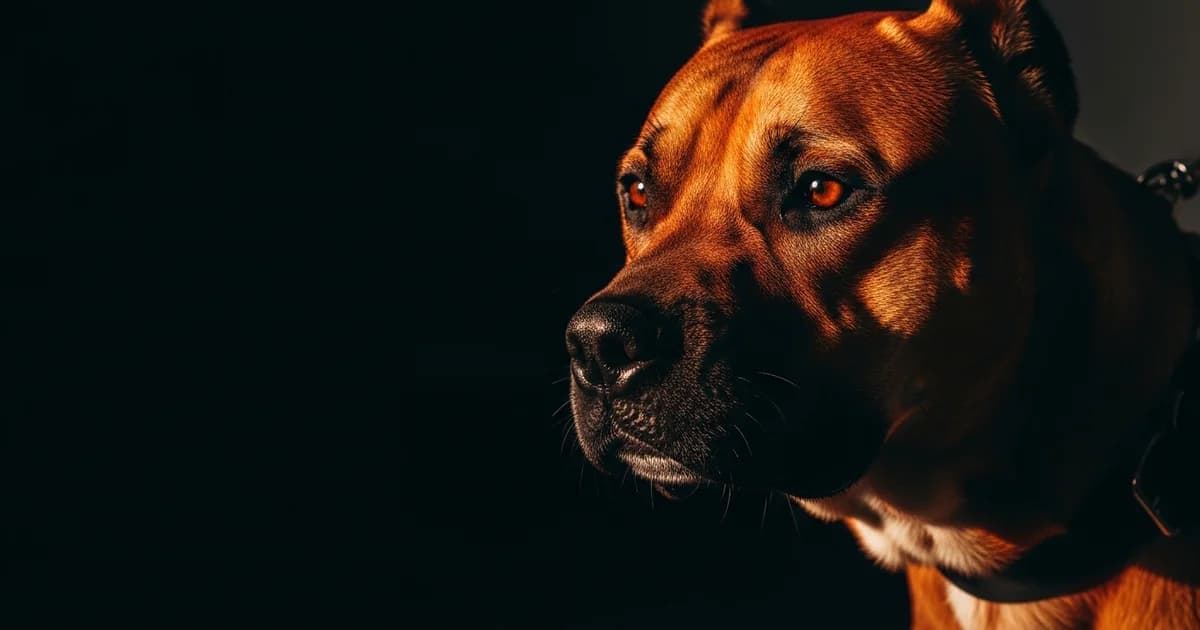
Spring Leash Training for Dogs: Fix Pulling & Jumping in 5 Steps

PETTAS Editorial Team
Up-to-date pet health guidance
Is your dog pulling on the leash every walk? Spring is the perfect time to fix it. Learn 5 vet-backed steps to stop leash pulling, improve outdoor manners, and keep your dog safe this season.
Contents(11)
Is Your Dog Dragging You Through Every Spring Walk?
Spring is one of the most exciting times of year for dogs — warmer weather, new smells, more people in the park. But if your dog is pulling you down the street or jumping on every passerby, those walks can feel more stressful than enjoyable.
You're not alone. Studies suggest that leash pulling is one of the most common behavioral complaints among dog owners, with roughly 40% reporting it as a regular issue. The good news? It's one of the most trainable behaviors — and spring is the ideal season to start.
This guide covers the 5-step leash training method, common mistakes to avoid, and spring-specific safety tips to make every walk safer and more enjoyable for both of you.
Why Dogs Pull — And Why It's Not Their Fault
Leash pulling isn't stubbornness or dominance. It's a natural behavior rooted in how dogs learn. When a dog pulls forward and the owner follows, the dog quickly learns: pulling = moving forward. This is basic operant conditioning, and it works fast.
The solution is equally simple in principle: pulling never leads forward. Every time you stop when the leash goes taut, you interrupt that learned association.
💡 Vet tip: If your dog pulls heavily, consider switching from a neck collar to a harness. This protects the trachea — especially important for small breeds and brachycephalic dogs like Bulldogs and Pugs, who are prone to tracheal collapse.
5-Step Leash Training Method
These steps work for puppies (from about 12 weeks old) and adult dogs alike. Practice for 5–10 minutes per walk and expect to see meaningful improvement within 2–4 weeks of consistent effort.
Step 1: Stop When the Leash Tightens (Days 1–5)
- The moment the leash goes taut, stop completely.
- Wait silently — no tugging back, no scolding.
- When your dog turns to look at you or steps back to release tension, say "good" and give a small treat.
- Resume walking only when the leash is loose.
- Repeat 10–20 times per walk.
This single habit, done consistently, is the foundation of everything else.
Step 2: Build Eye Contact (Week 1)
Before moving, get your dog to look at you. Say their name, reward eye contact with a treat. During the walk, randomly call their name to re-engage attention. Dogs who look at their owners regularly are less reactive to distractions.
Step 3: Teach Heel Position (Week 2)
- Position your dog at your left side.
- Hold a treat at hip level to guide them.
- Take 3–5 steps, rewarding the dog for staying beside you.
- Gradually increase the number of steps before rewarding.
Step 4: Add "Wait" at Trigger Points (Weeks 2–3)
Spring means more distractions — joggers, cyclists, other dogs, flower-viewing crowds. Before approaching anything exciting:
- Say "wait" clearly.
- Ask for 5 seconds of stillness, then reward.
- Gradually extend to 10, 20, then 30 seconds.
This gives your dog a job to do instead of reacting impulsively.
Step 5: Gradual Exposure (Ongoing)
Start training in low-distraction environments (early morning, quiet streets) and slowly introduce busier settings. Each successful calm response builds confidence and reduces reactivity over time.
3 Common Mistakes Dog Owners Make
❌ Mistake 1: Jerking the leash back
This creates fear and pain, not learning. It can make dogs associate walks — or even the outdoors — with negative experiences. Always use redirection and reward instead.
❌ Mistake 2: Inconsistency across family members
If one person stops when the dog pulls but another keeps walking, the dog learns that pulling sometimes works — which actually makes the behavior harder to extinguish. Everyone in the household must follow the same rules.
❌ Mistake 3: Training sessions that are too long
Dogs have short attention spans for formal training — 5 to 15 minutes max. Long sessions lead to frustration and regression. Short, daily practice is far more effective than occasional hour-long efforts.
Spring Walk Safety Checklist
Spring walks are great, but this season brings extra health considerations. Use this checklist before heading out:
- Flea and tick prevention started (recommended March through November)
- Rabies vaccination booked for April–June
- Heartworm prevention started after a negative test
- Checking dog's paws, belly, and ears for ticks after every walk
- Wiping dog's coat down after walks (pollen season)
- Watching for scavenging behavior — spring parks often have food hazards
- ID tag and microchip details are current
- Harness and leash inspected for wear and proper fit
When to See a Vet or Behaviorist
Leash training doesn't always fix everything. Consult a veterinarian or certified veterinary behaviorist if:
- Your dog lunges or attempts to bite other dogs or people
- Your dog has a panic response just to having the leash attached
- There's been no improvement after 4+ weeks of consistent training
- Your dog suddenly refuses walks (possible pain or illness)
Behavioral problems can sometimes have medical causes — pain, neurological issues, or anxiety disorders. Don't assume it's purely a training problem without ruling out health factors first.
3 Actions You Can Take Today
-
On today's walk: stop every single time the leash tightens. Just this one rule, done consistently, starts reshaping the behavior immediately.
-
Tell every family member the rule. Text the household group chat: "Leash goes tight → we stop. No exceptions." Consistency requires team effort.
-
Log your flea/tick prevention start date. Spring is peak season. Write it down or set a monthly reminder so you never miss a dose.
Manage Spring Dog Care with PETTAS
If you want to combine leash training progress with spring health management, PETTAS makes it easy:
- Medication Reminders: Set monthly alerts for flea/tick prevention and heartworm medication so you never miss a dose during the active season.
- Health Record Timeline: Log anything you notice on walks — limping, tick discovery, unusual behavior — so you have accurate notes ready for your vet.
- Family Sharing: Keep everyone in the household on the same page with shared health and training records.
- Vaccine Schedule Manager: Track your dog's rabies vaccination and set reminders for annual boosters.
Think of it as your dog's personal health journal — always in your pocket, always up to date.
Recommended Products for Spring Leash Training
Quick Reference Summary
| Key Point | Detail |
|---|---|
| Core rule | Stop every time the leash tightens |
| Session length | 5–10 minutes, every walk |
| Expected timeline | 2–4 weeks with consistency |
| Spring extras | Flea/tick prevention + rabies vaccine |
| See a vet if | Aggression, panic, no improvement after 4 weeks |
Spring is short — start now, and by early summer you could have a dog that walks calmly beside you through the park. One walk at a time.
Related Articles
If you found this helpful, you may also want to read:
Recommended products5 picks
#ad Contains Amazon affiliate links




Family sharing
Share every care note with the whole family
Walks, training notes, vaccinations, and meds in one place. No more 'did you give the meds?' messages in the family chat.
All features free for 14 days — no card required
Get the latest articles by email
Weekly updates on pet health, medications, and insurance — straight to your inbox.
Share this article
Related Articles

60C Pavement: 4 Dog Walk Mistakes Causing Heatstroke (2026)
2026-05-17

Dog Harness Types Explained: Mesh vs Power vs Vest -- Complete Buying Guide 2026
2026-05-07

Best 5 Dog Water Bottles for Walks & Travel 2026|Beat the Heat This GW Season
2026-05-05

Best 5 Heat Protection Gear for Dogs in 2026 | Keep Your Pup Safe This GW Season
2026-05-03

Best Anti-Slip Mats for Senior Dogs 2026 | Stairs & Floor Comparison + Mobility Care Gear
2026-04-28