

Spring Puppy Socialization & Training Guide: What to Do from Week 8 to Week 16

PETTAS Editorial Team
Up-to-date pet health guidance
Is your puppy at the golden window of socialization this spring? Learn the 5 essential training steps for puppies aged 8–16 weeks, plus how to balance flea/tick prevention and vaccine schedules. Vet-backed advice for new dog owners.
Contents(8)
Are you a new puppy owner wondering where to even begin with training this spring?
You're not alone — and the good news is, the timing couldn't be better. The American Veterinary Society of Animal Behavior (AVSAB) identifies the period from 3 to approximately 16 weeks of age as the critical "socialization window" — a phase when experiences shape a dog's personality and behavior for life. Puppies born or adopted in spring are often right in this golden window, making April and May the most important training months of your dog's entire life.
In this guide, we'll walk you through 5 science-backed socialization steps, common mistakes to avoid, and how to balance training with spring's essential preventive care — flea/tick prevention, rabies vaccines, and heartworm protection.
Socialization vs. Obedience Training: Understanding the Difference
Many first-time owners confuse these two, so let's clarify:
| Phase | Focus | Best Age |
|---|---|---|
| Socialization Training | Exposure to people, sounds, environments, animals | Weeks 3–16 (critical window) |
| Obedience Training | Sit, stay, come, crate | Week 8 onward (lifelong) |
If your puppy is currently under 16 weeks old, prioritize socialization above everything else. Missing this window can lead to fearfulness, anxiety, and reactive behaviors in adulthood that are far harder to address.
5 Steps for Spring Puppy Socialization and Training
Step 1: Start with Indoor Sounds (Weeks 8–10)
Before venturing outside, expose your puppy to everyday household sounds:
- Vacuum cleaner, washing machine, TV, doorbell
- Use the "sound → treat" pairing: play the sound, immediately give a small treat
- Keep each session to 5–10 minutes maximum — puppies tire quickly
- If your puppy freezes or trembles, increase distance and go slower
Step 2: Introduce Diverse People (Weeks 8–12)
Puppies need to meet people of different ages, sizes, appearances, and genders. Invite friends and family over — people wearing hats, sunglasses, uniforms, or carrying umbrellas.
Important: Before vaccines are complete, avoid uncontrolled environments. Stick to trusted homes with healthy, vaccinated dogs. Carrying your puppy on walks (rather than letting them walk on uncontrolled ground) is considered relatively safe — confirm with your vet first.
Step 3: Outdoor Exposure — Sights, Sounds, and Smells of Spring (Weeks 10–14)
Spring offers a sensory-rich environment perfect for socialization. Carry your puppy and expose them to:
- Traffic sounds, bicycles, motorcycles
- Wind, rain sounds, birds chirping
- Colorful signage, flags, strollers
- The smell of grass, flowers, and fresh air
The goal is for your puppy to associate these stimuli with neutrality or positivity, not fear.
Step 4: Introduce Basic Commands (Weeks 10–16)
Run short obedience sessions alongside socialization:
- Sit: Most puppies grasp the basic form within 3–7 days with lure training
- Stay: Start at 3 seconds, extend by 1–2 seconds per week
- Come (Recall): Practice 15+ times daily — always end with praise and treats, never punishment
- Crate/House: Aim for comfortable crate association within 1–2 weeks
Keep training sessions under 15 minutes. End on a success.
Step 5: Controlled Dog-to-Dog Interaction (Post-Vaccine)
Wait until 2 weeks after the final puppy vaccine (usually around weeks 12–16) before allowing contact with unknown dogs. Puppy classes at this stage are highly recommended — they combine socialization with structured learning.
Common Puppy Training Mistakes to Avoid
- Using punishment: Yelling or physical correction creates fear and can increase aggression. Always use positive reinforcement
- Waiting until vaccines are complete to socialize: AVSAB explicitly states that the risks of under-socialization outweigh infection risks in most situations
- Training sessions that are too long: Over 15 minutes leads to frustration, not learning
- Inconsistent rules across family members: Everyone must agree — "allowed on the couch" or not, "jumping up" acceptable or not
- Scolding after the fact: Puppies cannot connect delayed punishment to behavior. Only address behaviors in the moment, calmly
Spring Preventive Care: Balancing Training with Health Essentials
Spring training and spring health care go hand in hand. As temperatures rise above 50°F (10–13°C), fleas, ticks, and mosquitoes become active. Here's a recommended schedule:
| Timing | Action |
|---|---|
| Day of adoption | Confirm vaccine history; schedule first vet visit |
| Weeks 6–8 | First combination vaccine (DHPP) if not yet given |
| Weeks 10–12 | Second combination vaccine |
| Weeks 14–16 | Third combination vaccine + Rabies (where legally required) |
| Spring onward | Flea & tick prevention (monthly or 3-month treatments) |
| May–November | Heartworm prevention (monthly, through one month after mosquito season ends) |
When to call your vet immediately:
- Vomiting or diarrhea lasting more than 24 hours
- Complete loss of appetite for a full day
- Sudden lethargy or collapse
- Facial swelling or labored breathing after vaccination (possible anaphylaxis — stay near the clinic for 30 minutes post-vaccine)
- Skin redness, bumps, or crusty areas (possible flea or tick bites)
Recommended Products for Spring Puppy Training
The right tools make training more effective and less stressful for both of you.
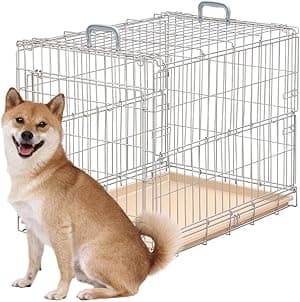 Iris Ohyama Folding Cage for Medium Dogs OKE-750RFoldable cage for medium dogsAmazonで価格をチェック
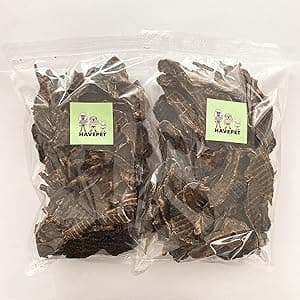 Itoshigo Beef Jerky Dog Treats Additive-Free Grain-FreeAdditive-free grain-free reward jerkyAmazonで価格をチェック
 Petio Healthy Bolo-chan Small Grain 120gSmall training treats easy to portionAmazonで価格をチェック
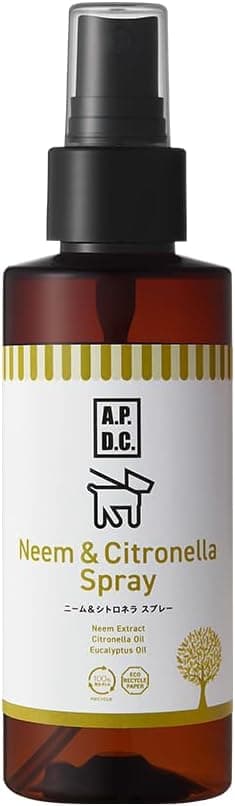 A.P.D.C. Neem & Citronella Spray 125mlDEET-free natural insect repellent spray for dogsAmazonで価格をチェック
- Iris Ohyama Folding Cage for Medium Dogs OKE-750RFoldable training cage for puppiesAmazonで価格をチェック
3 Actions You Can Take Starting Today
-
Tonight after dinner — 5-minute "Sit" session: Hold a treat at your puppy's nose level and slowly raise it. As the nose goes up, the bottom naturally goes down. The moment the rear touches the floor, say "Sit!" and reward. Repeat 10 times.
-
This week — Visit your vet: Confirm your puppy's current vaccine status and lock in your spring prevention schedule (flea/tick + heartworm). Tell your vet you want to begin socialization — they can advise on safe activities before vaccines are complete.
-
Starting tomorrow — Keep a daily health log: Note appetite, energy level, bowel movements, and any behavioral changes. This data is invaluable when something seems off — and it helps your vet make faster, more accurate diagnoses.
Managing Your Puppy's Health and Training Schedule with PETTAS
One of the biggest challenges of spring puppy care isn't the training itself — it's keeping track of everything: next vaccine date, monthly flea prevention doses, weight changes, and behavioral progress.
If you're looking to build these habits into a sustainable routine, PETTAS offers several features designed exactly for this:
- Vaccine Schedule Management: Log your puppy's full vaccine history and get reminders for upcoming shots — no more forgotten boosters
- Medication Reminders: Set monthly alerts for flea/tick and heartworm prevention. Especially useful if multiple family members are involved in care
- Health Record Timeline: Track weight, appetite, energy, and behaviors over time with photo attachments — great for spotting trends and sharing with your vet
- Family Sharing: Everyone in the household sees the same records in real time, eliminating the "did you already give the flea treatment?" problem
- Emergency QR Card: If your puppy ever gets lost, a quick QR scan gives finders instant access to vaccine records and your contact information
Setting up PETTAS's vaccine schedule and medication reminder features now means you'll head into summer — the most intensive prevention season — with complete confidence that nothing is slipping through the cracks.
The Bottom Line: Spring Is Your Puppy's Most Important Season
The socialization window and spring's preventive care season overlap almost perfectly. That's not a burden — it's an opportunity. With a clear weekly plan, consistent short training sessions, and a reliable health tracking system, you'll build the foundation for a confident, happy, well-adjusted dog that will be your companion for 10 to 15 years. Start this week. Every day in this window counts.
Related Articles
If you found this helpful, you may also want to read:
Recommended products5 picks
#ad Contains Amazon affiliate links
Family sharing
Share every care note with the whole family
Walks, training notes, vaccinations, and meds in one place. No more 'did you give the meds?' messages in the family chat.
All features free for 14 days — no card required
Get the latest articles by email
Weekly updates on pet health, medications, and insurance — straight to your inbox.
Share this article
Related Articles

60C Pavement: 4 Dog Walk Mistakes Causing Heatstroke (2026)
2026-05-17

Dog Harness Types Explained: Mesh vs Power vs Vest -- Complete Buying Guide 2026
2026-05-07

Best 5 Dog Water Bottles for Walks & Travel 2026|Beat the Heat This GW Season
2026-05-05

Best 5 Heat Protection Gear for Dogs in 2026 | Keep Your Pup Safe This GW Season
2026-05-03

Best Anti-Slip Mats for Senior Dogs 2026 | Stairs & Floor Comparison + Mobility Care Gear
2026-04-28