

Indoor Cat? 5 Best Cat Foods by Age & Condition (2026)

PETTAS Editorial Team
Up-to-date pet health guidance
Too many choices? We break down 5 cat food types by age, weight, and indoor lifestyle. Side-by-side comparison chart included. Find the right pick fast.
Contents(7)
Struggling to Pick the Right Cat Food?
Walk into any pet store and you face dozens of options: grain-free, life-stage formulas, hairball control, kidney care... it is easy to spend 30 minutes and leave more confused than when you arrived.
This guide cuts through the noise. We cover the 5 key selection criteria and compare 5 popular cat food types so you can make a confident choice -- whether your cat is a playful adult, a chunky indoor lounger, or a senior with health considerations.
Note: Now in May, rising temperatures mean cats are at higher risk of reduced water intake. It is a good time to reassess what you are feeding.
How to Choose Cat Food: 5 Key Criteria
1. Match the Life Stage Label
Cat nutrition requirements shift significantly across three stages: kitten (under 1 year), adult (1-7 years), and senior (7+ years). Feeding adult food to a kitten -- or vice versa -- can cause nutritional imbalances over time. Always check the life stage label on the packaging.
2. Indoor vs. Outdoor Activity Level
Indoor cats burn fewer calories and are prone to obesity and hairball issues. Foods labeled "indoor" or "indoor adult" are formulated with lower calorie density and added fiber to address exactly these concerns. Do not assume a standard formula will work the same way for a cat that rarely leaves the living room.
3. Read the First Three Ingredients
Ingredients are listed by weight. If the first item is a named animal protein (chicken, salmon, turkey), that is a good sign. If it is a grain or corn gluten meal, the protein profile may not match a cat's carnivore biology. Cats require specific amino acids -- like taurine -- that come primarily from animal sources.
4. Factor in Hydration (Especially Summer)
Cats have a low thirst drive, and many do not drink enough from a bowl alone. As temperatures climb, dehydration risk rises. Wet food (70-80% moisture) or a circulating fountain can meaningfully support daily water intake. This is worth building into your feeding routine before problems arise.
5. Calculate Monthly Cost, Not Bag Price
A large bag looks cheaper, but if your cat eats slowly and oxidation becomes a concern, the real cost per serving may not differ much from a smaller bag. Work out a monthly estimate based on your cat's recommended daily serving size.
Quick Selection Chart
| Cat Situation | Best Food Type |
|---|---|
| Indoor adult, low activity | Indoor/calorie-controlled formula |
| Longhair with hairball issues | Hairball-care formula with added fiber |
| 7+ years old | Senior formula (kidney/joint support) |
| Overweight | Low-calorie, high-fiber formula |
| Poor appetite or low body weight | High-protein, high-palatability formula |
5 Cat Food Types Compared
Type 1: Indoor Adult Formula (Balanced Daily Use)
Designed for the caloric reality of cats that live indoors, these formulas reduce energy density while adding fiber for hairball management. They cover the broadest range of common indoor cat needs and tend to have the highest repeat-purchase rates for good reason. If you are not sure where to start, this is typically the safest first pick.
Best for: Most indoor adult cats; owners who want a reliable baseline without overthinking it.
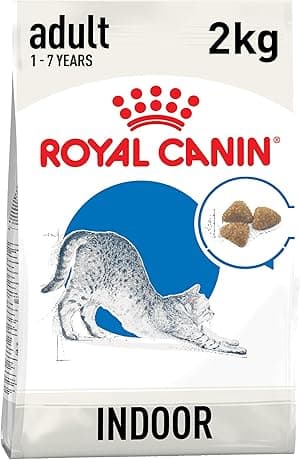 Royal Canin FHN Indoor Adult 2kgAmazonで価格をチェック
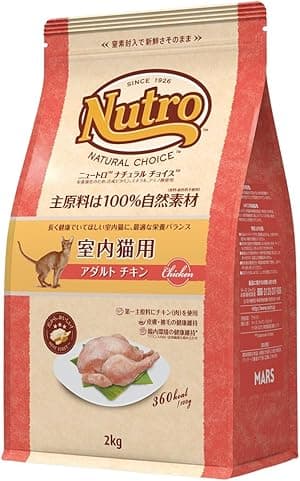 Neutro Natural Choice Indoor Adult Chicken 2kgAmazonで価格をチェック
Type 2: Chicken-First, Simple Ingredient Formula
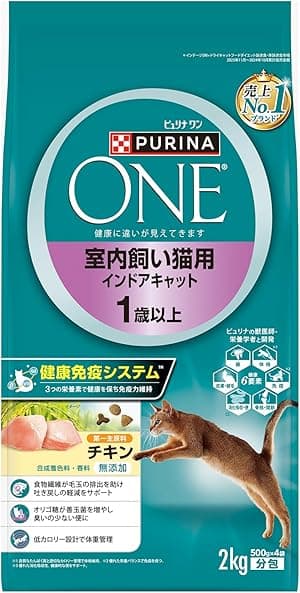
These foods prioritize named animal protein at the top of the ingredient list and minimize artificial additives. Owners who switched to this type after digestive issues or vague skin problems often report improvements within a few weeks. Grain-free variants are available for cats with suspected grain sensitivities.
Best for: Cats with digestive sensitivity; owners who want ingredient transparency.
Type 3: Weight Management Formula
If your cat is starting to look rounder around the middle, a sudden calorie restriction is rarely the answer -- it can cause stress and nutritional deficiency. Weight management foods increase fiber to maintain satiety while lowering caloric density. The transition feels gradual and natural to the cat, which improves compliance.
Best for: Cats trending overweight; owners beginning a monitored weight-loss plan.
Note: Dedicated weight management dry foods are not currently in the product registry. Use the selection criteria above to compare options at retail.
Type 4: Senior Formula (7+ Years)
Social media communities for senior pet owners are growing fast -- and with good reason, as more cats are living into their mid-teens. Senior formulas typically reduce phosphorus and sodium to ease kidney workload, and may include glucosamine or omega fatty acids for joint support. If your cat is 7 or older and still eating a standard adult food, it may be time to review.
Best for: Cats aged 7+; cats with early-stage kidney concerns (always confirm with a vet before switching).
Important: Prescription renal diets require veterinary authorization. Over-the-counter senior formulas are appropriate for general preventive support, not therapeutic treatment.
Type 5: Wet Food for Hydration Support
As May turns into the humid summer months, this is the type that often gets overlooked until a cat shows signs of dehydration. Wet food at 70-80% moisture content can be used as a daily addition or a few times per week to meaningfully increase fluid intake. High palatability also makes it useful for senior cats or cats recovering from illness who are eating less.
Best for: Cats that drink little water; summer hydration support; appetite stimulation in seniors.
Pairing wet food with a circulating fountain gives double coverage:
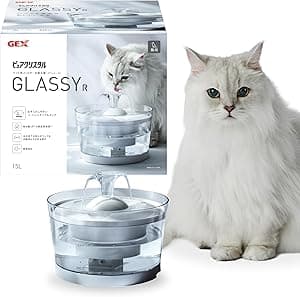 GEX PureCrystal Glassy R 1.5L Cat FountainAmazonで価格をチェック
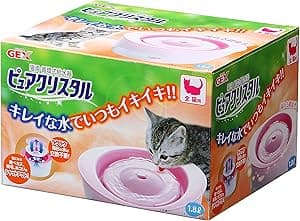 GEX PureCrystal All Cats FountainAmazonで価格をチェック
Comparison Table
| Type | Key Feature | Best Cat | Est. Monthly Cost |
|---|---|---|---|
| Indoor Adult Formula | Calorie control + hairball fiber | Most indoor adult cats | $25-40 |
| Chicken-First Simple | Clean ingredients, easy digestion | Sensitive digestion | $22-38 |
| Weight Management | Low calorie, high satiety fiber | Overweight cats | $26-44 |
| Senior Formula | Kidney/joint support ingredients | 7+ years | $30-50 |
| Wet Food Hydration | 70-80% moisture, high palatability | Low drinkers, seniors | $18-36 (alongside dry) |
Bottom Line: Start Here If You Are Unsure
For the majority of indoor adult cats without a specific health condition, Type 1 (Indoor Adult Formula) is the recommended starting point. It addresses the most common indoor cat concerns out of the box and carries the lowest risk of a poor fit.
If weight, aging, or hydration become specific concerns, move to the relevant type at that point. Transition gradually over 7-14 days by mixing old and new food in increasing ratios to avoid digestive upset or refusal.
FAQ
Q1. Should I feed dry food, wet food, or both?
A. A dry-primary diet with occasional wet food additions works well for most cats. Dry food supports dental health and convenient storage; wet food boosts hydration and palatability. In summer or for cats that drink little, adding wet food 3-4 times per week is a practical improvement.
Q2. Is grain-free food necessary for cats?
A. Not universally. Cats are obligate carnivores and have limited ability to digest large amounts of grain, but grain-free does not automatically mean better. Prioritizing named animal protein at the top of the ingredient list is more important than grain-free status alone. Reserve grain-free for cats with documented sensitivities.
Q3. How do I transition to a new food safely?
A. Mix old and new food over 7-14 days, gradually shifting the ratio toward the new formula. Watch stool consistency and appetite throughout. A faster switch often leads to digestive upset or outright refusal.
Q4. When should I switch to senior food?
A. Around 7 years is the general guideline, but individual health status matters more than age alone. A vet check with blood work around the 7-year mark will give you a clearer picture of kidney and liver function to guide the decision.
Q5. My cat stopped eating the food I bought. What should I do?
A. Rule out medical causes first if the refusal lasts more than 48 hours or is accompanied by lethargy or vomiting. If the cat is otherwise healthy, revert to the previous food and slow the transition timeline. Avoid offering too many alternatives quickly -- cats can learn to hold out for something more appealing.
Track the Results, Not Just the Purchase
Changing your cat's food is a good decision. But without tracking body weight over time, it is hard to know if it is actually working. The same is true for medication schedules, vet visit records, and hydration habits.
I built PETTAS as a pet health management app because I wanted a simple way to connect daily care decisions -- like a food switch -- to observable outcomes over time. Weight trends, medication reminders, clinic visit logs: having everything in one place makes the difference between guessing and knowing.
If you are making changes to your cat's diet this season, pair it with consistent tracking.
Recommended products5 picks
#ad Contains Amazon affiliate links
Pet diary
Track the small changes in your cat's routine
Daily one-tap logs of appetite, weight, and bathroom habits. Spot stress signs earlier and explain them clearly to your vet.
All features free for 14 days — no card required
Get the latest articles by email
Weekly updates on pet health, medications, and insurance — straight to your inbox.
Share this article
Related Articles

Best 5 Cool Mats & Heat Relief Products for Cats in 2026 | Summer Comfort Guide
2026-05-04

Best 5 Cat Grooming Brushes for Shedding Season 2026: Find the Right One for Your Cat
2026-04-26

7 Indoor Cat Stress Signs in Spring: Subtle Behavior Changes Owners Miss
2026-04-06
5 Vet-Approved Tips When Your Cat Refuses Medication
2026-04-06