

10% of Senior Cats Get This: 7 Signs of Hyperthyroidism (2026)

PETTAS Editorial Team
Up-to-date pet health guidance
Eating more but losing weight? Up to 15% of cats over 10 have hyperthyroidism. Learn 7 warning signs, 3 treatments, and vet visit timing. Quick-pick checklist inside.
Contents(10)
Last updated: 2026-06-12
Is your cat eating more than ever but still getting thinner? This combination is one of the most telling signs of feline hyperthyroidism — and it affects up to 10-15% of cats over the age of 10, according to Cornell University's College of Veterinary Medicine.
This article covers the 7 key symptoms, how vets diagnose it, 3 treatment options, and what you can do starting today.
Why Cats Eat More but Lose Weight: The Thyroid Explanation
The thyroid gland sits near the base of your cat's neck and regulates metabolism by releasing thyroxine (T4). When the gland becomes overactive, it floods the body with T4, pushing metabolism into overdrive.
Think of it like a car engine that can't stop revving at maximum speed. No matter how much fuel you put in, it burns through everything — and eventually, the engine itself starts to wear down. That's exactly what happens inside a hyperthyroid cat's body.
Why Rainy Season and Summer Make It Worse
During humid summer months, hyperthyroid cats struggle even more with temperature regulation. Their already-overactive metabolism generates excess body heat, and high humidity makes cooling down harder. Watch for increased water intake, lethargy during hot hours, or unusual nighttime restlessness — these can all intensify during this season.
7 Symptoms of Feline Hyperthyroidism: Checklist
Hyperthyroidism can be sneaky in early stages. Many owners mistake the increased appetite and activity for a sign their cat is "doing great." Use this checklist to spot the real picture:
- Eating significantly more, yet losing weight (more than 200g / 0.44 lbs in 1-2 months)
- Drinking more water and urinating more frequently
- Restlessness, increased vocalization especially at night
- Unkempt or greasy coat; poor self-grooming
- Vomiting or diarrhea occurring more than 2-3 times per week
- Rapid or pounding heartbeat (normal: 160-220 bpm; you may feel it through the chest wall)
- Age 10 years or older
If 3 or more apply to your cat, schedule a vet visit within the next week.
Common Mistake: Assuming a Hungry Cat is a Healthy Cat
This is one of the most frequent misreads owners make. Increased appetite feels like a positive sign — and it can be, in other contexts. But when paired with weight loss, it's a red flag. Since visual weight changes in cats with fluffy coats can be hard to spot, monthly weigh-ins are essential for cats over 8 years old.
A digital pet scale makes monthly weigh-ins easy to do at home:
How Vets Diagnose Feline Hyperthyroidism
Diagnosis typically follows three steps:
- Physical examination: The vet palpates the neck to check for thyroid enlargement. About 70-80% of hyperthyroid cats have a palpable goiter.
- Blood test (Total T4): This is the definitive test. Normal range is 1.0-4.0 mcg/dL; values above 5.0 mcg/dL are considered elevated. Results are usually available the same day or within 24 hours.
- Additional tests: Urinalysis and cardiac evaluation (ECG or echocardiogram) may be recommended to assess organ involvement.
Cost varies by clinic, but expect $80-$200 USD for the initial blood panel. If you've been noticing the signs above, the blood test is the fastest way to get a clear answer.
3 Treatment Options: Pros, Cons, and Costs
1. Medication (Medical Management)
The most common starting point. Methimazole (an anti-thyroid drug) is given 1-2 times daily. Hormone levels typically normalize within 2-4 weeks.
- Pros: Affordable (~$30-80/month), can start immediately
- Cons: Lifelong daily medication required; some cats develop side effects (vomiting, facial itching, reduced appetite)
Giving daily pills to a reluctant cat is one of the biggest challenges in long-term management. Pill pockets help enormously:
2. Radioactive Iodine Therapy (I-131)
The gold standard treatment. A single injection of radioactive iodine selectively destroys overactive thyroid tissue. Cure rates reach approximately 95%, with no need for ongoing medication afterward.
- Pros: Highly curative, one-time procedure, no daily medication needed
- Cons: Costs $1,000-$2,000 USD; requires 1-2 weeks of hospitalization at a licensed facility; availability varies by region
3. Surgical Thyroidectomy
Surgical removal of the thyroid gland. Once common, it has largely been replaced by radioactive iodine in most practices due to anesthesia risks in older cats. Still performed when other options aren't viable.
Recommended Items for Ongoing Management
Managing a hyperthyroid cat at home involves consistent tracking and daily medication. These tools help:
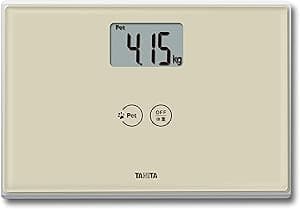 Tanita CA-100A Digital Pet ScaleMonitor treatment progress with weekly weight checksAmazonで価格をチェック
 Greenies Pill Pockets Capsule SizeReduce daily medication stress for both cat and ownerAmazonで価格をチェック
 Pet Health Record Notebook (60 pages)Log weight, medication, and vet visits in one placeAmazonで価格をチェック
 MytiMax Super Probiotic SupplementSupports gut health in cats experiencing medication-related digestive changesAmazonで価格をチェック
When to Call the Vet Urgently
Seek veterinary care within 24-48 hours if you notice:
- Sudden significant weight loss (200g / 0.44 lbs or more in under a week)
- Open-mouth breathing or labored respiration
- Weakness or paralysis in the hind legs (possible arterial thromboembolism)
- Vomiting or diarrhea 3+ times per day
For cats already in treatment, recheck blood work 2-4 weeks after starting medication, then every 3 months to monitor T4 levels and kidney function.
3 Actions You Can Take Today
- Weigh your cat right now and write it down — Date, weight, and any observations. You don't need an app; a sticky note works. But you need a starting point.
- Track food intake for 7 days — Note whether appetite has increased, decreased, or stayed the same. This information is invaluable during a vet consultation.
- Book a senior wellness blood test if your cat is 10+ — Even without obvious symptoms, ask your vet to include Total T4 in the panel. Early detection changes outcomes dramatically.
FAQ
Q1. At what age should I start screening my cat for hyperthyroidism?
A. Vets generally recommend including thyroid screening in annual wellness bloodwork starting at age 8. Risk increases significantly after age 10, when roughly 10-15% of cats are affected.
Q2. How much does hyperthyroidism treatment cost for cats?
A. Medication (methimazole) runs approximately $30-80 USD per month depending on dosage and pharmacy. Radioactive iodine therapy costs $1,000-$2,000 USD but is typically a one-time expense with no ongoing medication needed.
Q3. Can diet alone treat feline hyperthyroidism?
A. Iodine-restricted therapeutic diets (such as Hill's y/d) can help manage thyroid hormone levels, but only if your cat eats nothing else — no treats, no other foods, no outdoor hunting. In most households, this is difficult to maintain strictly. Diet therapy is typically used as an adjunct, not a sole treatment.
Q4. Will treating hyperthyroidism affect my cat's kidneys?
A. Yes, this is an important consideration. Hyperthyroidism can mask underlying chronic kidney disease by artificially increasing renal blood flow. When thyroid levels normalize with treatment, pre-existing kidney disease may become apparent. Your vet should check kidney values (BUN and creatinine) 2-4 weeks into treatment.
Q5. My cat was diagnosed with hyperthyroidism but seems energetic. Should I still treat it?
A. Yes. The apparent energy increase is a side effect of the overactive metabolism, not genuine vitality. Without treatment, the condition progressively damages the heart, kidneys, and other organs. Early treatment leads to significantly better long-term outcomes.
Track Thyroid Treatment with PETTAS
Managing hyperthyroidism long-term means daily medication, monthly weigh-ins, and regular blood tests — and keeping all that straight is genuinely hard.
I built PETTAS specifically because this kind of daily health management falls through the cracks too easily:
- Weight tracking graphs — See treatment progress at a glance
- Medication reminders — Never miss a dose of methimazole again
- Family sharing — Prevent accidental double-dosing when multiple people care for the same cat
- Health timeline — Store blood test results and vet visit notes in one place
Consistent records don't just reduce your stress — they help your vet make better decisions for your cat.
→ Start tracking today at PETTAS
References
- Cornell Feline Health Center — Hyperthyroidism in Cats — Prevalence data, symptom overview, and treatment summaries
- Merck Veterinary Manual — Hyperthyroidism in Cats — Diagnostic criteria, T4 reference ranges, and radioiodine efficacy
- American Association of Feline Practitioners (AAFP) — Senior Care Guidelines — Screening frequency recommendations for cats aged 8+
- Journal of Veterinary Internal Medicine — Masked Renal Disease in Hyperthyroid Cats — Research basis for post-treatment kidney monitoring
- FDA Animal Health — Approved Animal Drug Products — Methimazole (Felimazole) approval and prescribing information
Recommended products5 picks
#ad Contains Amazon affiliate links

Pet diary
Track the small changes in your cat's routine
Daily one-tap logs of appetite, weight, and bathroom habits. Spot stress signs earlier and explain them clearly to your vet.
All features free for 14 days — no card required
Get the latest articles by email
Weekly updates on pet health, medications, and insurance — straight to your inbox.
Share this article
Related Articles

7 Early Signs of Cat Kidney Disease: Home Checklist (2026)
2026-05-28

5 Reasons Cats Get Cystitis in Humid Season (2026)
2026-06-09
3 Causes of Cat Litter Box Avoidance: 5-Step Fix (2026)
2026-06-08
5 Steps: Fix Indoor Cat Boredom in Rainy Season (2026)
2026-06-07
5 Vet-Approved Tips: Multi-Cat Intro During Rainy Season (2026)
2026-06-06