
5 Steps: Fix Indoor Cat Boredom in Rainy Season (2026)

PETTAS Editorial Team
Up-to-date pet health guidance
40-50% of indoor cats suffer from boredom and stress. Fix it with 2x15-min play sessions daily. Science-backed guide with toy picks inside.
Contents(9)
Last updated: 2026-06-07
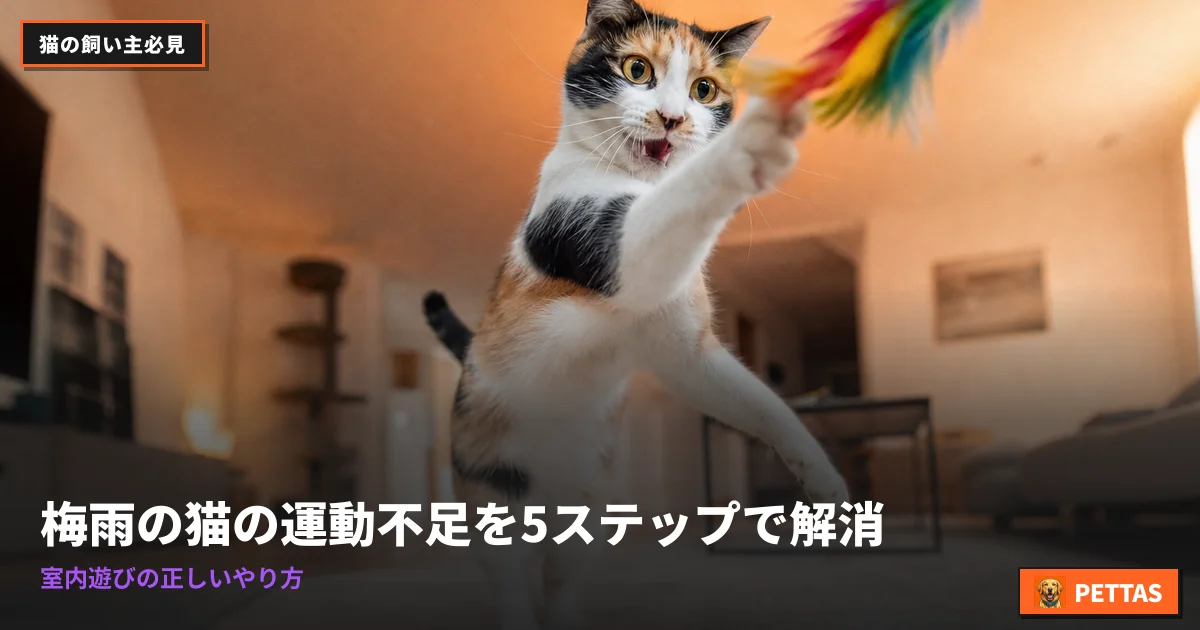
Is your cat sleeping 20 hours a day and showing zero interest in play? During the rainy season, indoor cats are at higher risk of chronic boredom and stress than almost any other time of year.
Studies suggest that 40-50% of indoor cats suffer from some level of under-stimulation, which can lead to obesity, urinary problems, and destructive behaviors. When humid, rainy weather keeps both you and your cat stuck indoors, having a structured play routine isn't a nice-to-have — it's essential healthcare.
This guide walks you through 5 concrete steps to fix indoor cat exercise deficits, plus what signs to watch for and when to call your vet.
How Much Exercise Does an Indoor Cat Actually Need?
Adult cats (ages 1-7) need approximately 2-3 active play sessions per day, each lasting 10-15 minutes. Kittens under 1 year need shorter but more frequent bursts — 5-10 minutes, 4-5 times daily. Senior cats (7+) benefit from gentler 5-10 minute sessions twice a day, with care taken around joints.
The rainy season creates a perfect storm for exercise deficits:
- Heat and humidity naturally suppress a cat's activity drive (temperature regulation)
- Barometric pressure drops cause anxiety and hiding behavior
- Owners staying home more doesn't automatically translate to active playtime
Leave this unchecked and the consequences escalate fast: every 1 kg (2.2 lbs) above ideal body weight roughly doubles a cat's risk of diabetes and joint disease.
7 Signs Your Cat Is Under-Exercised: A Checklist
Before blaming personality, run through this checklist:
- Sleeps or rests in one spot for most of the day with no spontaneous movement
- No longer reacts to toys that previously triggered a response
- Visible fat layer when gently pinching the flank (more than 1 cm thick)
- Dull or greasy coat, OR excessive grooming of a single area
- Increased nighttime vocalization or furniture scratching
- Sudden increase or decrease in appetite
- Changes in litter box frequency or urine volume
Three or more boxes checked means it's time to restructure play. Five or more warrants a vet check to rule out underlying health issues.
5-Step Plan to Fix Indoor Cat Exercise Deficits
Step 1: Lock In a Consistent Play Schedule
Cats are routine animals. They don't just enjoy predictability — they need it. Schedule play sessions at the same times each day (right after you wake up and 20-30 minutes before the evening meal works well for most households). Irregular play leads to chronic low-level stress, even if the total playtime is adequate.
Step 2: Match the Toy to the Hunting Sequence
Cat play mimics the complete hunting cycle: detect > stalk > chase > pounce > catch > consume. Most toys only hit the middle stages. Here is how to run a complete cycle:
- Detect/stalk: Start moving the toy slowly, irregularly, behind furniture
- Chase: Increase speed and unpredictability
- Catch: Let the cat successfully grab the toy every 3-4 attempts — never let it end in total failure
- Consume: Finish with a small treat or a portion of the meal
Feather wands that move unpredictably are ideal for this sequence. Key picks to consider:
 Natural Feather Cat Wand with Bell - 2 PackNatural feathers create unpredictable movement that closely mimics preyAmazonで価格をチェック
 Cat Wand Toy - 2 PackLightweight and safe for small indoor spaces; a reliable everyday optionAmazonで価格をチェック
Step 3: Add Mental Exercise with Food Puzzles
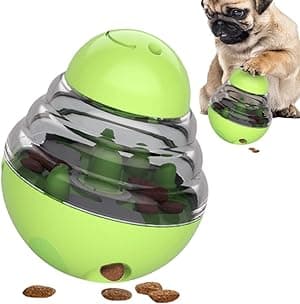
Physical movement is only half the equation. Mental stimulation through food puzzles (nosework) produces genuine fatigue and satisfaction in cats — similar to how a mentally demanding workday tires humans out more than a short walk.
Allocating 10-20% of daily calories through a puzzle feeder has been shown to reduce stress-related behaviors and overeating. Start at difficulty level 1 (simple tip-to-release), then increase complexity every 5-7 days.
Step 4: Use Vertical Space for 3D Exercise
Jumping and climbing burns 3-4x more energy than horizontal movement across the same distance. During rainy season indoor confinement, deliberately guide play sessions through height variations — onto cat trees, shelves, and the back of sofas.
A cat performing 10-15 jumps of 50 cm (20 in) or more per session covers a significant portion of its daily metabolic movement requirement. Vertical play also supports muscle tone in the hindquarters, which matters especially for older cats.
Step 5: Decompress After Play
A play session that ends abruptly without a wind-down routine leaves the cat in a sustained arousal state, which can ironically increase anxiety. Always close a session with: catch the toy > small reward > quiet rest spot available. When paired consistently, this routine helps regulate mood, especially during the erratic weather patterns of rainy season.
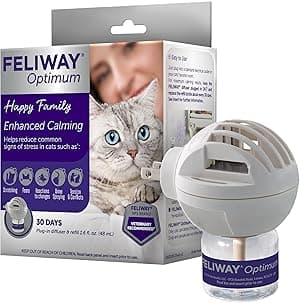
For cats that remain anxious after play or react strongly to thunder and pressure changes, synthetic calming pheromone diffusers can provide meaningful background support:
3 Common Mistakes Cat Owners Make
Mistake 1: Using only a laser pointer Laser pointers trigger the chase response but the cat can never complete the "catch" phase. This leaves the hunting cycle permanently open, causing frustration over time. If you use a laser, always end by redirecting to a physical toy or treat.
Mistake 2: One long session instead of multiple short ones A 40-minute single session is far less effective than 15 minutes x 3. Cat attention spans are short; overly long sessions raise injury risk and reduce engagement quality.
Mistake 3: Using the same toy daily without rotation Cats quickly learn that a stationary toy is not alive. Rotate 3-5 toys in and out, storing others out of sight. Re-introducing a toy after 1-2 weeks can restore near-full engagement.
When to See a Vet
Contact your veterinarian if you observe any of the following:
- Body weight drops more than 5% within 2 weeks despite normal appetite
- No response to any toy or interaction for 3+ consecutive days
- Limping, reluctance to jump, or vocalizing when moving
- Vomiting or diarrhea lasting more than 48 hours
- Visible skin redness, patchy hair loss, or excessive scratching (humidity-related dermatitis is common in rainy season)
3 Actions to Take Today
- Tonight, before the evening meal: run one 15-minute wand toy session — focus on letting the cat successfully catch the toy at least 3-4 times during the session
- Tomorrow morning: replace 10% of breakfast calories with a puzzle toy — even just scattering kibble inside a muffin tin counts as day-one nosework
- Block two daily play slots in your phone calendar — treat them like appointments; consistency is more important than duration
FAQ
Q1. My cat ignores every toy. What should I try first?
A. Shift play to just before mealtimes. Hunger activates the predatory drive and makes cats significantly more responsive to movement. Also try switching toy texture — some cats strongly prefer fabric over plastic, or vice versa. If zero response persists for 2-3 weeks, ask your vet to rule out pain or hormonal issues.
Q2. What age can kittens start using food puzzles?
A. From around 4 months of age, once kittens are fully weaned and eating dry food independently. Start at the lowest difficulty level and supervise closely. Senior cats (7+) also benefit — puzzle feeding supports cognitive function as they age.
Q3. Why does my cat seem more anxious specifically during rainy season?
A. Cats are highly sensitive to barometric pressure changes, which are frequent during monsoon season. This can manifest as increased hiding, vocalization, or over-grooming. Providing accessible hiding spots and maintaining consistent play routines helps buffer the behavioral impact.
Q4. Can I play with two cats together?
A. Yes, if they are already comfortable with each other. Provide one toy per cat to avoid resource guarding. For cats that are newly introduced or have tension between them, separate individual sessions are strongly recommended to avoid conflict.
Q5. How much should I budget for cat enrichment toys?
A. Basic feather wands typically cost USD 8-15; food puzzles range from USD 10-25. Expensive is not synonymous with effective. Rotating 3-4 mid-range toys works better than one premium toy used daily. The single highest-value investment is the owner's time and consistency, which costs nothing.
Track Play, Weight, and Health with PETTAS
Noticing that your cat "seemed less active this week" or "has gained a bit of weight" is only useful if you can see the pattern over time. That's exactly why I built PETTAS — to give cat owners a simple way to log daily health data, track body weight on a graph, and share records with family members or a second caregiver.
When a vet asks "has your cat's appetite changed in the last month?", having actual logged data instead of a rough guess makes a real difference in diagnosis speed.
Start tracking today: PETTAS Official Site
References
- American Veterinary Medical Association (AVMA) - Cat Behavior and Enrichment — Guidelines on indoor cat environmental enrichment and behavioral health
- Cornell Feline Health Center - Enriching Your Cat's Life — Evidence-based recommendations for play, exercise, and mental stimulation
- American Association of Feline Practitioners (AAFP) - Feline Environmental Needs Guidelines — The five pillars of feline environmental enrichment, including play and predatory opportunities
- Merck Veterinary Manual - Behavior Problems of Cats — Clinical overview of stress-related behaviors and management in domestic cats
- Ministry of the Environment Japan - Pet Ownership Guidelines — Domestic guidelines for responsible indoor cat care and welfare
Recommended products4 picks
#ad Contains Amazon affiliate links
Pet diary
Track the small changes in your cat's routine
Daily one-tap logs of appetite, weight, and bathroom habits. Spot stress signs earlier and explain them clearly to your vet.
All features free for 14 days — no card required
Get the latest articles by email
Weekly updates on pet health, medications, and insurance — straight to your inbox.
Share this article
Related Articles

5 Vet-Approved Tips: Multi-Cat Intro During Rainy Season (2026)
2026-06-06
7 Cat Stress Signs Owners Miss: Vet-Approved Fixes (2026)
2026-05-29
5 Steps: Raise a Kitten in Rainy Season Safely (2026)
2026-06-05
5 Best Grooming Tools for Cat Shedding Season (2026)
2026-06-03
5 Ways to Cool Indoor Cats and Prevent Heatstroke (2026)
2026-05-31