
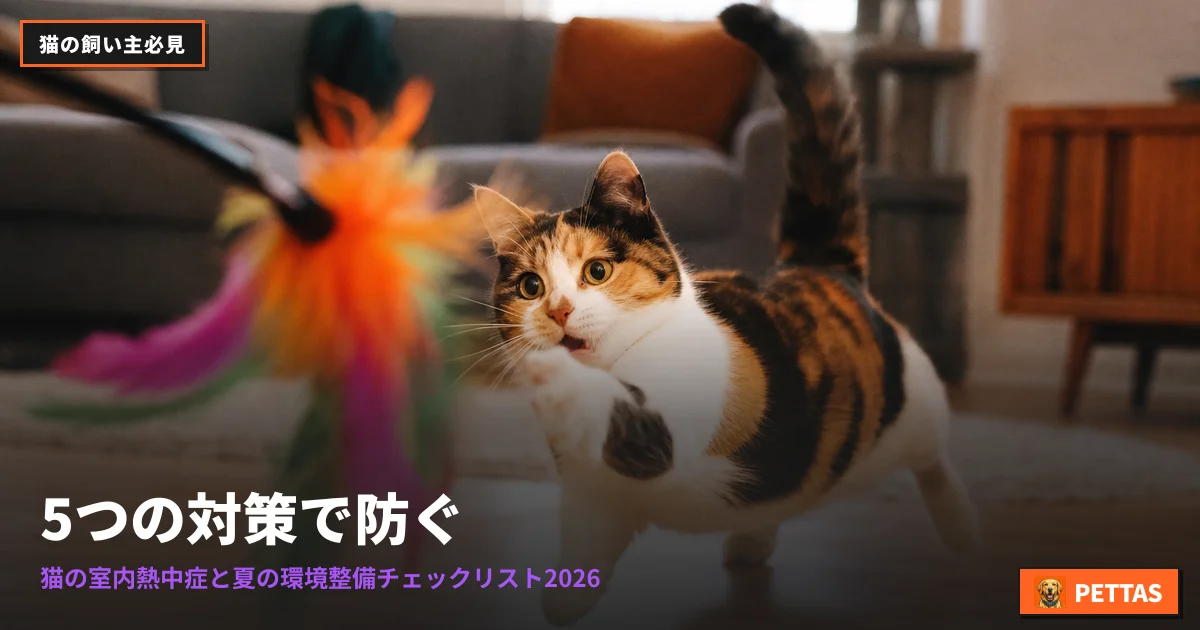
5 Ways to Cool Indoor Cats and Prevent Heatstroke (2026)

PETTAS Editorial Team
Up-to-date pet health guidance
Indoor cats face real heatstroke risk above 82F. Vet-based 5-step checklist covers cooling mats, hydration, and airflow. Free checklist inside.
Contents(9)
Last updated: 2026-05-31
Think your indoor cat is safe from heatstroke? Think again. When the outdoor temperature climbs above 95F (35C), a closed room can reach over 104F (40C) within hours — and cats have very limited ability to cool themselves down. Unlike dogs, cats cannot pant effectively, and they sweat only through their paw pads. The Japan Veterinary Medical Association notes that heatstroke risk in cats rises sharply when ambient temperature exceeds 82F (28C) with humidity above 60%. This guide gives you a vet-based 5-step plan to protect your indoor cat this summer.
Why Indoor Cats Are at Serious Heatstroke Risk
Cats regulate body temperature poorly compared to many other mammals. With sweat glands limited to the paw pads and no effective panting reflex, their only real options are behavioral: seeking cool surfaces, shade, or air circulation. When those options are removed — for example, in a closed apartment while you are at work — body temperature can rise dangerously fast.
High-risk situations to watch for:
- Closed rooms with no air conditioning during the day
- West-facing rooms that receive intense afternoon sun (2-5 PM)
- Forgetting to set the AC before leaving home in the morning
- Multi-cat households where combined body heat raises room temperature
- Senior cats (7+ years), kittens, and cats with chronic illness
Early warning signs you should never ignore:
- Lying flat on the floor and not moving
- Open-mouth breathing or panting (always abnormal in cats)
- Excessive drooling
- Body feels unusually hot to the touch
- Sluggish response to being called
- Vomiting, stumbling, or seizures (severe — call a vet immediately)
If you see open-mouth breathing or seizures, place cool damp towels on the neck, armpits, and inner thighs, and contact your veterinarian at once.
5-Step Indoor Environment Checklist for Cats in Summer
Step 1 — Control Room Temperature and Humidity
The ideal range for cats is 75-79F (24-26C) with humidity at 50-60%. Keep the air conditioner running even when you are away from home — set it to 82F (28C) rather than turning it off completely.
- Set the AC timer to turn on before 10 AM, when temperatures begin to rise
- Place a thermometer-hygrometer at the height your cat actually rests (12-20 inches from the floor)
- Use blackout curtains on west-facing windows to block afternoon sun
Step 2 — Maximize Hydration
Cats evolved in arid environments and have a naturally low thirst drive, which makes them prone to chronic mild dehydration. This puts long-term strain on the kidneys — a well-documented risk factor for chronic kidney disease. In summer, dehydration compounds heatstroke risk rapidly.
Practical hydration strategies:
- Provide at least 2 water stations in different rooms
- Change water 1-2 times daily; rinse bowls every day
- Keep water bowls away from food bowls — cats instinctively avoid drinking near where prey might contaminate water
- Consider a circulating water fountain; many cats prefer moving water and drink 30-70% more
The target intake is roughly 40-60 ml per kg of body weight per day. A 9 lb (4 kg) cat needs about 6-8 oz (160-240 ml) daily — much of which should come from food if you supplement with wet food.
Hydration tools that work well this season:
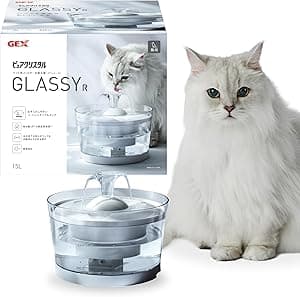 GEX PureKristal Glassy R Cat Fountain 1.5LGlass construction for easy cleaning; flowing water encourages drinkingAmazonで価格をチェック
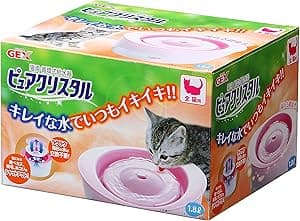 GEX PureKristal All-Cat FountainCompact model suitable for multi-cat homesAmazonで価格をチェック
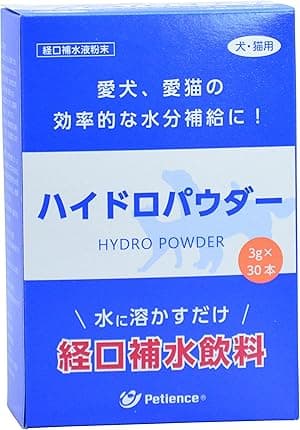 QIX Hydro Powder 3g x 30 sticks for cats and dogsDissolves in water to boost intake and add electrolytesAmazonで価格をチェック
Step 3 — Create Multiple Cool Resting Spots
Cats self-regulate by moving between warm and cool areas. If they have no cool escape, stress and body temperature both rise.
- Place aluminum or tile cooling pads in 2-3 spots at different heights
- Leave a closet or cabinet door slightly open so cats can find their own cool corner
- Check upper cat-tree levels — heat rises, and high perches can be the hottest spots in the room
Aluminum cooling bowls and pads require no electricity and are ready to use immediately:
 Marukan Cool Cat Bowl Jumbo CT-418Dome-shaped aluminum bowl cats can curl into; strong heat-dissipating effectAmazonで価格をチェック
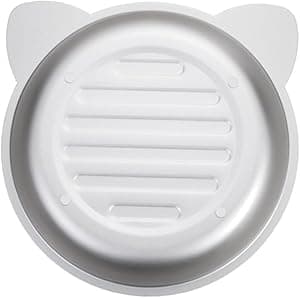 YUMOA Cat Aluminum Cool Bowl 45 cmLarger size for bigger cats or households with multiple catsAmazonで価格をチェック
Step 4 — Improve Air Circulation
Air conditioning alone can leave dead zones where hot air accumulates. A simple circulator fan dramatically improves even distribution of cooled air.
- Use a circulator fan pointing at the ceiling to mix air throughout the room
- Open high windows slightly for cross-ventilation — but only with escape-proof screens installed
- Avoid leaving cats in enclosed carriers or crates where air stagnates; choose mesh-ventilated options
Step 5 — Prevent Escape While Allowing Ventilation
As temperatures climb, cats gravitate toward windows and doors. Sliding screen doors are easily pushed open by a determined cat, and escapes spike in early summer.
- Fit window screens with auxiliary locks or cat-proof stoppers
- Supervise any balcony access — balconies reflect heat and offer few escape routes if a cat panics
- Keep an ID tag on your cat's collar at all times in case of accidental escape
3 Common Mistakes Cat Owners Make in Early Summer
Mistake 1 — Turning off the AC because the morning felt cool Temperature swings of 20F+ between morning and afternoon are common in May and June. A room that is comfortable at 8 AM can reach dangerous levels by noon. Use the auto or timer mode rather than manual on/off.
Mistake 2 — Leaving one large bowl of water and considering it done Stale or warm water is often refused by cats. Smaller bowls refreshed more frequently — or a circulating fountain — reliably increase actual intake compared to a single large bowl left all day.
Mistake 3 — Assuming short-haired breeds handle heat better Coat length has little to do with a cat's ability to thermoregulate. All cats share the same fundamental limitation: almost no evaporative cooling. Short-haired cats in a 104F room are equally at risk.
When to Call Your Veterinarian
Seek immediate veterinary attention if your cat shows:
- Open-mouth breathing lasting more than a few minutes
- Rectal temperature above 103F (39.5C) — normal is 101-102F (38-39.2C)
- Inability to stand, stumbling, or collapse
- Repeated vomiting or bloody diarrhea
- Loss of consciousness or seizures
First aid while you travel to the clinic: Apply cool (not ice cold) damp towels to the neck, armpits, and inner thighs. Do not submerge in cold water or apply ice packs directly — rapid vasoconstriction can worsen the outcome.
3 Actions You Can Take Today
- Place a thermometer at your cat's resting height right now. Human-level temperatures can be 5-10F lower than floor or low-shelf temperatures due to heat stratification. Know what your cat is actually experiencing.
- Add one more water station in a room your cat frequents. This is the single easiest intervention with the fastest payoff for hydration and kidney health.
- Put a cooling mat in your cat's favorite nap spot. It costs nothing to try, and whether your cat uses it tells you something about how warm they already feel.
Recommended Items
Here are the top products for keeping your indoor cat safe and cool this summer:
- Marukan Cool Cat Bowl Jumbo CT-418No electricity needed; aluminum dissipates heat effectivelyAmazonで価格をチェック
- YUMOA Cat Aluminum Cool Bowl 45 cmRoomier fit for larger catsAmazonで価格をチェック
- GEX PureKristal Glassy R Cat Fountain 1.5LEncourages drinking with circulating flow; easy to clean glass constructionAmazonで価格をチェック
- QIX Hydro Powder 3g x 30 sticksAdd to water to boost hydration and replace electrolytesAmazonで価格をチェック
Track Your Cat's Health with PETTAS
Changes in water intake, appetite, and activity level are the earliest signs of heat stress — but they are easy to miss if you are relying on memory alone. That is one of the main reasons I built PETTAS: to give cat owners a simple way to log these small daily changes and catch patterns before they become emergencies.
With PETTAS, you can:
- Log daily water intake and appetite on a health timeline
- Track weight trends to catch summer-related weight loss early
- Share records with family members so everyone knows the cat's status even when apart
- Generate an emergency QR card with your cat's health info in case of escape or accident
Having a record also means you can tell your vet exactly when symptoms started and how quickly they progressed — information that can genuinely change treatment outcomes.
Start logging your cat's health with PETTAS
FAQ
Q1. At what temperature does indoor heatstroke become dangerous for cats?
A. Risk increases significantly above 82F (28C) with humidity over 60%. In a closed room on a 95F (35C) day, indoor temperatures can exceed 104F (40C) within a few hours — well into the danger zone for cats, who cannot sweat or pant effectively.
Q2. How much water should a cat drink per day in summer?
A. The general guideline is 40-60 ml per kg of body weight daily. For a 9 lb (4 kg) cat, that is roughly 6-8 oz (160-240 ml). Cats on dry food alone often fall short; adding wet food or using a circulating fountain typically raises intake significantly.
Q3. Is it safe to leave the AC running all day while I am at work?
A. Yes, and it is strongly recommended. Running an air conditioner at 82F (28C) costs roughly $0.05-0.10 per hour depending on the unit and insulation. That is a small fraction of what a heatstroke hospitalization — which can run $500-2,000 or more — would cost.
Q4. My cat ignores the cooling mat. What can I do?
A. Cats are cautious about new objects. Leave the mat near their favorite spot for 3-5 days without forcing contact. Placing a few treats on the mat can help create positive associations. If aluminum texture is an issue, gel-filled cooling pads are a softer alternative.
Q5. What is the first thing to do if I suspect my cat has heatstroke?
A. Move your cat to a cool room immediately. Apply cool damp towels to the neck, armpits, and inner thighs. If conscious, offer small sips of water. Do not use ice or cold water immersion. If symptoms do not improve within 10 minutes, call your veterinarian right away.
References
- Japan Veterinary Medical Association (nichiju.or.jp) — Veterinary guidance on heatstroke symptoms, first aid, and prevention in companion animals
- Merck Veterinary Manual - Heatstroke in Animals — Comprehensive pathophysiology, diagnosis, and treatment of heat-related illness in animals
- Cornell Feline Health Center (vet.cornell.edu) — Research-based guidance on feline health, hydration, and summer care
- AVMA - General Pet Care Guidelines — American Veterinary Medical Association pet care recommendations including environmental management
- Ministry of the Environment Japan - Animal Welfare Guidelines — Japanese legal standards for appropriate pet housing conditions and welfare
Recommended products5 picks
#ad Contains Amazon affiliate links
Pet diary
Track the small changes in your cat's routine
Daily one-tap logs of appetite, weight, and bathroom habits. Spot stress signs earlier and explain them clearly to your vet.
All features free for 14 days — no card required
Get the latest articles by email
Weekly updates on pet health, medications, and insurance — straight to your inbox.
Share this article
Related Articles
7 Early Signs of Cat Kidney Disease: Home Checklist (2026)
2026-05-28

Best 5 Cool Mats & Heat Relief Products for Cats in 2026 | Summer Comfort Guide
2026-05-04
5 Vet-Approved Ways to Prevent Cat Urinary Stones (2026)
2026-05-30
7 Cat Stress Signs Owners Miss: Vet-Approved Fixes (2026)
2026-05-29

Indoor Cat? 5 Best Cat Foods by Age & Condition (2026)
2026-05-18