
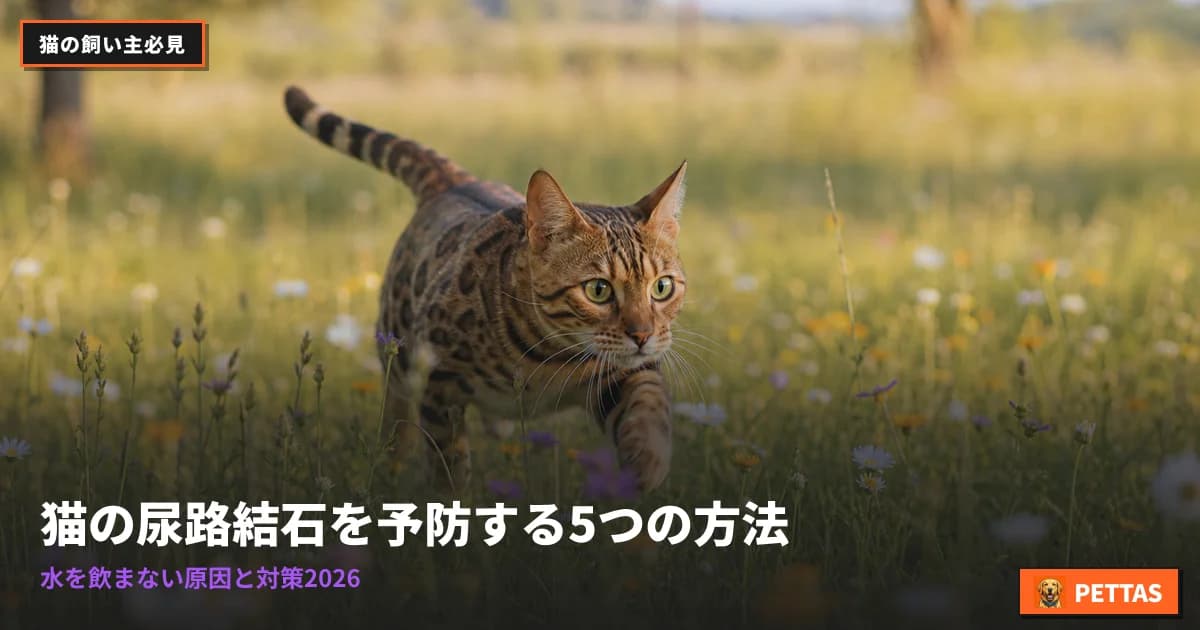
5 Vet-Approved Ways to Prevent Cat Urinary Stones (2026)

PETTAS Editorial Team
Up-to-date pet health guidance
Cat urinary stones affect 1 in 8 cats. Learn 5 science-backed steps to boost hydration and pick the right food. Quick-action checklist inside.
Contents(8)
Last updated: 2026-05-30
Is your cat making repeated trips to the litter box but producing little to no urine? That is one of the most alarming signs a cat owner can notice, and it could point to urinary stones.
Feline urinary stones, particularly struvite and calcium oxalate types, are estimated to affect 10 to 15% of cats at some point in their lives. In male cats, a urinary blockage can become life-threatening within 24 to 48 hours. The good news is that prevention is very much possible through diet and hydration management.
This guide walks you through exactly why urinary stones form and what you can do starting today.
Why Cats Are Prone to Urinary Stones: The "Concentrated Urine" Problem
Cats evolved in arid environments and are biologically wired to get most of their water from prey. This means their bodies are efficient at producing highly concentrated urine — which works fine in the wild but creates a problem for indoor cats on dry kibble diets.
When urine is too concentrated, minerals like magnesium, phosphorus, calcium, and oxalate crystallize and can accumulate into stones over time.
Two Main Types of Cat Urinary Stones
| Type | Main Cause | Common Age | Urine pH |
|---|---|---|---|
| Struvite | Bacterial infection, high magnesium diet, alkaline urine | Young to middle-aged | High (alkaline) |
| Calcium oxalate | High calcium diet, acidic urine, genetics | Middle to senior (7+ years) | Low (acidic) |
Struvite stones can often be dissolved with a prescription diet, while calcium oxalate stones typically require surgery. Early prevention matters enormously.
5 Reasons Your Cat Is Not Drinking Enough Water (And What to Do)
Low water intake is the single biggest risk factor for urinary stones in indoor cats. Here is why cats avoid drinking, and how to fix each cause.
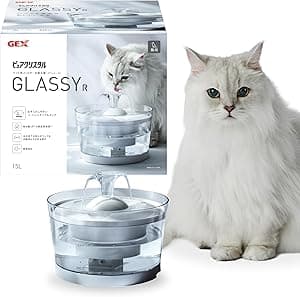
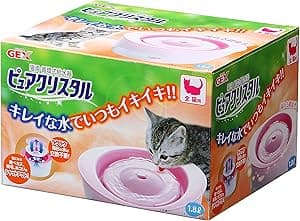
1. The water does not smell fresh Cats have a powerful sense of smell and will avoid water that smells of chlorine or has been sitting for hours. Solution: change water at least twice a day or use a circulating fountain. A pet water fountain keeps water moving and oxygenated, which many cats find far more appealing.
2. The bowl placement or shape is wrong Cats dislike drinking near their litter box, and many dislike bowls deep enough to touch their whiskers. Place water dishes in at least two separate locations, away from the litter area, and try wide, shallow dishes.
3. Dry food only Dry kibble contains roughly 10% moisture. Wet food contains 70 to 80%. A cat eating only dry food is relying entirely on its water bowl for hydration, and many simply do not compensate enough. Mixing even a small amount of wet food into meals can meaningfully increase daily fluid intake.
4. Low activity levels An indoor cat that barely moves will rarely feel thirsty. Aim for at least 15 to 20 minutes of active play per day. Increased activity boosts metabolism and naturally increases water consumption.
5. Stress from environmental changes Changes in the home — a new family member, seasonal shifts, rearranged furniture — can cause cats to eat and drink less. If water intake drops suddenly, check for stressors first.
How to Choose the Right Food: Reading a Cat Food Label for Urinary Health
Not all cat foods marketed as "urinary care" are equal. Here is what to actually look for on the label.
Urinary Health Checklist for Cat Food
- Magnesium content at 0.1% or below (dry matter basis)
- Phosphorus content between 0.5% and 0.8%
- High moisture (wet or gravy-style preferred)
- Animal protein listed as the first ingredient
- Label states "urinary pH support" or "urine acidification"
- Calcium-to-phosphorus ratio close to 1:1 to 1.5:1
The Most Common Mistake: Assuming Any Cat Food Is Fine
Many owners assume that because a food is labeled for cats, it accounts for urinary health. In reality, mineral content varies widely between brands and product lines. "All life stages" formulas and treat-style products are often the least controlled for magnesium and phosphorus.
Also watch out for high-magnesium human foods like shrimp, squid, and processed cheese if you supplement your cat's diet with table scraps.
7 Early Warning Signs of Urinary Stones to Watch For
Does your cat show any of these signs? Catching them early can mean the difference between a simple diet change and emergency surgery.
- Frequent trips to the litter box with little or no output
- Crying or straining while urinating
- Urine that looks dark orange or pink-tinged
- Urinating outside the litter box suddenly
- Excessive licking of the genital area
- Loss of appetite or lethargy
- Flinching or reacting when the lower abdomen is touched
When to go to the vet immediately: If a male cat has not produced any urine in 6 to 12 hours and is straining, treat it as an emergency. Urethral obstruction is fatal without prompt treatment.
3 Actions You Can Take Today
-
Add a second water bowl in a new location — Place it in a different room from the litter box and try a wider, shallower dish or a circulating fountain. Many cats increase water intake noticeably within one to two weeks.
-
Check your current food label — Look up the magnesium and phosphorus percentages. If there is no urinary support claim, consider switching at the next purchase.
-
Log litter box visits for one week — Note frequency and urine color. Knowing your cat's normal baseline makes it much easier to spot early warning signs.
FAQ
Q1. How much does cat urinary stone treatment cost?
A. A prescription struvite-dissolving diet typically costs USD 30 to 80 per month. Surgical removal for calcium oxalate stones or treatment for a urinary blockage can range from USD 500 to over USD 2,000 depending on severity and hospitalization. Prevention is far more cost-effective.
Q2. At what age should I start urinary stone prevention?
A. Transitioning to an adult diet with urinary support at around 12 months of age is a good baseline. Cats with a history of urinary issues may need dietary management earlier, as directed by a veterinarian.
Q3. Does a water fountain actually help prevent urinary stones?
A. Multiple studies and clinical reports suggest that increased water intake reduces urinary mineral concentration, which is a key risk factor. Cats that drink from fountains tend to consume 20 to 40% more water than those drinking from static bowls, though individual results vary.
Q4. What is the difference between a urinary care food and a prescription diet?
A. Over-the-counter urinary care foods are designed for long-term prevention in healthy cats. Prescription diets are formulated to dissolve existing struvite stones or prevent recurrence and should only be used under veterinary guidance.
Q5. Can calcium oxalate stones be prevented with diet?
A. Unlike struvite, calcium oxalate stones cannot be dissolved through diet. However, keeping your cat well-hydrated to dilute urine and avoiding excessive calcium and vitamin D supplementation are the most evidence-supported preventive measures.
Track Hydration and Litter Habits with PETTAS
Keeping a daily log of litter box visits and water intake sounds straightforward, but it is easy to forget during a busy week. That is exactly why I built PETTAS — to give cat owners a simple system for noticing changes before they become emergencies.
With PETTAS, you can:
- Log daily health observations on a visual timeline
- Track weight trends to catch obesity early (a key urinary stone risk factor)
- Share records with family members or a partner
- Use AI-assisted health analysis to flag patterns worth discussing with your vet
Building a habit of daily logging takes less than 30 seconds, and over time it creates an invaluable health history for your cat.
Start recording today: PETTAS Official Site
References
- Merck Veterinary Manual — Urolithiasis in Small Animals — Comprehensive reference on feline urinary stone types, pathophysiology, and treatment
- Cornell University College of Veterinary Medicine — Feline Lower Urinary Tract Disease — Evidence-based overview of FLUTD causes, diagnosis, and prevention
- AAHA Nutritional Assessment Guidelines for Dogs and Cats — Standards for evaluating pet food composition and dietary management
- AVMA — Companion Animal Nutrition — Guidance on feline dietary needs and preventive nutritional care
- NIH PubMed — Feline Urolithiasis Research — Peer-reviewed studies on struvite and calcium oxalate prevalence and dietary interventions
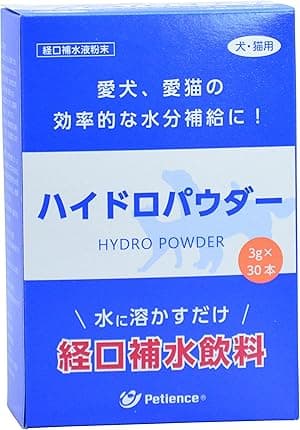
Recommended products3 picks
#ad Contains Amazon affiliate links
Pet diary
Track the small changes in your cat's routine
Daily one-tap logs of appetite, weight, and bathroom habits. Spot stress signs earlier and explain them clearly to your vet.
All features free for 14 days — no card required
Get the latest articles by email
Weekly updates on pet health, medications, and insurance — straight to your inbox.
Share this article
Related Articles
7 Cat Stress Signs Owners Miss: Vet-Approved Fixes (2026)
2026-05-29

7 Early Signs of Cat Kidney Disease: Home Checklist (2026)
2026-05-28

Indoor Cat? 5 Best Cat Foods by Age & Condition (2026)
2026-05-18

Best 5 Cool Mats & Heat Relief Products for Cats in 2026 | Summer Comfort Guide
2026-05-04
Best 5 Cat Grooming Brushes for Shedding Season 2026: Find the Right One for Your Cat
2026-04-26