

5 Warning Signs: Dog & Cat Ear Infections in Rainy Season (2026)

PETTAS Editorial Team
Up-to-date pet health guidance
Humidity spikes ear infections in dogs and cats. Spot 5 early signs, learn safe cleaning steps, and know when to call your vet. Free checklist inside.
Contents(9)
Last updated: 2026-06-04
Is your dog shaking their head more than usual, or your cat constantly scratching at their ear? When humidity climbs above 70% during the rainy season, the warm, moist environment inside a pet's ear canal becomes a breeding ground for bacteria and yeast — and ear infections can develop within days.
According to veterinary dermatology data, otitis externa (outer ear infection) is one of the most common conditions seen in dogs, with cases rising sharply between June and August. Cats are less frequently affected but are far from immune, especially to ear mite infestations and fungal infections.
In this guide, you will learn exactly why humid weather triggers ear problems, how to spot the five early warning signs, and the step-by-step ear care routine that can keep your pet comfortable all summer.
Why Humidity Causes Ear Infections in Dogs and Cats
A dog's ear canal is shaped like an "L," with a vertical section leading to a horizontal section before reaching the eardrum. This anatomy, while well-suited to hearing, traps moisture, warmth, and debris far more readily than the human ear canal.
When indoor humidity reaches 70-80% — common during prolonged rainy seasons — the temperature and moisture inside the ear canal rise enough to support rapid bacterial and yeast (Malassezia) overgrowth. The result is inflammation, discharge, and significant discomfort.
Pets at higher risk:
- Dogs with floppy ears (the ear flap covers the canal, reducing airflow)
- Dogs or cats with heavy ear hair (hair retains moisture)
- Pets who swim, play in puddles, or get caught in the rain frequently
- Pets with known allergies or compromised skin barrier function
5 Early Warning Signs of Ear Infection (Checklist)
Ear infections often show up as behavioral changes before obvious physical symptoms appear. Check your pet against this list:
- Head shaking more than 3 times in a single session
- Repeatedly scratching the base of the ear with a hind leg
- Rubbing the ear against the floor, furniture, or your leg
- Visible redness or swelling inside the ear flap
- Dark brown, black, or waxy discharge — more than a small amount
- A sweet, musty, or sour smell coming from the ear
- Flinching, growling, or pulling away when the ear is touched
Score guide:
- 1-2 checks: Start regular at-home ear care
- 3-4 checks: Schedule a vet visit within the week
- 5 or more: Seek veterinary attention promptly
The Right Way to Clean Your Pet's Ears (Step-by-Step)
Common Mistakes to Avoid
Mistake 1: Using cotton swabs inside the ear canal. Swabs push debris deeper and can abrade the delicate canal lining. Reserve swabs for the visible outer flap only.
Mistake 2: Cleaning every day. Over-cleaning disrupts the ear's natural flora and can cause more irritation than it prevents. For a healthy pet, once or twice a month is sufficient.
Mistake 3: Using plain water. Water left in the canal raises humidity and encourages microbial growth. Use a veterinarian-recommended ear cleaning solution that promotes quick evaporation.
Step-by-Step Ear Cleaning Routine
- Inspect the ear flap — check for redness, cuts, or excessive discharge before touching anything
- Apply a few drops of ear cleaning solution to the entrance of the ear canal (follow product dosing)
- Gently massage the base of the ear for 10-15 seconds — you should hear a soft squelching sound
- Let your pet shake their head — this loosens and expels debris naturally; do not stop them
- Wipe the inner ear flap with a cotton ball or gauze — never insert anything into the canal
Recommended cleaning frequency:
| Ear Type | Frequency |
|---|---|
| Healthy, upright-eared pet | Once a month |
| Floppy-eared or heavy ear hair | 2-3 times per month |
| During rainy season / high humidity | Add 1 extra session per month |
| Currently treating ear infection | Follow vet's specific instructions |
Recommended Ear Care Products
For routine ear maintenance, choosing a gentle, vet-grade cleaner makes a real difference. Here are two trusted options used in veterinary clinics:
 Nolvasan Otic Ear Cleaning Solution 118mlcontains chlorhexidine for antibacterial and antifungal action; commonly used in clinics for Malassezia preventionAmazonで価格をチェック
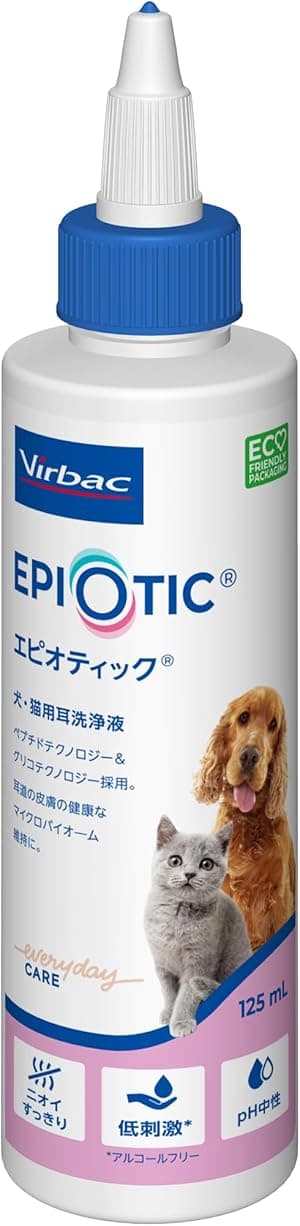 Virbac Epi-Otic Ear Cleaner 125mlhelps restore ear canal pH balance while lifting debris; low-irritant formula suitable for regular useAmazonで価格をチェック
When to See a Vet: Do Not Wait on These Signs
Home care is for prevention and mild upkeep. Get to a clinic without delay if you see:
- Black or dark brown discharge in large amounts (likely Malassezia or bacteria)
- Any bleeding or pus-like discharge from the ear
- Head tilt that does not correct itself (possible middle ear involvement)
- Severe pain response when the ear is touched
- No improvement within 2-3 days of home care
- Both ears affected simultaneously (often an allergy-related presentation)
Treating a mild outer ear infection typically costs USD 30-80 at a routine visit. Middle ear infections (otitis media) can run USD 200-500 or more per session. Prevention is clearly the better investment.
3 Actions You Can Take Today
- Check your pet's ears tonight — smell them, look at the color of any discharge, and note whether your pet reacts. If everything looks and smells normal, log it as your baseline.
- Pick up an ear cleaning solution — one bottle lasts months. Pair it with your regular grooming routine so it does not get skipped.
- Record today's observation — even a one-line note ("ears look clean, no odor") gives you a reference point when something changes in two weeks.
FAQ
Q1. How often should I clean my dog's or cat's ears?
A. For a healthy pet with upright ears, once a month is a reasonable baseline. Floppy-eared dogs or pets with heavy ear hair benefit from 2-3 cleanings per month, especially during humid months. Over-cleaning disrupts natural flora and can cause irritation, so more is not always better.
Q2. Can cats really get ear infections from humidity?
A. Yes, though it is less common than in dogs. Fungal infections and ear mite infestations are the leading causes in cats. If you notice dark, coffee-ground-like debris and frequent scratching in both ears, ear mites are a strong possibility — and they are contagious to other pets in the household.
Q3. Is it safe to use hydrogen peroxide or rubbing alcohol to clean ears?
A. No. Both substances can damage the delicate ear canal tissue and are too harsh for routine use. Always use a product formulated specifically for pet ear care. When in doubt, ask your veterinarian for a recommendation.
Q4. My dog keeps shaking their head after a bath. Is that normal?
A. Some head shaking immediately after bathing is normal as pets try to clear water from their ears. However, if head shaking continues 30 minutes or more after the bath, or if you notice a new odor, there may be water trapped in the canal. A quick application of ear cleaning solution can help clear it out.
Q5. How much does treating an ear infection cost?
A. A straightforward outer ear infection visit typically runs USD 30-80 including examination and medication. If a culture and sensitivity test is needed, add USD 50-100. Middle ear infections requiring imaging or specialist referral can cost significantly more. Routine prevention is far less expensive in the long run.
Track Ear Care with PETTAS
One of the most common things pet owners say after an ear infection diagnosis is: "I'm not sure when I last cleaned them." That gap in memory makes it hard to establish patterns and catch problems early.
PETTAS was built to solve exactly that — a health timeline where you can log ear checks, grooming sessions, vet visits, and any symptoms you notice, all in one place. You can share records with family members so care never falls through the cracks, and set reminders so rainy-season ear checks actually happen on schedule.
Start tracking today: PETTAS Official Site
References
- Merck Veterinary Manual - Otitis Externa in Dogs and Cats — clinical overview of causes, diagnosis, and treatment of ear infections in companion animals
- Cornell University College of Veterinary Medicine - Ear Infections — evidence-based guidance on pathophysiology and prevention of otitis externa
- AVMA - Pet Care Resources — general veterinary care guidelines for dog and cat owners
- AAHA Dermatology Guidelines — American Animal Hospital Association guidelines relevant to skin and ear health management
- Japan Veterinary Medical Association — domestic data on prevalence of dermatological and ear conditions in dogs and cats
Recommended products2 picks
#ad Contains Amazon affiliate links
Ready to start managing your pet's health with PETTAS?
Medication tracking, health logs, and family sharing in one app. 14-day free trial — all features included.
All features free for 14 days — no card required
Get the latest articles by email
Weekly updates on pet health, medications, and insurance — straight to your inbox.
Share this article
Related Articles

Rainy Season Pet Care: 5 Must-Have Grooming Picks (2026)
2026-06-02

Heartworm Season 2026: 3 Mistakes That Put Pets at Risk
2026-05-24

Cut $500/yr: 5 Ways to Lower Your Pet's Vet Bills (2026)
2026-05-23

5 Ways to Prevent Pet Heatstroke: Hydration Guide (2026)
2026-05-22

5 Early Signs of Pet Diabetes + Diet Tips (2026)
2026-05-19