

5 Rainy-Season Food Poisoning Risks for Pets (2026)

PETTAS Editorial Team
Up-to-date pet health guidance
Rainy season spikes pet gut issues by 40%. Learn 5 vet-backed prevention tips, a quick checklist, and warning signs to watch. Read the full guide now.
Contents(8)
Last updated: 2026-06-15
Is your dog or cat dealing with loose stools or a sudden loss of appetite this June? You're not alone.
The rainy season -- when both temperature and humidity rise simultaneously -- is one of the highest-risk periods for digestive issues in pets. According to Japan Veterinary Medical Association data, gastrointestinal visits increase by approximately 1.4x during summer months (June through August) compared to winter. The biggest mistake owners make? Chalking it up to the heat and waiting too long to act.
This guide breaks down the 5 most common reasons pets get food poisoning or gut trouble during the rainy season, with a practical checklist and specific steps you can take today.
Why Rainy Season Triggers Digestive Problems in Dogs and Cats
Temperatures around 25-28°C (77-82°F) combined with humidity above 70% create near-ideal conditions for bacterial growth. What's safe at room temperature in February can harbor dangerous mold or bacteria within 24-48 hours in June.
Here are the 5 key culprits:
1. Kibble spoils faster than you think Once opened, dry pet food exposed to humid air can develop surface mold within 24-48 hours in rainy season conditions. Zip-locking the original bag is not enough. Transfer kibble to an airtight container and use it within 3-4 weeks of opening.
2. Water bowls become bacterial breeding grounds High humidity means water in bowls doesn't evaporate, but it does warm up. Lukewarm, standing water allows E. coli and Salmonella to multiply. Refresh water at least twice daily (morning and evening) and scrub the bowl 2-3 times per week.
3. Gut flora becomes unstable Temperature fluctuations greater than 5°C (9°F) across consecutive days reduce populations of beneficial bacteria in the intestinal microbiome. This leaves pets more vulnerable to opportunistic pathogens -- meaning a small exposure that would normally be harmless can trigger diarrhea.
4. Puddle water and scavenging on walks Rainy-season puddles can contain Leptospira bacteria (a zoonotic risk), washed-out organic waste, and environmental mold spores. Even a quick lap from a puddle can be enough to cause GI upset or, in rare cases, infection.
5. Leftover food sitting in the bowl When appetite drops in warmer weather, pets often leave food behind. In a room above 28°C (82°F), wet kibble or moistened food begins to degrade within 20-30 minutes. Remove any uneaten food after 20-30 minutes -- every time.
Quick Prevention Checklist
- Purchase kibble in quantities you can use within 3-4 weeks
- Store opened kibble in an airtight container in a cool, dry spot
- Refrigerate opened wet food and discard after 24 hours
- Refresh water bowls at least twice per day
- Wash water and food bowls 2-3 times per week
- Remove uneaten food within 20-30 minutes of serving
- Prevent drinking from puddles or streams during walks
- Consult a vet if diarrhea or vomiting persists for more than 24 hours
Warning Signs You Should Not Ignore
Owners frequently underestimate early symptoms. Here's when to act:
| Symptom | Action |
|---|---|
| Vomiting or diarrhea lasting over 24 hours | Visit vet within the day |
| Blood in stool or vomit | Immediate vet visit |
| Refusing water, lethargic | Immediate vet visit |
| 5%+ body weight loss in 1 week | Vet visit within 2-3 days |
| Loss of appetite for 3+ days | Vet visit within 3 days |
Kittens, puppies, and senior pets (dogs 7+, cats 10+) dehydrate faster and need earlier intervention.
Supporting Gut Health Through the Rainy Season
Beyond prevention, proactively supporting your pet's digestive system from early June can reduce vulnerability to seasonal gut disruption. Probiotic supplements containing Lactobacillus strains are commonly used in veterinary practice to help stabilize gut flora during periods of environmental stress.
Always consult your vet before starting supplements if your pet has an existing condition. For healthy pets, starting supplementation at the beginning of the rainy season (early June) is a reasonable approach.
Useful gut-support and hygiene items for the rainy season:
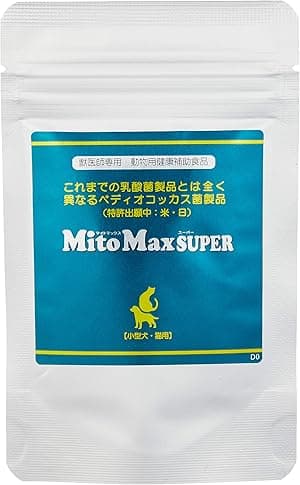 MytomaxS Super Probiotic (small dogs and cats, 60 capsules)- Lactobacillus and digestive enzyme formula; supports intestinal flora balance during high-humidity monthsAmazonで価格をチェック
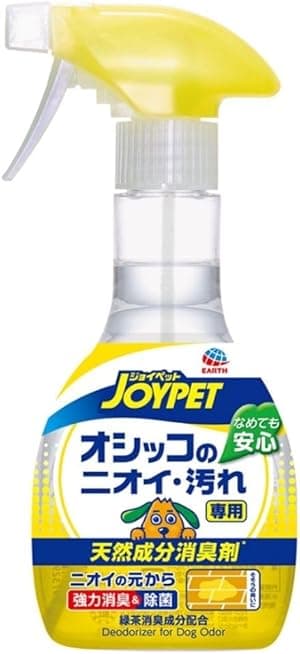 Joypet Natural Deodorizer for Urine and Stains 270ml- Natural-ingredient cleaner ideal for sanitizing areas after digestive accidentsAmazonで価格をチェック
3 Actions You Can Take Today
- Check your kibble storage right now -- Write the date you opened the bag on a piece of tape and stick it on the container. Takes 10 seconds and prevents the "when did I open this?" guessing game.
- Wash the water bowl today -- Make this the start of a twice-weekly habit. Schedule the next wash day in your phone calendar before you put the bowl back.
- Set a 20-minute food timer -- Use your phone timer every meal. When it goes off, remove what's left. This single habit dramatically reduces the risk of bacterial contamination from leftover food.
FAQ
Q1. How long can I keep an open bag of dry pet food?
A. Use opened kibble within 3-4 weeks, or within 2-3 weeks during the rainy season and summer. Writing the opening date on the bag makes tracking easy.
Q2. My dog drank from a puddle on our walk. Should I go to the vet?
A. Monitor closely for 12-24 hours. If vomiting, diarrhea, or lethargy appears, contact your vet. In areas where Leptospira is common, earlier consultation is advisable.
Q3. When should I start giving my pet probiotic supplements?
A. For healthy pets with no existing conditions, beginning at the start of the rainy season (early June) as a preventive measure is reasonable. Always check with your vet if your pet has a health history.
Q4. Can I switch foods if my pet's appetite drops?
A. Avoid sudden food changes, which can worsen digestive instability. If a switch is needed, transition gradually over 7-10 days by mixing increasing amounts of the new food with the old.
Q5. Is it safe to leave wet food at room temperature between meals?
A. Not during warm months. Once opened, wet food should be refrigerated and consumed within 24 hours. At room temperatures above 28°C (82°F), opened wet food deteriorates within 30-60 minutes.
Track It All with PETTAS
The habits in this guide work best when they're shared and logged consistently -- especially across households where multiple family members feed and care for a pet.
PETTAS was built to solve exactly that problem. You can use it to:
- Log symptoms as they happen -- precise records of when vomiting or diarrhea started make vet consultations faster and more accurate
- Track weight changes -- catch appetite-related weight loss early with a visual graph
- Share real-time updates -- family members can see who fed the pet last and whether food was removed on time
- Set reminders -- supplement schedules, bowl-washing days, and vet appointments, all in one place
Start building the habit today: PETTAS official site
References
- Japan Veterinary Medical Association (nichiju.or.jp) -- Seasonal trends in gastrointestinal disease incidence in companion animals
- Ministry of Agriculture, Forestry and Fisheries -- Pet Food Safety Guidelines -- Regulatory guidance on proper pet food storage and quality control
- Ministry of the Environment -- Standards for Keeping and Managing Companion Animals -- Official hygiene and husbandry standards for pet owners in Japan
- National Institute of Infectious Diseases -- Leptospirosis Overview -- Transmission routes and prevention of zoonotic Leptospira infection
- Merck Veterinary Manual -- Salmonellosis in Small Animals -- Clinical overview of Salmonella infection in dogs and cats, including prevention strategies
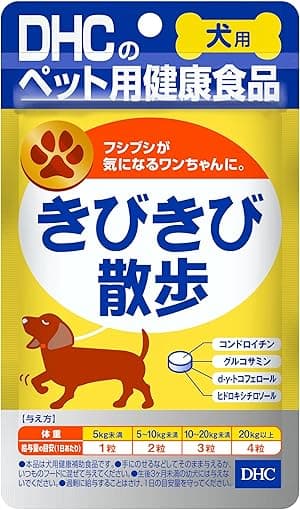
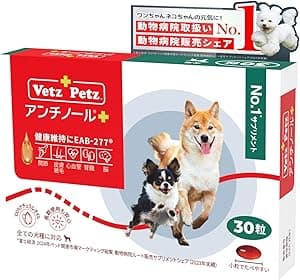
Recommended products4 picks
#ad Contains Amazon affiliate links
Ready to start managing your pet's health with PETTAS?
Medication tracking, health logs, and family sharing in one app. 14-day free trial — all features included.
All features free for 14 days — no card required
Get the latest articles by email
Weekly updates on pet health, medications, and insurance — straight to your inbox.
Share this article
Related Articles

5 Steps to Fix Pet Bad Breath & Tartar in Rainy Season (2026)
2026-06-16

5 Warning Signs: Dog & Cat Ear Infections in Rainy Season (2026)
2026-06-04
Rainy Season Pet Care: 5 Must-Have Grooming Picks (2026)
2026-06-02

Heartworm Season 2026: 3 Mistakes That Put Pets at Risk
2026-05-24

Cut $500/yr: 5 Ways to Lower Your Pet's Vet Bills (2026)
2026-05-23