

5 Steps to Fix Pet Bad Breath & Tartar in Rainy Season (2026)

PETTAS Editorial Team
Up-to-date pet health guidance
80% of dogs over 3 have gum disease. Humidity accelerates plaque buildup fast. Learn 5 vet-approved steps to clean your pet's teeth at home. Quick-pick chart inside.
Contents(9)
Last updated: 2026-06-16
Noticed your pet's breath smelling worse lately? You are not imagining it. The rainy season — with its combination of heat and high humidity — creates ideal conditions for oral bacteria to thrive, making it one of the worst times of year for dental health in dogs and cats. According to veterinary surveys, approximately 80% of dogs and 70% of cats over the age of 3 show signs of periodontal disease. This guide explains exactly why the rainy season accelerates oral problems, what warning signs to watch for, and how to build a practical home care routine step by step.
Why Humidity Makes Dental Problems Worse
Three factors combine during the rainy season to accelerate plaque and tartar buildup.
1. Bacterial growth speeds up. The oral cavity is already warm, and higher ambient humidity shortens the doubling time of oral bacteria. Plaque starts forming within 24 to 48 hours after a meal under normal conditions — and in humid weather, that process moves even faster.
2. Reduced saliva production. When temperatures rise but activity levels drop (as often happens during prolonged rainy periods), pets may drink less water. Reduced hydration leads to lower saliva output. Saliva contains antimicrobial components that naturally flush the mouth, so less of it means more bacterial buildup.
3. Dental care gets deprioritized. Rainy season brings skin and coat problems to the forefront for many pet owners, meaning teeth brushing often gets pushed aside. Studies suggest fewer than 20% of pet owners brush their pet's teeth regularly.
How Tartar Forms — and Warning Signs You Might Miss
The progression is straightforward: food debris leads to plaque, and plaque mineralizes into tartar. In dogs and cats, plaque can harden into tartar in as little as 3 to 5 days — far faster than in humans (roughly 20 days).
Warning Signs Checklist
- Your pet resists having their mouth touched more than usual
- Eating more slowly or chewing only on one side
- Yellow or brown discoloration along the gum line
- Red, swollen, or bleeding gums
- Strong, sulfur-like or fishy odor from the mouth
- Frequent sneezing or nasal discharge (possible tooth root abscess)
- Pawing at the face repeatedly
If two or more of these apply, schedule a veterinary visit soon. Periodontal disease that progresses into the gum pockets can eventually destroy the bone supporting the teeth, and oral bacteria entering the bloodstream have been linked to complications affecting the heart, kidneys, and liver.
5-Step Home Dental Care Routine
Forcing a toothbrush into your pet's mouth on day one is a recipe for failure. The key is gradual desensitization over several weeks.
Step 1: Get your pet comfortable with mouth handling (1-2 weeks)
Using a treat as a reward, gently touch around the muzzle and lips. Lift the lip to expose the teeth briefly. Start with 20 to 30 seconds per session and gradually extend.
Step 2: Introduce pet-safe toothpaste with your finger (1-2 weeks)
Apply a small amount of pet-formulated toothpaste to your fingertip and rub along the gum line. Never use human toothpaste — it contains fluoride and often xylitol, both of which are toxic to dogs and cats.
Step 3: Introduce a toothbrush (2 weeks onward)
Choose a brush with a small head and soft bristles. Hold it at a 45-degree angle to the gum line and use gentle circular motions. Aim for the outer surfaces of the upper back teeth, front teeth, and canines — a 1 to 2 minute session covering these areas makes a significant difference.
Target frequency: daily. Minimum effective frequency: 3 times per week.
Step 4: Add dental chews as a supplement
Dental chews work through the mechanical action of chewing to slow plaque accumulation. They do not replace brushing — they cannot clean below the gum line — but they meaningfully support a brushing routine.
Step 5: Schedule professional cleanings
Professional scaling under anesthesia is the only way to remove existing tartar, especially from the subgingival (below gum line) areas. For small dogs and cats, costs typically range from USD 200 to 500 depending on the clinic and the extent of disease. Anesthesia-free dental scaling is not recommended by major veterinary dental organizations as it cannot address subgingival disease and carries injury risk.
Recommended Dental Care Products
Starting with the right tools makes a real difference in building a consistent routine. Here are products that match the steps above.
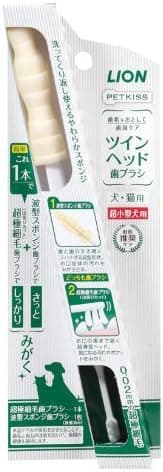 LION PETKISS Twin-Head Toothbrush for Extra-Small Dogsdual-head design covers both outer and inner surfaces simultaneously; great once your pet is comfortable with brushingAmazonで価格をチェック
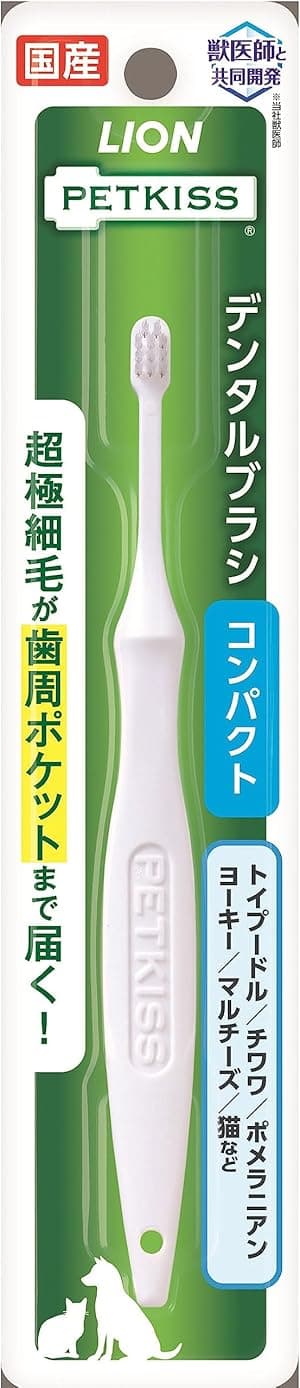 LION PETKISS Compact Toothbrushsmall head works well for cats and very small dogs during the initial training phaseAmazonで価格をチェック
 Greenies Plus Dental Chews for Extra-Small Dogs (2-7 kg / 4-15 lbs)VOHC-recognized chew that reduces plaque and tartar through mechanical abrasionAmazonで価格をチェック
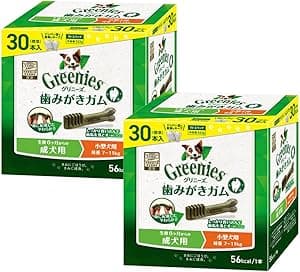 Greenies Plus Dental Chews for Small Dogs (7-11 kg / 15-24 lbs)same formula in a size appropriate for slightly larger small breedsAmazonで価格をチェック
When to See a Veterinarian
Home care is prevention. It cannot reverse existing disease. Contact your vet if you notice:
- Visible brown or black tartar buildup
- Persistent bad breath that worsens suddenly
- Red, swollen, or bleeding gums
- Decreased appetite or one-sided chewing
- Facial swelling, especially below the eye (sign of tooth root abscess)
3 Things You Can Do Today
- Lift your pet's lip tonight and look. Check for discoloration and gum redness against the checklist above. Even if everything looks fine, note it as a baseline — you will want to compare over time.
- Buy pet-safe toothpaste this week and start finger rubbing. Just the act of getting your pet used to something touching their gums is meaningful progress. Keep sessions under a minute.
- Ask about a dental check at your next routine visit. Adding one sentence — "Could you take a look at the teeth?" — to your next vet appointment costs nothing and can catch issues early.
FAQ
Q1. When should I start dental care for a puppy or kitten?
A. Begin mouth-handling exercises as soon as you bring them home, typically around 8 to 12 weeks. Building comfort with mouth contact early makes brushing far easier after adult teeth come in — around 6 to 7 months for dogs and 5 to 6 months for cats.
Q2. My cat absolutely refuses the toothbrush. What can I do?
A. Break the desensitization into even smaller steps and spend more time at each stage — sometimes 3 to 4 weeks per step. Liquid dental additives (added to drinking water) and dental wipes can serve as partial substitutes while you keep working toward brushing. Pairing every mouth-touching session with a high-value reward is essential.
Q3. Are dental chews enough on their own?
A. Dental chews help reduce plaque on the crown (visible surface) of teeth but cannot address the subgingival areas where periodontal disease originates. They are best used as a supplement to brushing, not a replacement.
Q4. How much does professional dental cleaning cost?
A. In Japan, professional scaling under anesthesia including pre-anesthetic blood work typically ranges from approximately USD 200 to 500 (roughly 30,000 to 70,000 JPY) for small dogs and cats. Severe cases requiring extractions cost more. Pet insurance may cover a portion depending on policy terms.
Q5. Is anesthesia-free dental scaling safe and effective?
A. Major veterinary dental organizations, including the American Veterinary Dental College and the American Animal Hospital Association, do not recommend anesthesia-free scaling. It cannot safely or effectively clean below the gum line, which is where periodontal disease develops, and carries a risk of oral injury.
Track Dental Care with PETTAS
Knowing you should brush your pet's teeth every day is the easy part. Actually remembering to do it — especially on busy evenings — is where most routines break down. And when was the last professional cleaning? If you are not sure, you are not alone.
PETTAS was built to solve exactly these problems. Set daily brushing reminders, log professional cleaning dates on a shareable health timeline, and give every family member visibility into the care schedule. Turning good intentions into consistent habits is what the app is designed for.
-> Start tracking dental care in PETTAS
References
- Japan Veterinary Medical Association (JVMA) — domestic prevalence data for periodontal disease in dogs and cats; general oral health management guidelines
- American Veterinary Dental College (AVDC) — Periodontal Disease — international classification and treatment standards for small animal dental disease
- AAHA Dental Care Guidelines for Dogs and Cats — 2019 guidelines covering anesthesia protocols, scaling procedures, and home care recommendations
- Merck Veterinary Manual — Dental Disease in Small Animals — detailed explanation of plaque-to-tartar progression, periodontal staging, and systemic effects
- FDA Animal Health — Pet Dental Health — regulatory guidance on dental products and Veterinary Oral Health Council (VOHC) seal standards
Recommended products4 picks
#ad Contains Amazon affiliate links
Ready to start managing your pet's health with PETTAS?
Medication tracking, health logs, and family sharing in one app. 14-day free trial — all features included.
All features free for 14 days — no card required
Get the latest articles by email
Weekly updates on pet health, medications, and insurance — straight to your inbox.
Share this article
Related Articles

5 Warning Signs: Dog & Cat Ear Infections in Rainy Season (2026)
2026-06-04

5 Rainy-Season Food Poisoning Risks for Pets (2026)
2026-06-15

Rainy Season Pet Care: 5 Must-Have Grooming Picks (2026)
2026-06-02

Heartworm Season 2026: 3 Mistakes That Put Pets at Risk
2026-05-24

Cut $500/yr: 5 Ways to Lower Your Pet's Vet Bills (2026)
2026-05-23