

3 Must-Know Tips: Dog Ear & Skin Care in Rainy Season (2026)

PETTAS Editorial Team
Up-to-date pet health guidance
Vet visits for dog ear infections spike 30-40% in humidity. Learn causes, daily checks, and post-surgery wound care. Free checklist inside.
Contents(8)
Last updated: 2026-06-18
Is your dog scratching their ears more than usual this time of year? You're not alone. Veterinary consultations for ear infections and skin conditions increase by an estimated 30-40% during the rainy season, when indoor humidity regularly climbs above 70-90%. That warm, moist environment is exactly what bacteria and yeast thrive in -- and for dogs recovering from surgery, the stakes are even higher.
This guide explains why the rainy season hits dogs so hard, what symptoms to watch for, and how to manage post-surgical wound care when humidity is working against you.
Why Rainy Season Triggers Ear Infections and Skin Problems in Dogs
A dog's ear canal is L-shaped, which naturally traps moisture. Add high ambient humidity, and you have a perfect breeding ground for Malassezia (yeast) and bacteria like Pseudomonas aeruginosa and Staphylococcus. Dogs with floppy ears or dense coats are especially vulnerable.
For skin issues, the same humidity disrupts the balance of the skin's microbiome, leading to "hot spots" -- areas of acute moist dermatitis that can expand from a small patch to 5-10 cm (2-4 inches) wide within just a few hours.
Common Mistakes Pet Owners Make
- Wiping the body after walks but ignoring the ears -- moisture stays trapped in the ear canal
- Skipping the drying step after baths -- residual water in the ear accelerates yeast growth
- Using cotton swabs deep in the ear canal -- this pushes debris further in and worsens inflammation
Daily Ear and Skin Check: 7-Point Checklist
Run through this checklist 2-3 times per week during the rainy season.
- Frequent ear scratching or head shaking has increased
- The inside of the ear looks red or swollen
- Brown, black, or yellow discharge is visible
- A sour or yeasty smell is coming from the ear
- Your dog winces or pulls away when the ear is touched
- Patches of redness, hair loss, or oozing skin are visible
- Excessive licking or chewing of the body, paws, or skin folds
If 3 or more apply, consult your vet within 48 hours.
Post-Surgery Wound Care in High Humidity: 5 Steps
If your dog has recently had ear surgery (such as ear canal ablation) or a skin procedure (hot spot excision, tumor removal), the rainy season creates additional wound management challenges. Moist conditions can raise bacterial infection risk at the surgical site by an estimated 3-5 times.
5-Step Rainy Season Post-Op Protocol
- Check the wound twice daily (morning and evening). Look for redness, swelling, discharge, or odor. Soft, whitish skin edges around the wound signal excessive moisture (maceration).
- Keep the area clean and dry. After walks, towel-dry the entire body, then use a hair dryer on low heat held at least 30 cm (12 inches) away to gently dry the wound area.
- Keep the Elizabethan collar (e-collar) on during unsupervised time and sleep for at least 7-14 days post-op. Never leave the dog alone without it.
- Replace wet bandages immediately. "Slightly damp" is enough to create a bacterial environment. Do not wait.
- Keep indoor humidity below 60%. Use a dehumidifier or air conditioner's dry mode, especially around the dog's sleeping area.
When to Call the Vet Immediately
- Fresh bleeding from the surgical site
- Intense redness, warmth, or swelling around the wound
- Pus or foul-smelling discharge
- Sutures that have come loose or skin that has reopened
- Loss of appetite, lethargy, or fever above 39.5 degrees C (103.1 degrees F)
Recommended Ear and Skin Care Products for Rainy Season
These products can support your daily ear and skin care routine during high-humidity months.
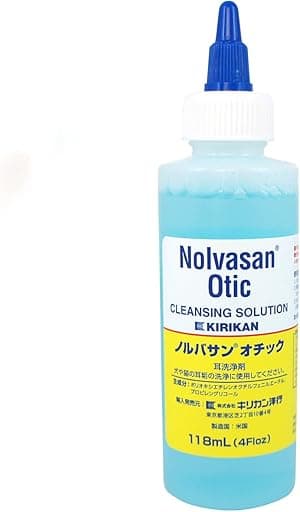 Nolvasan Otic Ear Cleanser 118ml- A chlorhexidine-based ear cleaning solution commonly used by vets. Use 1-2 times per week; follow with gentle cotton ball wipe-outAmazonで価格をチェック
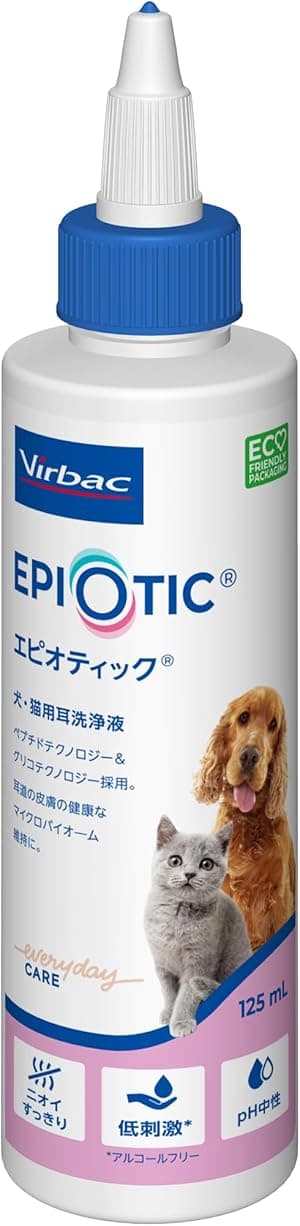 Virbac Epi-Otic Peptide Ear Cleanser 125ml- pH-balancing formula that inhibits Malassezia and bacteria. Gentle enough for repeated use during flare-up seasonsAmazonで価格をチェック
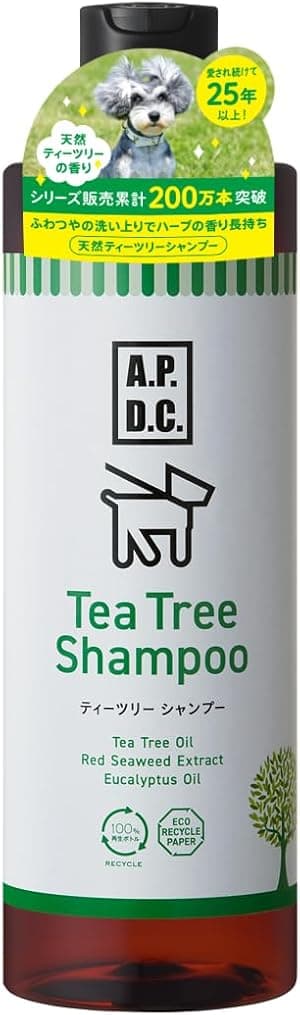 A.P.D.C. Tea Tree Shampoo 500mL- Natural tea tree oil formula to support skin hygiene. Use 2-3 times per month during the rainy season for preventive skin careAmazonで価格をチェック
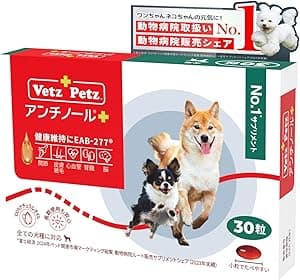 Antinol Plus Supplement for Dogs 30 capsules- High-concentration omega-3 (PCSO-524) to support skin barrier function. Give 1 capsule per 10 kg (22 lbs) body weight dailyAmazonで価格をチェック
3 Actions You Can Start Today
- Start the "3-minute post-walk ear routine." Every time you come home from a walk, wipe the outer ear canal gently with a clean cotton pad and towel-dry the entire body. This one habit significantly reduces the chance of developing otitis externa.
- Set a weekly "ear and skin check day." Pick a consistent day each week and run through the 7-point checklist above. Early detection dramatically lowers treatment costs and your dog's discomfort.
- Make indoor humidity visible. Place a hygrometer near your dog's sleeping area. When it reads above 65%, switch on the air conditioner's dehumidify mode. Moisture management starts with awareness.
FAQ
Q1. How often should I clean my dog's ears during the rainy season?
A. For healthy ears, once or twice a week is a safe guideline. If your dog already has diagnosed otitis externa, follow your vet's prescribed frequency -- over-cleaning can disrupt the healthy ear environment and worsen inflammation.
Q2. How long does wound healing take after ear surgery in humid conditions?
A. Standard skin sutures are typically removed at 7-14 days, but in high humidity, healing may take 10-14 days or longer due to higher infection risk. Monitor the wound daily and contact your vet at the first sign of any problem.
Q3. When can my dog be bathed after surgery?
A. Generally, bathing is safe only after sutures are removed (10-14 days post-op) and your vet has confirmed the wound is fully closed. Before that, use a warm damp cloth to clean areas away from the wound.
Q4. Can I treat a hot spot at home?
A. Minor hot spots may improve with careful clipping of the fur around the area and keeping it clean and dry. However, if the area is larger than 3 cm (1.2 inches), spreading rapidly, or producing pus, see a vet within 24 hours. Self-treatment of infected hot spots often leads to worsening.
Q5. Will my dog's ear infection resolve on its own after the rainy season ends?
A. Mild cases may improve as humidity drops, but if an infection is already established, antifungal or antibiotic treatment is usually required. Untreated chronic otitis can lead to thickening of the ear canal, eardrum perforation, or permanent hearing loss.
Track Ear Care and Post-Op Recovery with PETTAS
One of the biggest challenges with rainy season ear care and post-surgical monitoring is simply keeping track: "Did I clean the ears today?" "What did the wound look like three days ago?"
That gap in record-keeping is part of why I built PETTAS. With PETTAS, you can:
- Set medication reminders so ear drops and antibiotics are never missed
- Log the wound's condition with photos on the health timeline to spot trends
- Use family sharing so everyone in the household knows what's been done
- Get insights from AI health analysis based on your logs
Keeping a clear record also helps your vet make better decisions at follow-up visits. Start tracking today: PETTAS official site
References
- Japan Veterinary Medical Association (JVMA) -- Guidelines on canine otitis externa, treatment protocols, and preventive care
- Ministry of the Environment, Japan -- Animal Welfare and Management -- Standards for healthy pet environments and husbandry
- Merck Veterinary Manual -- Otitis Externa in Dogs -- Comprehensive international reference on causes, diagnosis, and treatment of ear infections in dogs
- AAHA Wound Management Guidelines -- Evidence-based recommendations for post-surgical wound care and infection prevention in companion animals
- NIH PubMed -- Malassezia dermatitis seasonal patterns in dogs -- Peer-reviewed research on yeast-related skin and ear conditions and their seasonal correlation
Recommended products5 picks
#ad Contains Amazon affiliate links
Family sharing
Share every care note with the whole family
Walks, training notes, vaccinations, and meds in one place. No more 'did you give the meds?' messages in the family chat.
All features free for 14 days — no card required
Get the latest articles by email
Weekly updates on pet health, medications, and insurance — straight to your inbox.
Share this article
Related Articles

5 Rainy Season Skin Problems in Dogs: Vet-Approved Fixes (2026)
2026-06-13

5 Best Indoor Dog Toys for Rainy Days: Puzzle & Nose Work (2026)
2026-06-10

60C Pavement: 4 Dog Walk Mistakes Causing Heatstroke (2026)
2026-05-17

Dog Harness Types Explained: Mesh vs Power vs Vest -- Complete Buying Guide 2026
2026-05-07

Best 5 Dog Water Bottles for Walks & Travel 2026|Beat the Heat This GW Season
2026-05-05