

5 Steps: Raise a Kitten in Rainy Season Safely (2026)

PETTAS Editorial Team
Up-to-date pet health guidance
Kitten born in humid season? Skin fungus, food spoilage & weaning mistakes spike in June. 5 vet-based steps inside. Quick-pick checklist included.
Contents(9)
Last updated: 2026-06-05
Did you just take in a newborn kitten during the rainy season -- and now you're wondering where to even start?
According to Japan's Ministry of the Environment, roughly 60% of cats taken in by shelters or individuals are under 3 months old, and the majority are born in spring and early summer. That means right now, in the middle of June, is peak kitten season. And with humidity regularly exceeding 70% during the rainy season, the combination of a kitten's undeveloped immune system and a mold-and-bacteria-friendly environment creates a uniquely challenging situation for new owners.
This guide walks you through 5 concrete steps for raising a kitten born in the rainy season -- covering weaning, socialization, skin care, indoor enrichment, and vet visits -- with specific timelines and common mistakes to avoid.
Step 1: Know the Development Milestones by Age
Before anything else, it helps to map what's happening at each stage so you know what to prioritize.
| Age | Key Development | Your Role |
|---|---|---|
| 0-2 weeks | Eyes/ears closed, cannot regulate body temp | Feed every 2-3 hours, keep warm (30-32 C / 86-90 F) |
| 3-4 weeks | Eyes and ears open, baby teeth emerge | Begin introducing weaning food |
| 4-6 weeks | Starts running, begins eliminating independently | Offer small amounts of wet food |
| 6-8 weeks | Transition to solid food | Introduce moistened dry kibble |
| 8-12 weeks | Socialization window fully open | Actively expose to sounds, handling, environments |
| 12 weeks+ | First vaccination window | First vet visit, start vaccine schedule |
Common mistake #1: Continuing bottle feeding beyond 3-4 weeks without introducing solid food. Late weaning can delay digestive development and lead to picky eating in adulthood.
Step 2: Weaning in Rainy Season -- and the Food Safety Risk Most Owners Miss
When and How to Start Weaning
The target window is 3 to 4 weeks of age. Here is a practical progression:
- Week 3+: Dab a small amount of kitten-formula wet food on your finger and let the kitten lick it
- Weeks 4-5: Offer wet food in a shallow dish (no deeper than 1 cm / 0.4 in) 4-5 times per day
- Weeks 6-8: Begin mixing in dry kibble softened with warm water (around 40 C / 104 F)
- Weeks 8-10: Gradually reduce moisture and shift toward dry kibble as the main diet
The Humidity Problem With Wet Food
This is the single most overlooked hazard of raising kittens in June. At 25 C (77 F) and 70% humidity, bacteria in wet food can multiply rapidly within 30 minutes of being set out.
- Serve wet food in single-meal portions only -- discard anything left after 30 minutes
- Wash and fully dry the food dish after every meal
- Store opened dry kibble in an airtight container in a cool, dry location (refrigeration is acceptable during the rainy season)
- Never mix fresh food into leftover food from a previous meal
Common mistake #2: Topping off a bowl with fresh food without washing it first. In humid conditions, this is a leading cause of kitten diarrhea and vomiting.
Step 3: The 8-12 Week Socialization Window -- Indoor-Friendly Methods
The kitten socialization window peaks at 2-7 weeks and remains effective until around 12 weeks. Experiences -- or lack thereof -- during this window shape a cat's lifelong temperament. Sounds, surfaces, handling, and environments that seem routine to you can become lifelong fears if a kitten never encounters them before 12 weeks.
5 Indoor Socialization Activities for Rainy Days
- Sound exposure: Play recordings of thunder, vacuum cleaners, hair dryers, and rain at low volume for 5-10 minutes per day and gradually increase
- Handling practice: Touch the kitten's ears (inside too), paws, and mouth gently for at least 10 minutes per day -- this builds tolerance for grooming and vet exams
- Carrier desensitization: Leave a carrier open in the room with treats inside so the kitten voluntarily enters -- this prevents carrier phobia before it starts
- Food puzzles and enrichment: Treat-dispensing balls engage natural foraging instincts and compensate for lost outdoor stimulation on rainy days
- Nail and toothbrush introduction: Touch the paws and mouth with a soft toothbrush now, and future grooming will be dramatically easier
Recommended Items for Indoor Enrichment
Here are a few items that work well for rainy-day socialization and enrichment:
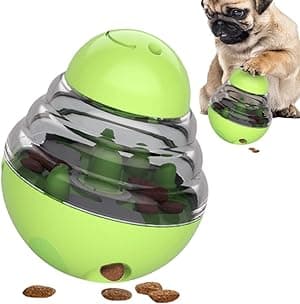 Treat Ball / Food Puzzle Toy for Cats and Dogs- Encourages foraging behavior and mental stimulation; great substitute for outdoor activity on wet daysAmazonで価格をチェック
 Richell Camping Carry Fine Double Door S- Two-door design makes carrier training much easier; ideal for socialization and vet visitsAmazonで価格をチェック
 Mio Kitten Nursing Bottle with Spare Nipple- For kittens under 3 weeks; adjustable angle reduces aspiration riskAmazonで価格をチェック
Common mistake #3: Raising a kitten in complete silence because it seems calmer. Kittens with no sound exposure often develop stronger fear responses to everyday noises as adults.
Step 4: Rainy-Season Skin and Infection Risks in Kittens
High humidity creates ideal conditions for fungal and bacterial growth, and kittens under 12 weeks are highly vulnerable. Here are the warning signs that owners most commonly miss:
Warning Signs Checklist
- Scratching at ears frequently or shaking the head (possible ear mites or otitis)
- Persistent eye discharge or nasal discharge (possible feline herpesvirus or calicivirus)
- Circular patches of hair loss on the skin (ringworm / dermatophytosis -- common in humid months, and transmissible to humans)
- Diarrhea lasting more than 2 consecutive days (possible coccidiosis or giardia)
- Body weight drops more than 10% within a single week (always a serious sign)
Rainy Season Hygiene Checklist
- Clean the litter box at least twice daily; remove damp litter immediately
- Wash and tumble-dry bedding at least once per week
- Keep indoor humidity below 60% using a dehumidifier or increased ventilation
- If introducing a new kitten to a multi-cat household, isolate for at least 2 weeks
When to See a Vet Within 24 Hours
- No interest in food for kittens under 8 weeks
- Rectal temperature above 39.5 C (103.1 F)
- Rapid or open-mouth breathing
- Vomiting and diarrhea occurring simultaneously
Recommended Items for Hygiene Management
Keeping the environment clean during the rainy season is non-negotiable with young kittens.
 JoyPet Natural Enzyme Deodorizer -- Urine Formula 270ml- Plant-derived formula, safe for use around kittens; neutralizes ammonia odors effectivelyAmazonで価格をチェック
 Unicharm DeoToilet Antibacterial Deodorizing Sheet 20pk- Antibacterial coating helps control odor and bacteria in the litter box during humid monthsAmazonで価格をチェック
Step 5: Vaccination and First Vet Visit -- Timing It Right
The recommended window for a kitten's first vaccine is 8 weeks of age. However, during the rainy season, sitting in a crowded waiting room with an immunocompromised kitten carries real infection risk. Plan ahead:
- Weeks 6-7: Call your chosen veterinary clinic to schedule in advance; ask about cat-only waiting areas
- Week 8: First core vaccine (typically the FVRCP combination covering herpesvirus, calicivirus, and panleukopenia)
- Week 12: Second core vaccine booster
- Month 6 (approximately): Discuss spay or neuter options
If carrier training started in Step 3, the first vet visit will be far less stressful for both you and the kitten.
3 Actions You Can Take Today
- Check your kitten's current age and pick one priority task from the milestone table -- focus reduces overwhelm
- Post the humidity and hygiene checklist somewhere visible -- a fridge magnet or phone wallpaper works perfectly
- Start daily weight tracking at the same time each morning -- kittens can show meaningful weight changes within 24 hours, and early trends are the fastest way to catch problems before they become emergencies
FAQ
Q1. When should I start weaning a kitten?
A. Around 3-4 weeks of age is the standard recommendation. Begin with small amounts of kitten-formula wet food, and aim to complete the transition to dry kibble by 8-10 weeks. During the rainy season, always discard uneaten wet food within 30 minutes to prevent bacterial growth.
Q2. How long does the kitten socialization window last?
A. The most sensitive period is 2-7 weeks, with meaningful socialization still possible up to around 12 weeks. Exposure to sounds, handling, and environments during this window significantly reduces fear-based behaviors in adulthood.
Q3. My kitten has a circular bald patch on its skin. What is it?
A. This is a classic sign of ringworm (dermatophytosis), a fungal skin infection that spikes during humid months. It can spread to other pets and to humans, so take the kitten to a vet as soon as possible for a fungal culture and appropriate antifungal treatment.
Q4. How much does a kitten's first vaccination typically cost?
A. In Japan, a 3-in-1 core vaccine typically costs 3,000-6,000 JPY (approximately $20-40 USD) per dose, not including the initial consultation fee. Contact your clinic in advance for an accurate quote.
Q5. My kitten seems restless on rainy days. What can I do indoors?
A. Interactive play with a wand toy (2 sessions of 5-10 minutes per day) and food-dispensing puzzle toys are the most effective options. They address both the physical exercise deficit and the mental stimulation gap caused by being confined indoors.
Track Your Kitten's Health With PETTAS
Knowing what to do is one thing. Remembering to actually do it -- and record it -- every single day with a young kitten in the house is another challenge entirely.
PETTAS was built to solve exactly that. Daily weight graphs that make it easy to spot sudden drops, vaccine schedule reminders so nothing slips through, and a shared timeline that lets everyone in the household see what was recorded -- even when you're not home. If a vet asks "when did this start?", you'll have a real answer.
Every task described in this guide -- weaning logs, socialization notes, daily weight tracking, vaccination dates -- can be managed in one place.
Start tracking your kitten's health with PETTAS
References
- Ministry of the Environment, Japan: Animal Welfare and Management -- Source for cat intake statistics by age group
- Japan Veterinary Medical Association: Guidelines for Companion Animal Care -- Vaccination schedules and general health management recommendations
- Merck Veterinary Manual: Feline Husbandry and Disease Prevention -- Clinical reference for kitten infectious diseases and vaccination protocols
- Cornell Feline Health Center: Kitten Care -- Evidence-based guidance on weaning, socialization, and preventive health
- Ministry of Agriculture, Forestry and Fisheries, Japan: Pet Food Safety -- Regulatory reference for safe pet food handling and storage
Recommended products5 picks
#ad Contains Amazon affiliate links
Pet diary
Track the small changes in your cat's routine
Daily one-tap logs of appetite, weight, and bathroom habits. Spot stress signs earlier and explain them clearly to your vet.
All features free for 14 days — no card required
Get the latest articles by email
Weekly updates on pet health, medications, and insurance — straight to your inbox.
Share this article
Related Articles
5 Best Grooming Tools for Cat Shedding Season (2026)
2026-06-03
5 Ways to Cool Indoor Cats and Prevent Heatstroke (2026)
2026-05-31

5 Vet-Approved Ways to Prevent Cat Urinary Stones (2026)
2026-05-30

7 Cat Stress Signs Owners Miss: Vet-Approved Fixes (2026)
2026-05-29

7 Early Signs of Cat Kidney Disease: Home Checklist (2026)
2026-05-28