

Fleas in 2-3 Weeks: 5 Rainy Season Pet Pest Tips (2026)

PETTAS Editorial Team
Up-to-date pet health guidance
Humidity above 70% triggers flea explosions in weeks. Science-backed flea, tick, and indoor pest guide for dog and cat owners. Checklist inside.
Contents(8)
Last updated: 2026-06-17
Flea populations can complete a full life cycle in just 2 to 3 weeks when temperatures hit 25°C (77°F) and humidity climbs above 70%. If that sounds like your home during rainy season, read on — because the window to act is shorter than most pet owners realize.
This guide covers the biology behind the risk, five practical prevention steps you can start today, and the indoor environment mistakes that let pests multiply unnoticed.
Why Rainy Season Multiplies Flea and Tick Risk
Fleas become active above 13°C (55°F) and thrive in warm, humid conditions. A single female flea lays up to 50 eggs per day, and those eggs roll off your pet's coat onto carpets, sofa cushions, and floor gaps. In dry conditions, development slows. In humid conditions — think 70%+ relative humidity — eggs hatch and larvae mature into adults in as little as two to three weeks.
Ticks follow a different path. They wait in tall grass and latch onto passing animals during outdoor walks. Once indoors, an engorged tick that drops off can survive for months in bedding or carpet. Both parasites are more than just an itch problem:
- Fleas transmit tapeworm larvae and cause flea allergy dermatitis
- Ticks can carry serious illnesses including spotted fever rickettsia and, in parts of Asia, severe fever with thrombocytopenia syndrome (SFTS), which can also infect humans
5 Mistakes Pet Owners Make During Rainy Season
- Stopping prevention in late spring — Flea and tick activity continues well into October. Year-round prevention is the safest approach.
- Treating one pet but not the others — In a multi-pet household, any untreated animal becomes a reservoir. Treat every pet on the same day.
- Assuming indoor-only pets are safe — Fleas hitchhike indoors on clothing and shoes. Risk is lower for indoor pets, but it is not zero.
- Reacting after spotting a flea — By the time you see one adult flea, eggs and larvae already number in the hundreds in the surrounding environment.
- Applying spot-on treatment to the fur, not the skin — The active ingredient absorbs through skin. Part the coat and apply directly to the skin surface between the shoulder blades for full effectiveness.
Step-by-Step Prevention: 5 Actions That Actually Work
1. Veterinarian-Prescribed or Proven OTC Spot-On Treatments
Monthly topical spot-on treatments remain the most reliable baseline for flea and tick prevention. Prescription options from your vet may offer broader parasite coverage (including heartworm and intestinal parasites in a single product), while reputable over-the-counter spot-on products can provide solid protection when applied correctly.
Key rules:
- Apply once per month, same date each month
- Do not bathe your pet for 48 to 72 hours after application
- Never use dog-specific products on cats — certain pyrethroids are toxic to cats
For cats, always consult your veterinarian before selecting any topical product.
2. Flea Collars and Natural Sprays for Added Coverage
Layering protection gives better results than relying on a single method. A flea and tick collar can extend protection between spot-on doses, and a plant-derived repellent spray can be applied before walks as an additional barrier.
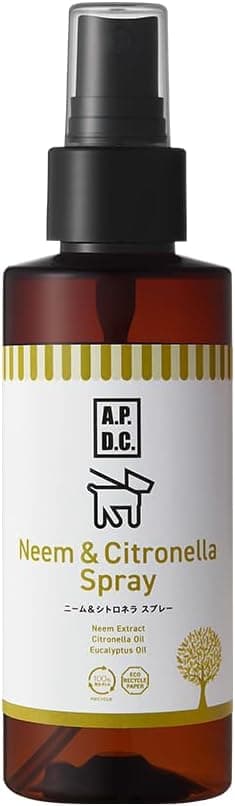
When choosing sprays, look for formulations with neem oil or citronella as active repellent ingredients. These do not kill parasites on contact but reduce the likelihood of attachment.
3. Weekly Bathing with Anti-Parasite Shampoo
During peak humidity months, weekly bathing does double duty: it removes allergens and debris from the coat and provides a short-term repellent or insecticidal effect, depending on the shampoo formulation. Dry the coat thoroughly after every bath — a damp coat in humid weather is itself a risk factor for skin problems.
4. Indoor Environment Control
Killing parasites on your pet without addressing the environment leads to rapid reinfestation. The American Veterinary Medical Association (AVMA) notes that up to 95% of a flea infestation lives in the environment, not on the animal.
Indoor control checklist:
- Wash all pet bedding and soft furnishings weekly in hot water (above 60°C / 140°F)
- Use a tick and flea environmental spray or fogger in low-traffic areas like under furniture
- Place a mite trap in carpeted rooms and replace monthly
- Keep indoor humidity at or below 60% using a dehumidifier
- Check window screens for gaps that allow mosquitoes to enter
5. Post-Walk Tick Checks as a Daily Habit
After every outdoor walk, run your hands through your pet's coat and check these high-risk spots:
- Around and inside the ears
- Around the eyelids
- Between the toes and under the paw pads
- Inner thighs and armpits
- Base of the tail
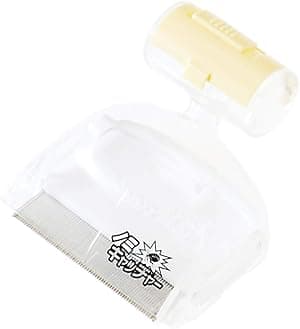
If you find an attached tick, do not pull it out with bare fingers. Use a dedicated tick removal tool and grip as close to the skin surface as possible. Twist gently and pull upward in one steady motion. Crushing or squeezing the tick's body increases the risk of pathogen transmission.
When to See a Veterinarian
Contact your vet promptly if you observe:
- Persistent scratching, red or raw skin, or hair loss
- Small dark specks (flea dirt) visible when parting the coat
- An embedded tick you cannot remove safely
- Fever, lethargy, or loss of appetite within two weeks of tick exposure
- Any adverse reaction after applying a topical product — vomiting, tremors, excessive drooling, or incoordination
Symptoms of tick-borne illness can appear 1 to 14 days after a bite. Keeping a log of walk locations and dates makes it far easier to give your vet an accurate history.
3 Actions You Can Take Today
- Check your spot-on treatment supply right now. If the last dose was more than 30 days ago, apply a fresh dose tonight or call your vet to schedule a prescription refill.
- Wash all pet bedding on a hot cycle. Sixty-degree wash followed by a full dryer cycle kills eggs and larvae hiding in fabric. Rainy season is the ideal time to make this a weekly routine.
- Do a 60-second tick check after your next walk. Ears, toes, inner thighs — three spots, 20 seconds each. Build it into your return-home routine before you even take off your shoes.
FAQ
Q1. When should flea and tick prevention start for a new pet?
A. Prevention can begin as early as 8 weeks of age for most products, but always confirm the minimum age and weight on the label or with your veterinarian. In warm climates, starting in late winter or early spring before peak season is ideal.
Q2. Are indoor-only cats really at risk?
A. Yes, though the risk is lower than for outdoor animals. Fleas can enter on human clothing or shoes, and mosquitoes carrying heartworm larvae can fly through window gaps. Year-round prevention is still recommended by most veterinary organizations for cats living in flea-endemic regions.
Q3. How much does monthly flea and tick prevention typically cost?
A. Over-the-counter topical treatments range from roughly $10 to $20 USD per month per pet depending on the product and animal size. Prescription combination products covering multiple parasites may cost $20 to $40 USD per month but can replace separate heartworm and flea treatments, reducing total spending.
Q4. Can I use a dog flea product on my cat to save money?
A. Never. Many dog-specific flea products contain permethrin or other pyrethroids at concentrations that are acutely toxic to cats and can cause seizures or death. Always use species-specific products.
Q5. How long after a tick bite can symptoms of illness appear?
A. Depending on the pathogen, symptoms can emerge anywhere from 1 to 14 days after the bite. If your pet was bitten and develops fever, reduced appetite, or unusual fatigue within two weeks, contact your veterinarian and mention the tick exposure.
Track Prevention Schedules with PETTAS
The most common flea prevention failure is not choosing the wrong product — it is forgetting to apply it on time, or not knowing when the last dose was given. In multi-person households, the "I thought you did it" problem is real.
PETTAS was built to solve exactly this. Log your pet's flea and tick treatment date once, and the app sends a reminder when the next dose is due. The family sharing feature means everyone in the household sees the same schedule.
If this article gave you a system to follow, PETTAS gives you the infrastructure to stick with it.
References
- AVMA: Fleas and Ticks (American Veterinary Medical Association) — Overview of parasite biology, transmission risks, and prevention strategies
- Merck Veterinary Manual: Flea Infestation in Dogs and Cats — Detailed lifecycle data and product mechanism explanations
- FDA Animal Health: Parasiticides (U.S. Food and Drug Administration) — Regulatory guidance on approved flea and tick treatments and safety alerts
- AAHA: Parasitic Disease Management Guidelines (American Animal Hospital Association) — Evidence-based clinical guidelines for year-round parasite prevention
- National Institute of Infectious Diseases Japan: SFTS — Epidemiology and public health risk data for tick-borne severe fever with thrombocytopenia syndrome
Recommended products5 picks
#ad Contains Amazon affiliate links



Ready to start managing your pet's health with PETTAS?
Medication tracking, health logs, and family sharing in one app. 14-day free trial — all features included.
All features free for 14 days — no card required
Get the latest articles by email
Weekly updates on pet health, medications, and insurance — straight to your inbox.
Share this article
Related Articles

Rainy Season Pet Care: 5 Must-Have Grooming Picks (2026)
2026-06-02

5 Steps to Fix Pet Bad Breath & Tartar in Rainy Season (2026)
2026-06-16

5 Rainy-Season Food Poisoning Risks for Pets (2026)
2026-06-15

5 Warning Signs: Dog & Cat Ear Infections in Rainy Season (2026)
2026-06-04

Heartworm Season 2026: 3 Mistakes That Put Pets at Risk
2026-05-24