

7 Early Signs of Heart Disease in Dogs & Cats (2026)

PETTAS Editorial Team
Up-to-date pet health guidance
Heart disease affects 40-50% of senior dogs. Spot 7 early warning signs, get a vet-approved prevention checklist, and act before symptoms worsen. Read now.
Contents(9)
Last updated: 2026-06-22
Is your dog coughing more often than usual? During the rainy season, high humidity and low air pressure create extra strain on your pet's cardiovascular system — and it happens more quietly than you'd expect. Studies suggest that heart disease affects approximately 40-50% of dogs over 10 years of age, and feline hypertrophic cardiomyopathy (HCM) is estimated to affect around 15% of the general cat population. The troubling part? Most pets show subtle signs months before an acute crisis. This guide walks you through 7 early warning signs of heart disease in dogs and cats, explains why the rainy season raises the risk, and outlines practical prevention steps you can start today.
Why the Rainy Season Is Harder on Your Pet's Heart
High humidity forces the body to work harder to regulate temperature, putting extra load on the heart. Frequent low-pressure systems during the rainy season cause blood vessels to dilate, which can worsen symptoms of congestive heart failure. On top of that, reduced outdoor activity leads to gradual weight gain — and just 1 kg (2.2 lbs) of excess body weight can increase cardiac workload by an estimated 10-15%.
In short, the rainy season piles on three cardiovascular risk factors simultaneously: heat stress, barometric pressure changes, and weight gain. That's exactly why this is the right time to pay closer attention.
7 Early Warning Signs: A Checklist for Dog and Cat Owners
Heart disease earns its reputation as a "silent" condition because early symptoms are easy to dismiss. Run through this checklist and be honest with yourself.
- Tires more quickly than before, or stops mid-walk to rest
- Dry, persistent cough — especially at night or early morning (more common in dogs)
- Faster or shallower breathing at rest (over 30 breaths/min in dogs; 40 in cats is a red flag)
- Abdomen looks rounder or fuller (possible sign of fluid buildup)
- Decreased appetite or unexplained weight loss
- Gums or tongue appear pale, white, gray, or bluish
- Any episode of fainting, stumbling, or sudden hind-limb weakness
Even one checked item warrants a call to your veterinarian. Pale or blue gums and fainting are emergencies — don't wait.
How Symptoms Differ Between Dogs and Cats
| Symptom | Dogs | Cats |
|---|---|---|
| Cough | Very common | Rare (can mimic asthma) |
| Breathing difficulty | Common | Most common early sign |
| Loss of appetite | Moderate | Often the first red flag |
| Fluid buildup | Abdominal (ascites) | Chest cavity (pleural effusion) |
| Exercise intolerance | Noticeable | Hard to detect indoors |
Cats are masters at hiding illness. By the time labored breathing becomes visible, the condition may already be advanced. This is why routine cardiac screening by a vet is so important for cats, especially breeds known to carry HCM risk.
3 Mistakes Pet Owners Commonly Make
Mistake 1 — Dismissing coughing as hairballs or reverse sneezing. In dogs, an enlarged heart can press on the trachea and trigger a characteristic honking cough. If the cough happens mostly at night, after lying down, or during rest — not just after excitement — cardiac causes need to be ruled out.
Mistake 2 — Chalking symptoms up to "just getting old." Fatigue and appetite changes are real symptoms, not inevitable aging. Dogs and cats aged 7 and older benefit from a cardiac examination (auscultation, chest X-ray, ideally echocardiography) at least once a year.
Mistake 3 — Not tracking body weight at home. Heart failure can cause the paradox of weight gain from fluid retention while the pet is actually losing muscle mass. Monthly weigh-ins give you objective data that no amount of visual assessment can replace.
Recommended Items
Monthly weight tracking is one of the simplest and most powerful tools for early detection. Here are items that make it easier:
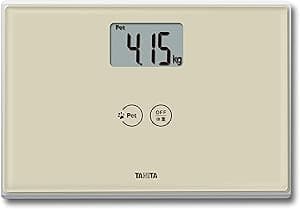 TANITA CA-100A Digital Pet ScaleReads in 10 g increments, suitable for small dogs and cats. Ideal for monthly check-ins.Amazonで価格をチェック
 Pet Health Record Notebook (60 pages)Log weight, medications, and vet visits in one place. Invaluable at appointments.Amazonで価格をチェック
 Antinol Plus Dog Supplement (30 capsules)Contains natural ETA and EPA for cardiovascular and joint support. Ask your vet if it suits your pet.Amazonで価格をチェック
Prevention and Slowing Progression
Diet and Weight Control
Reduce sodium intake: excess sodium encourages fluid retention, which directly increases cardiac load. If your vet has diagnosed heart disease, ask about transitioning to a prescription cardiac diet. For all dogs and cats, aim to keep body weight within ±10% of the breed- and age-appropriate ideal.
Indoor Exercise During the Rainy Season
Complete rest is not the answer. Muscle wasting from inactivity weakens the entire cardiovascular system. Short, gentle play sessions — 10 to 15 minutes at a pace where breathing quickens slightly but the pet recovers quickly — are a good target for most pets without advanced disease.
Recommended Screening Schedule
| Age | Frequency | Suggested Tests |
|---|---|---|
| Up to 6 years | Annually | Auscultation, weight, physical exam |
| 7-10 years | 1-2x per year | Above + chest X-ray, echocardiogram |
| 11+ years | 2-3x per year | Above + bloodwork (NT-proBNP, etc.) |
When to Seek Emergency Veterinary Care
Do not wait for a scheduled appointment if you observe:
- Resting respiratory rate above 30 breaths/min (dogs) or 40 breaths/min (cats)
- Gums, tongue, or nail beds turning white, gray, blue, or purple
- Open-mouth breathing in a cat (always an emergency)
- Sudden collapse, fainting, or paralysis of the hind legs
- Refusal to eat for more than 24 hours combined with lethargy
3 Actions You Can Take Today
-
Count resting breaths tonight. While your pet sleeps, count chest or belly movements for 30 seconds and multiply by 2. Normal: under 20 breaths/min for dogs, under 30 for cats. Note the number in your phone with tonight's date.
-
Weigh your pet this week. If you have no baseline, today is day zero. Set a monthly calendar reminder to repeat the measurement.
-
Ask your vet specifically about cardiac screening. At the next visit — even a vaccine appointment — say: "I'd like a cardiac check included." For pets over 7, add: "Should we consider chest X-rays or an echo?"
FAQ
Q1. When should I start heart disease screening for my dog?
A. For small and medium breeds, routine cardiac auscultation is recommended from around age 5-6. Large breeds may benefit from starting at age 4-5. Certain breeds with known genetic predisposition should be screened earlier — consult your vet for breed-specific guidance.
Q2. How can I tell the difference between a heart cough and a regular cough in dogs?
A. A cardiac cough tends to happen at rest or during the night, often after lying down, and sounds dry and honking. It may worsen when the dog drinks water or gets excited. If the cough has been present for more than 2 weeks or is worsening, schedule a vet visit rather than waiting.
Q3. How much does cardiac treatment typically cost?
A. Initial diagnostics (echocardiogram, chest X-ray, bloodwork) typically run USD 300-800. Ongoing medication for managed heart disease can cost USD 50-200 per month depending on drug combinations. Pet insurance — purchased before diagnosis — can significantly offset these costs.
Q4. Is exercise safe for a dog with heart disease?
A. In mild to moderate stages, gentle activity is generally beneficial. Watch for coughing, heavy panting, or reluctance to continue — those are signals to stop. Your vet may recommend a specific activity limit based on the disease stage (ACVIM Class B, C, or D).
Q5. Do omega-3 supplements really help the heart?
A. There is growing veterinary evidence that EPA and DHA (from fish or marine oils) support cardiovascular health in both dogs and cats. They are not a substitute for prescribed medication, but may be used as complementary support. Always confirm dosing and safety with your veterinarian before starting any supplement.
Keep Track With PETTAS
Everything this article recommends — resting respiratory rate logs, monthly weight records, medication schedules, vet visit history — is exactly what PETTAS was built to organize. I developed this app because I saw how often critical health data lived only in a pet owner's memory, making it impossible to spot trends or communicate clearly with a vet.
With PETTAS you can:
- Track weight over time with a visual graph to catch subtle changes early
- Set medication reminders so cardiac medications are never missed
- Log daily observations (breathing, appetite, energy) as a timestamped health timeline
- Share records with family members so everyone stays aligned
- Generate an emergency QR card with your pet's health summary for urgent care situations
Start your free record today → PETTAS Official Site
References
- ACVIM Consensus Guidelines on Mitral Valve Disease in Dogs (2019) — International staging criteria and treatment initiation thresholds for canine MVD
- Merck Veterinary Manual — Cardiovascular Disease Overview — Comprehensive clinical reference for canine and feline cardiac conditions
- Cornell University College of Veterinary Medicine — Feline HCM — Epidemiology, diagnosis, and management of hypertrophic cardiomyopathy in cats
- AVMA — Preventive Pet Healthcare — Guidelines for age-appropriate wellness screening including cardiac evaluation
- Japan Veterinary Circulatory Society (JVCC) — Japanese clinical guidelines for small animal cardiac disease diagnosis and treatment
Recommended products5 picks
#ad Contains Amazon affiliate links


Ready to start managing your pet's health with PETTAS?
Medication tracking, health logs, and family sharing in one app. 14-day free trial — all features included.
All features free for 14 days — no card required
Get the latest articles by email
Weekly updates on pet health, medications, and insurance — straight to your inbox.
Share this article
Related Articles

3 Must-Know Pet Supplements for Rainy Season (2026)
2026-06-21

Top 5 Pet Cameras & Auto Feeders for Rainy Season (2026)
2026-06-20

5-Step Home Grooming Guide for Dogs & Cats (2026)
2026-06-19

Fleas in 2-3 Weeks: 5 Rainy Season Pet Pest Tips (2026)
2026-06-17

5 Steps to Fix Pet Bad Breath & Tartar in Rainy Season (2026)
2026-06-16