

5-Step Home Grooming Guide for Dogs & Cats (2026)

PETTAS Editorial Team
Up-to-date pet health guidance
Skin issues spike 40% in rainy season. Our 5-step home grooming routine stops fungal growth, hot spots & odor before they start. Quick-pick product chart inside.
Contents(9)
Last updated: 2026-06-19
Noticed your dog scratching more since the rainy season started? You're not imagining it.
According to the Japan Veterinary Medical Association, approximately 40% of annual canine skin disease cases occur during the summer-rainy season period. When humidity climbs above 70-80%, the warm, moist environment trapped beneath a pet's coat becomes a breeding ground for bacteria and Malassezia yeast — the same organisms responsible for hot spots, itchy ears, and that familiar damp-dog odor.
This guide walks you through a practical 5-step home grooming routine designed specifically for the rainy season, covering the right order, frequency, and the mistakes that make skin problems worse instead of better.
Why Rainy Season Demands a Different Grooming Approach
Standard grooming advice works fine for dry weather. But once humidity locks in, three factors combine to create real problems:
Microbial overgrowth: Moist skin folds — armpits, groin, between the toes, behind the ears — become ideal environments for bacterial and yeast proliferation within hours.
Incomplete shedding: Many dogs and cats finish their spring shed gradually. Remaining dead undercoat traps moisture against the skin, preventing it from drying even indoors.
Wet paws after walks: Rainy-day walks leave paws wet far longer than owners realize. Interdigital dermatitis (inflammation between the toes) is one of the most common presentations vets see from June through August.
Addressing all three requires adjusting not just how you groom, but when and how often.
The 5-Step Rainy Season Grooming Routine
Step 1: Brush Before You Bathe (2-3 times per week)
Always brush before bathing — never after. Wet fur causes existing tangles to contract and tighten into mats that are far harder to remove. For double-coated breeds, use a slicker brush to work from the skin outward in the direction of hair growth. For short-coated animals, a rubber curry brush or fine-toothed comb takes 60-90 seconds per session.
Priority areas: behind the ears, armpits, inner thighs, and base of the tail. These spots mat fastest and are the first to develop odor.
After brushing, run your fingers against the fur growth direction to feel the skin surface. Look for flaking, redness, or warmth — early signals that deserve attention before they escalate.
Step 2: Inspect Ears, Eyes, and Paws (Weekly)
Spend two minutes on a weekly inspection alongside your brushing session.
- Ears: Healthy ear canals appear pale pink with no discharge and only a mild odor. Dark brown buildup, a musty or sweet smell, or frequent head-shaking indicate early otitis and warrant a vet call within a few days.
- Eyes: A small amount of brownish discharge in the inner corner is normal. Excess discharge, cloudiness, or squinting is not.
- Paws: Dry thoroughly after every rainy walk. Once dry, apply a thin layer of paw balm to protect against softened, cracked pads. Cracked pads during the rainy season heal slowly and are painful.
For daily paw protection after walks:
Step 3: Shampoo (2-4 times per month during rainy season)
Standard recommendation is once or twice monthly, but during the rainy season, twice to four times per month is appropriate for most dogs. Cats typically self-groom adequately, but long-haired cats may benefit from a bath once per month.
Bathing protocol:
- Pre-soak with lukewarm water (36-38 C / 97-100 F) for 1-2 minutes
- Lather shampoo in your hands before applying — never pour directly onto the coat
- Massage with fingertip pads (not nails) for 3-5 minutes, paying extra attention to the belly, armpits, and between the toes
- Rinse for 60 seconds longer than you think is necessary — residual shampoo is a leading cause of contact dermatitis
- Towel-blot, then dry completely with a blow dryer
For rainy season skin support:
Step 4: Dry Completely Within 30 Minutes of Bathing
This is where most owners fall short. Air-drying feels gentler, but leaving moisture against the skin — especially in thick double coats — is precisely what triggers Malassezia-related skin infections.
Use a pet dryer or standard blow dryer on a low-heat setting held 30-40 cm (12-16 inches) from the skin. Part the fur and direct airflow at the root layer, not just the surface coat. The session is complete when you can press your palm flat against the skin and feel no coolness from residual moisture.
If your pet is noise-sensitive, start with the dryer off and allow them to sniff and investigate. Gradually introduce low-speed airflow over several sessions.
Step 5: Post-Groom Skin Checklist
Run through this checklist after every grooming session. Catching problems early — before a vet visit becomes urgent — saves time, stress, and money.
- Coat appears glossy and does not feel damp or greasy
- No visible redness, flaking, or crusting on skin
- Ear canals are pale pink with no excess discharge
- Paw pads are dry, intact, with no swelling between toes
- No excessive licking or scratching observed during/after session
- Eye discharge is minimal and brown (not yellow or green)
- No unusual odor from ears, skin folds, or coat
Common Owner Mistakes to Avoid
Mistake 1: Bathing without brushing first. Mats lock in during wetting and become nearly impossible to remove without scissors.
Mistake 2: Using human shampoo. Human skin is slightly acidic (pH 4.5-5.5), while dog skin sits at pH 6.5-7.5. Human shampoo disrupts the skin barrier and can trigger irritation within 24-48 hours.
Mistake 3: Grooming only when the pet looks dirty. Skin problems develop invisibly. Consistent weekly brushing is a diagnostic tool as much as a cosmetic one.
Mistake 4: Drying the surface but not the undercoat. Push the coat aside and test the base layer with your fingertips before declaring the session done.
When to See a Vet
Home grooming has limits. Book a veterinary appointment if you observe any of the following:
- Repeated scratching or licking of the same area for more than 3 consecutive days
- Skin that appears red-purple, is warm to the touch, or weeping
- Circular or patchy hair loss (possible ringworm, which is also transmissible to humans)
- Head-tilting or persistent ear-scratching that does not resolve in 24-48 hours
- Your pet cries or snaps during grooming in an area they previously tolerated
Recommended Items for Rainy Season Grooming
These are the items I personally consider most useful for keeping on top of coat and skin health during the wet season.
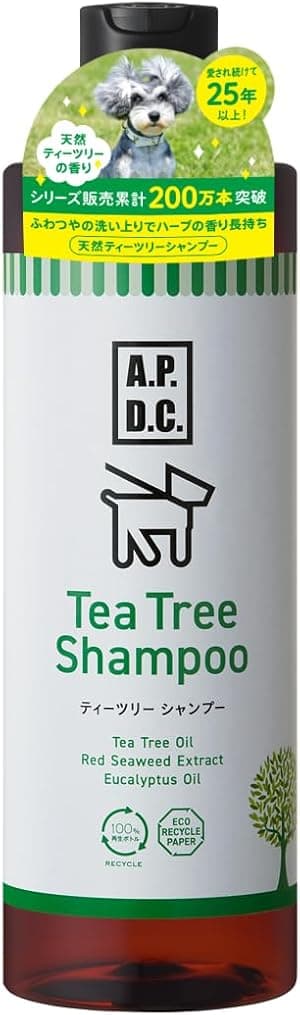 A.P.D.C. Tea Tree Shampoo 500mLantimicrobial, suitable for sensitive skin prone to seasonal flare-upsAmazonで価格をチェック
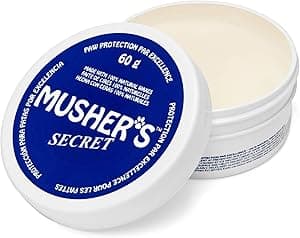 Musher's Secret Paw Protection Wax 60gsimple, effective barrier against wet-pavement irritationAmazonで価格をチェック
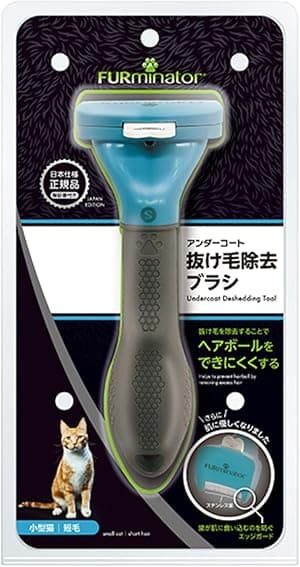 FURminator deShedding Tool - Small Cat Short Hairremoves loose undercoat efficiently, reducing moisture trapping in multi-layer coatsAmazonで価格をチェック
3 Actions You Can Take Today
- Do a 2-minute paw and ear check tonight. No tools needed — just look and smell. This single habit catches 80% of early issues before they require medication.
- Put your brush somewhere visible. Grooming frequency drops sharply when tools are stored out of sight. Place it near where your pet usually rests for easy access.
- Time your next drying session. Most owners spend 5-7 minutes drying a dog that actually needs 15-20. Measuring once calibrates your judgment for every session after.
FAQ
Q1. How often should I bathe my dog during the rainy season?
A. Aim for 2-4 times per month during humid weather. If your dog has a double coat or rolls in wet grass frequently, closer to once per week is acceptable as long as you use a moisturizing or pH-balanced shampoo. Skin condition — not the calendar — is your best guide.
Q2. Do cats need owner-assisted grooming during rainy season?
A. Yes, even self-grooming cats benefit from weekly brushing during shedding season. Ingested hair volume increases significantly, raising the risk of hairballs. Brushing also gives you a chance to inspect the skin for early signs of fungal issues, which cats can develop even indoors.
Q3. Is it safe to use tea tree shampoo on cats?
A. Standard tea tree products formulated for dogs should not be used on cats without explicit label confirmation. Cats metabolize compounds differently and can be sensitive to concentrated phenols. Always check that the product specifies cat safety, or consult your vet before use.
Q4. How much does professional grooming cost, and is it worth it in rainy season?
A. Professional grooming in Japan typically runs 3,000-10,000 JPY (approximately USD 20-70) depending on breed and coat length. During rainy season, professional trims to reduce coat length can significantly cut down on drying time and moisture retention. For heavy-coated breeds, it is often worth scheduling an appointment every 6-8 weeks from June through August.
Q5. Can I manage a mild skin rash with over-the-counter products at home?
A. Brief (under 48-hour) mild redness with no open skin or odor can reasonably be monitored at home with thorough drying and reduced friction on the area. However, without identifying the cause — bacterial, fungal, or allergic — topical products can mask symptoms while the underlying issue worsens. Any rash persisting beyond 3 days warrants a veterinary consultation.
Track Grooming and Skin Changes with PETTAS
One of the most useful things you can do for your pet's skin health is keep a simple log: when you bathed them, what you noticed, and whether symptoms improved or worsened over time. That timeline is exactly what a vet needs to make a diagnosis efficiently.
I built PETTAS specifically to make that kind of record-keeping frictionless. You can log grooming sessions, note skin observations, track body weight, and share updates with family members — all in one place. When you bring that data to your next appointment, you're walking in with context instead of guessing.
Start logging today: PETTAS Health Management App
References
- Japan Veterinary Medical Association (JVMA) — Seasonal distribution data for canine dermatological conditions in clinical practice
- Merck Veterinary Manual: Dermatitis in Small Animals — Evidence-based overview of bacterial and fungal skin disease etiology and management
- AAHA Grooming and Preventive Care Guidelines — Recommended shampoo frequency, coat care standards, and ear hygiene protocols
- Cornell University College of Veterinary Medicine: Skin Disorders — Clinical guidance on Malassezia dermatitis and interdigital furunculosis
- Ministry of the Environment Japan: Guidelines for Pet Care and Management — Domestic animal husbandry standards including hygiene and housing environment
Recommended products5 picks
#ad Contains Amazon affiliate links
Ready to start managing your pet's health with PETTAS?
Medication tracking, health logs, and family sharing in one app. 14-day free trial — all features included.
All features free for 14 days — no card required
Get the latest articles by email
Weekly updates on pet health, medications, and insurance — straight to your inbox.
Share this article
Related Articles

Fleas in 2-3 Weeks: 5 Rainy Season Pet Pest Tips (2026)
2026-06-17
Rainy Season Pet Care: 5 Must-Have Grooming Picks (2026)
2026-06-02

5 Steps to Fix Pet Bad Breath & Tartar in Rainy Season (2026)
2026-06-16

5 Rainy-Season Food Poisoning Risks for Pets (2026)
2026-06-15

5 Warning Signs: Dog & Cat Ear Infections in Rainy Season (2026)
2026-06-04