

5 Science-Based Habits to Extend Your Pet's Healthy Life (2026)

PETTAS Editorial Team
Up-to-date pet health guidance
Pets with obesity live 2 years less on average. Fix 5 key habits now: weight, gut, dental, brain play & records. Vet-approved guide inside. Start today.
Contents(9)
Last updated: 2026-06-25
Want your dog or cat to stay active and healthy well into old age? Most pet owners focus on "lifespan," but what really matters is healthy lifespan — the years your pet spends thriving, not just surviving. Research published in the Journal of the American Veterinary Medical Association found that overweight dogs lived nearly 2 years less than lean dogs. That's 2 more years of morning walks, lap time, and play.
This guide covers 5 specific, science-backed habits you can build starting today — with extra attention to the risks that come during rainy season (June-July in Japan), when humidity spikes and indoor life takes a toll on pets.
Habit 1: Weekly Weight Tracking
Obesity affects an estimated 50-60% of companion animals in developed countries, according to AVMA data. It's a leading driver of arthritis, diabetes, heart disease, and certain cancers in both dogs and cats.
The problem? Weight gain in pets is slow and invisible. A 0.2 kg (0.4 lbs) gain per month on a 5 kg (11 lbs) dog is nearly impossible to see — but over a year, that's a 4% body weight increase that raises disease risk significantly.
How to check body condition at home (Body Condition Score):
- Run your fingers along the ribcage: you should feel ribs with light pressure
- View from above: a visible waist behind the ribcage
- View from the side: abdomen tucked up, not hanging
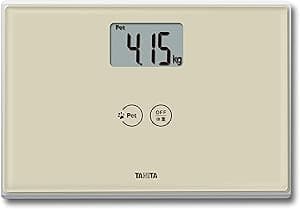
Weigh your pet once a week, at the same time of day, before meals. Even a basic digital scale works.
Habit 2: Support the Gut with the Right Supplements
Approximately 70% of the immune system is housed in the gut. During humid months, pet food spoils faster, and heat stress can disrupt the gut microbiome. Transition slowly between food batches, and use opened bags within 30 days.
Supplements can extend healthy lifespan when matched to your pet's actual needs:
| Goal | Key Ingredients | Best For |
|---|---|---|
| Gut health | Probiotics, prebiotics | All ages |
| Skin and coat | Omega-3 (EPA/DHA) | All ages, especially seniors |
| Joint support | Glucosamine, chondroitin | Age 7+ |
| Anti-aging | Vitamin E, CoQ10 | Age 7+ |
Common mistake to avoid: Never give human supplements to pets. Xylitol, certain vitamins (e.g., vitamin D in large doses), and herbal extracts can be toxic to dogs and cats. Always use pet-specific formulas.
Here are trusted supplements for gut, skin, and joint health:
 Mytomax Super Probiotic Capsules for Small Dogs & CatsProbiotic and digestive enzyme blend for gut flora balanceAmazonで価格をチェック
 Antinol Plus for Dogs - Omega-3 SupplementMarine-derived EPA/DHA to support skin, joints, and heartAmazonで価格をチェック
 DHC Joint Support Supplement for Dogs - 60 TabletsGlucosamine and chondroitin for mobility and leg strengthAmazonで価格をチェック
Habit 3: Brain Games on Rainy Days
Physical exercise matters — but cognitive stimulation is just as important for longevity. Canine cognitive dysfunction syndrome (similar to Alzheimer's) affects an estimated 14-35% of dogs over 8 years old. Regular mental challenges can slow cognitive decline significantly.
On days when outdoor walks aren't possible, try these indoor enrichment ideas:
- Nose work: Hide small treats in 5-6 spots around the room. Let your pet sniff them out. 10-15 minutes of this is as tiring as a 30-minute walk.
- Food puzzles: Replace part of mealtime with a puzzle feeder. It slows eating and engages problem-solving.
- New commands: Teach a new trick like "spin" or "bow" — 5 minutes twice a day is enough.
- Which hand?: Close a treat in one fist and let your pet guess. Works for cats too.
Habit 4: Dental Care 3+ Times Per Week
Dental health is one of the most overlooked factors in pet longevity. Studies show that 80% of dogs and 70% of cats over age 3 have some degree of periodontal disease. Bacteria from infected gums can enter the bloodstream, contributing to kidney disease, heart valve damage, and liver inflammation.
Early signs of dental trouble:
- Reluctance to be touched around the mouth
- Chewing only on one side
- Slower eating despite good appetite
- Increased drooling or frequent licking of lips
- Swelling along the nose bridge or under the eye (possible tooth root abscess)
Daily brushing is ideal, but even 3 times per week significantly reduces plaque buildup according to veterinary dental research. Start with finger contact, then progress to a soft-bristled toothbrush with pet-safe toothpaste.
When to see a vet: If tartar is brown or black and hard, gums are swollen or bleeding, or breath odor worsens suddenly — professional scaling under anesthesia is likely needed. Home care cannot reverse advanced periodontal disease.
Habit 5: Keep Records to Catch Changes Early
Pets that live long and healthy lives almost always have owners who noticed something small before it became something big. The key is consistent, written records — not just gut feelings.
Easy-to-miss warning signs to track:
- Drinking noticeably more water (early sign of diabetes, kidney disease, or Cushing's)
- Losing more than 5% of body weight in 4 weeks (thyroid disorder, tumor, GI disease)
- Changes in urination frequency (urinary tract issues)
- Stopping a daily behavior they used to do reliably (pain, cognitive decline)
Even a simple log — date, weight, appetite, stool quality, energy level — becomes enormously valuable when you bring your pet to the vet. Vague "seems a bit off" is harder to diagnose than "energy dropped 2 weeks ago, weight down 0.3 kg."
3 Actions You Can Take Today
- Weigh your pet right now — record the number somewhere. This is your baseline. Without it, you're managing blind.
- Check your pet's food storage — if the bag is open and stored somewhere warm or humid, move it to a cool, sealed container and write the open date.
- Touch your pet's mouth for 30 seconds tonight — not to brush, just to let them get used to it. Dental desensitization starts with simple, calm contact.
FAQ
Q1. At what age should I start thinking about my pet's healthy lifespan?
A. The best time is before the senior years begin — around age 5-6 for large dogs, and age 7 for small dogs and cats. Establishing baseline weight, dental health, and blood work at this stage gives you critical comparison data as your pet ages.
Q2. How long do supplements take to show results?
A. Joint supplements (glucosamine/chondroitin) typically require 4-6 weeks of consistent use before effects are noticeable. Omega-3 fatty acids for skin and coat improvement usually show visible changes in 2-3 months. Don't give up after 2 weeks.
Q3. Can indoor play really replace outdoor walks for dogs?
A. Not entirely — outdoor walks provide sensory variety and social stimulation that indoor play cannot fully replicate. But on rainy days, 15-20 minutes of nose work or food puzzle play can replace the physical and mental component of a 30-minute walk reasonably well.
Q4. How often should senior pets have health checkups?
A. The AAHA recommends annual exams for pets under 7 years old, and twice-yearly exams for pets 7 and older. Senior checkups should include bloodwork, urinalysis, and blood pressure measurement to catch kidney disease, diabetes, and heart conditions early.
Q5. My pet is already overweight. Where do I start?
A. Start with a vet visit to rule out underlying causes (hypothyroidism, hyperadrenocorticism). Then measure exact daily calorie intake — most overfeeding happens through "eyeballing" portions. Reduce food by 10-15% and reweigh monthly. Slow, steady loss of 1-2% body weight per month is the target.
Track It All with PETTAS
Everything in this article comes down to one thing: consistency over time. Weigh weekly. Give supplements daily. Brush teeth three times a week. Log behavior changes.
That's easy to commit to today — harder to keep up six months from now without a system.
I built PETTAS because I kept seeing pet owners miss early warning signs not because they didn't care, but because they had no way to see patterns across weeks and months. The app handles:
- Weekly weight logging with trend graphs
- Supplement and medication reminders (no more "did I give that today?")
- Health timeline to log appetite, stool, energy each day
- Family sharing — everyone in the household sees the same records
- AI health analysis to flag changes worth watching
Start logging today → PETTAS Official Site
References
- Kealy RD et al. "Effects of diet restriction on life span" JAVMA (2002) — Landmark study showing lean body weight extended dog lifespan by ~2 years
- AAHA Senior Care Guidelines for Dogs and Cats (AAHA) — Evidence-based recommendations for senior health screening frequency
- AVMA "Obesity in Companion Animals" Position Statement (AVMA) — Prevalence data and clinical impact of pet obesity
- Niemiec BA. "Periodontal Disease" Topics in Companion Animal Medicine (2008) — Review of periodontal disease prevalence and systemic effects in dogs and cats
- Landsberg GM et al. "Cognitive Dysfunction in Cats" JFMS (2010) — Research on feline cognitive dysfunction syndrome and risk factors
Recommended products5 picks
#ad Contains Amazon affiliate links

Ready to start managing your pet's health with PETTAS?
Medication tracking, health logs, and family sharing in one app. 14-day free trial — all features included.
All features free for 14 days — no card required
Get the latest articles by email
Weekly updates on pet health, medications, and insurance — straight to your inbox.
Share this article
Related Articles

5 Signs of Rainy-Season Paw Problems in Dogs & Cats (2026)
2026-06-23

7 Early Signs of Heart Disease in Dogs & Cats (2026)
2026-06-22

3 Must-Know Pet Supplements for Rainy Season (2026)
2026-06-21

Top 5 Pet Cameras & Auto Feeders for Rainy Season (2026)
2026-06-20

5-Step Home Grooming Guide for Dogs & Cats (2026)
2026-06-19