

5 Signs of Rainy-Season Paw Problems in Dogs & Cats (2026)

PETTAS Editorial Team
Up-to-date pet health guidance
Humidity above 70% spikes paw dermatitis by 1.5x. Spot 5 warning signs early and prevent costly vet visits with our daily care checklist. Read the full guide.
Contents(8)
Last updated: 2026-06-23
Noticing your dog or cat constantly licking their feet during the rainy season? You're not alone — and there's a real biological reason behind it.
When indoor humidity climbs above 70%, the skin's natural lipid barrier breaks down faster, and moisture-loving microbes like Malassezia yeast and Staphylococcus bacteria multiply rapidly between the toes. According to the Japan Society of Veterinary Dermatology, skin-related clinic visits increase roughly 1.5 times during the wet season compared to other months. This guide explains exactly why paw problems spike in humid weather and what you can do about it starting today.
Why Humid Weather Causes Paw Trouble
A pet's paw pads are covered by a thick keratin layer and a lipid film that acts as a natural waterproof barrier. In high humidity, this film absorbs too much moisture, causing the pads to soften — the same way human fingertips wrinkle after a long bath. Softened pads are:
- More prone to micro-abrasions from pavement friction
- Easier for bacteria and fungi to penetrate
- Slower to recover once irritated
Indoor environments in the rainy season — typically 25-28 degrees Celsius (77-82°F) with 70-80% relative humidity — are ideal breeding grounds for dust mites and mold. Even cats that never go outside can develop paw irritation from walking across mite-infested carpets.
Common owner mistake: Washing the paws after a walk is great — but leaving them to air-dry is not. Half-dry interdigital spaces are actually warmer and more humid than an unwashed paw, creating the perfect environment for yeast overgrowth. Always dry thoroughly with a microfiber towel and a low-heat dryer for 30-60 seconds.
5 Warning Signs You Should Not Ignore
Does your pet show any of these behaviors?
- Licking or chewing feet repeatedly after walks or meals
- Redness or mild swelling between the toes
- Damp, slightly slimy feel between the toe pads with an unusual odor
- Slight limp or favoring one paw
- Cracked, flaking, or peeling pad surface
If two or more boxes are checked, your pet may already have early-stage interdigital dermatitis. The licking reflex creates a vicious cycle: saliva adds moisture, raises local temperature, and accelerates bacterial growth. Left unchecked, mild redness can escalate to a painful abscess within 1-2 weeks.
Step-by-Step Paw Care Routine (3-5 Minutes)
Build this routine into every walk, especially on rainy days:
- Rinse with lukewarm water (30-35 degrees C / 86-95 degrees F) — Use a gentle shampoo no more than 2-3 times per week. Plain water rinses are fine for daily use; over-shampooing strips the protective lipid layer.
- Dry each toe gap individually — Spread each toe apart with your fingers and press a microfiber towel into the space. A quick overall rub is not enough.
- Finish with a low-heat dryer for 30-60 seconds — If your pet is dryer-averse, wrap the paw in a dry towel and wait 5-10 minutes, then check that no moisture remains.
- Apply paw balm (rice-grain sized amount per pad) — Only apply to fully dry pads. Cream applied to damp skin cannot absorb properly and may trap moisture.
Recommended Paw Care Products
These products support daily protection and repair during the wet season:
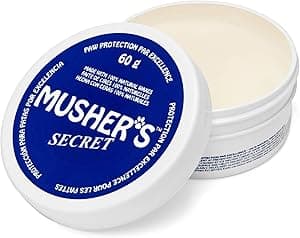 Musher's Secret Paw Protection Wax 60gNatural beeswax formula, works as a pre-walk barrier and post-walk moisturizerAmazonで価格をチェック
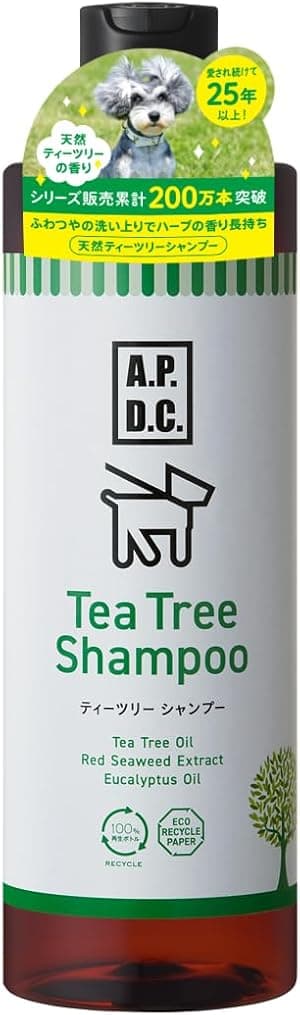 A.P.D.C. Tea Tree Shampoo 500mLTea tree's antimicrobial properties help control paw bacteria; ideal for weekly foot soaksAmazonで価格をチェック
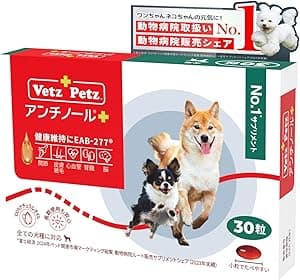 Antinol Plus Dog Supplement 30 capsulesEPA and DHA formula to support skin barrier health from the inside outAmazonで価格をチェック
When to See the Vet: A Quick Reference
| Symptom | Urgency |
|---|---|
| Pus or yellow discharge | High — same day |
| Swelling spreading, pain on touch | High — same day |
| Fever or loss of appetite | High — same day |
| Redness persisting or worsening after 3 days | Medium — within 2-3 days |
| Licking more than 4 hours per day | Medium — within 2-3 days |
Mild interdigital dermatitis typically resolves in 2-3 weeks with appropriate antifungal or antibiotic treatment. Chronic cases that are ignored often require 2-3 months of treatment and cost significantly more. A single vet visit for early-stage paw dermatitis in Japan typically runs USD 30-80; chronic cases with culture tests can exceed USD 150-200 per visit.
3 Actions You Can Start Today
- Introduce the dry-then-balm routine after every walk today — The single most impactful change you can make. Takes under 5 minutes and dramatically reduces interdigital moisture.
- Schedule a weekly paw inspection every Sunday — Take a photo with your phone for comparison. Visual records make early changes easier to spot.
- Reduce indoor humidity to below 60% — Use your air conditioner's dehumidify mode throughout the rainy season. Pay special attention to your pet's sleeping area.
FAQ
Q1. How often should I apply paw balm during the rainy season?
A. Apply after every walk during high-humidity months. On non-walk days, once at bedtime is sufficient. Use roughly one rice-grain-sized amount per pad — over-application can make floors slippery.
Q2. Can indoor-only cats get paw problems in humid weather?
A. Yes. Dust mites and mold on carpets and rugs are common triggers for allergic paw dermatitis in indoor cats. Weekly paw inspections are recommended even if your cat never goes outside.
Q3. How long before licking becomes a veterinary concern?
A. Brief licking after meals or before sleep is normal grooming. If a pet licks one specific foot for a cumulative total of 30 or more minutes per day, or if it continues for more than 2 days, schedule a vet appointment.
Q4. What is the typical treatment cost for interdigital dermatitis?
A. Early-stage cases typically cost USD 30-80 per visit including examination, topical medication, and oral antibiotics if needed. Chronic or infected cases requiring cultures or specialized treatment can exceed USD 150-200 per visit. Early intervention is the most cost-effective approach.
Q5. What is the difference between paw balm and moisturizing cream?
A. Paw balms (wax-based) form a physical barrier and are best applied before walks to repel moisture and debris. Moisturizing creams (water-based) absorb into softened tissue and are better after walks for repair. Many all-in-one products serve both purposes, which is convenient for daily routines.
Track Paw Health with PETTAS
Keeping up with weekly checks and daily routines is harder than it sounds — especially when multiple family members share care duties.
PETTAS was built specifically for this kind of recurring health management. You can log paw condition photos with timestamps in the health timeline, set daily care reminders so nothing gets skipped, and share the full record with family members so everyone stays on the same page.
When it comes time to see the vet, having a documented record of when symptoms appeared, how they progressed, and what treatments were tried makes the consultation faster and more useful for everyone.
Start tracking paw health with PETTAS
References
- Japan Society of Veterinary Dermatology (JSAD) — Seasonal trends in canine and feline skin disease, interdigital dermatitis diagnostic criteria
- Merck Veterinary Manual — Pododermatitis — Comprehensive clinical reference for paw pad and interdigital skin conditions
- Cornell University College of Veterinary Medicine — Allergic skin disease and fungal infection in companion animals
- Ministry of the Environment Japan — Animal Welfare Guidelines — Domestic pet hygiene and housing environment standards
- AVMA — Dermatology in Small Animals — Evidence-based guidelines on skin barrier function and topical treatment protocols
Recommended products5 picks
#ad Contains Amazon affiliate links
Ready to start managing your pet's health with PETTAS?
Medication tracking, health logs, and family sharing in one app. 14-day free trial — all features included.
All features free for 14 days — no card required
Get the latest articles by email
Weekly updates on pet health, medications, and insurance — straight to your inbox.
Share this article
Related Articles

Fleas in 2-3 Weeks: 5 Rainy Season Pet Pest Tips (2026)
2026-06-17

7 Early Signs of Heart Disease in Dogs & Cats (2026)
2026-06-22

3 Must-Know Pet Supplements for Rainy Season (2026)
2026-06-21

Top 5 Pet Cameras & Auto Feeders for Rainy Season (2026)
2026-06-20

5-Step Home Grooming Guide for Dogs & Cats (2026)
2026-06-19