
5 Stool Signs: Dog & Cat Health Check by Color (2026)

PETTAS Editorial Team
Up-to-date pet health guidance
Your pet's poop color reveals liver, gut, and hydration health daily. Black, red, or white stools need vet care now. Read the full guide + free checklist inside.
Contents(9)
Last updated: 2026-07-07
Noticed your dog or cat's stool looks different today — but they seem fine? Stool color and consistency are among the most reliable daily indicators of your pet's internal health. Gastrointestinal issues are consistently one of the top reasons for vet visits in dogs and cats, and catching changes early can significantly improve outcomes. This guide breaks down what normal looks like, what five color and shape changes mean, and what to do right now — especially important during peak summer heat in July.
What Does Healthy Stool Actually Look Like?
Before spotting abnormalities, you need a clear baseline. Healthy dog and cat stool typically shows these characteristics:
- Color: Medium to dark brown (chocolate-colored)
- Shape: Well-formed and compact; dogs tend to produce log-shaped stools, cats slightly more tapered
- Consistency: Holds its shape when picked up but is not rock-hard (Bristol Stool Scale equivalent: 3-4)
- Frequency: 1-2 times per day for adult dogs and cats
- Odor: Present but not overwhelmingly pungent
Any significant deviation from this baseline over 24-48 hours is worth investigating.
5 Stool Colors That Signal Health Problems
| Color | Possible Cause | Urgency |
|---|---|---|
| Black / tarry | Upper GI bleeding (stomach, small intestine) | High |
| Bright red | Lower GI bleeding, parvovirus | High |
| White / pale gray | Bile duct obstruction, liver or pancreas issue | High |
| Yellow / orange | Rapid gut transit, food intolerance, food change | Moderate |
| Green | Intestinal over-fermentation, excess grass ingestion | Moderate |
Black, tarry stools and bright red blood both require same-day veterinary attention. A black tarry stool (melena) means blood from the upper digestive tract has been digested — the animal may appear outwardly fine while experiencing serious internal bleeding.
Common mistake pet owners make: Seeing blood once, then waiting because the next stool looked normal. Even a single episode of blood in stool warrants a vet call, because the source may not be obvious from appearance alone.
Shape, Consistency, and Frequency: Reading the Full Picture
Soft stools and diarrhea
July heat brings a notable spike in soft stools and diarrhea. Common triggers in summer include:
- Drinking large amounts of cold water too quickly after walks
- Wet food left out for more than 30 minutes spoiling in the heat
- Mild heatstroke reducing blood flow to the gut
- Side effects from monthly heartworm or flea/tick preventives
When to see a vet — diarrhea checklist:
- Lasts more than 24 hours
- Accompanied by vomiting
- Contains blood or mucus
- Energy or appetite noticeably reduced
- Pet is a puppy, kitten, or senior (7+ years)
- More than 5 episodes in one day
Constipation and hard stools
Dry, pellet-like stools or no bowel movement for 48+ hours may signal constipation, often triggered by dehydration in hot weather. Cats are particularly prone. No stool for 72 hours (3 days) in a cat is a vet visit, no exceptions.
Mucus-coated stools
A clear or white jelly-like coating on stool typically indicates large intestine inflammation (colitis). Stress, travel, or sudden dietary changes are common triggers — all of which tend to spike in summer months.
4 Hidden Summer Causes of Digestive Upset
- Rapid cold water intake: Gulping icy water immediately after exercise can shock the GI tract. Offer small amounts every 10-15 minutes rather than free access immediately after exertion.
- Food spoilage: Heat and humidity accelerate oxidation and mold in both wet and dry foods. Store kibble in airtight containers away from heat and discard wet food after 30 minutes at room temperature.
- Heatstroke-related GI damage: Even mild heat stress reduces intestinal perfusion, leading to diarrhea within hours. If your pet was in the heat and then shows GI symptoms, consider heatstroke as a contributing factor.
- Preventive medication side effects: Heartworm preventives (given monthly through summer) and flea/tick spot-ons can occasionally cause transient soft stools. If symptoms appear within 24-48 hours of treatment, contact your vet before the next dose.
Recommended Items for Gut Health and Hydration
Supporting your pet's digestive system and hydration this summer is straightforward with the right tools.
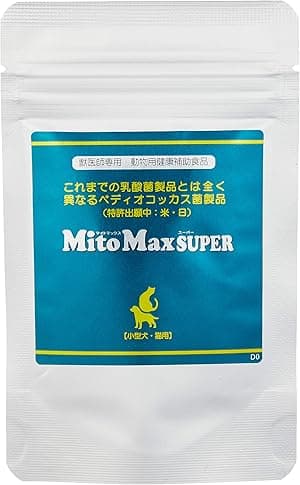 Mytomax Super Probiotic Supplement (Small Dog & Cat, 60 capsules)Combines lactic acid bacteria, yeast, and digestive enzymes; useful for pets with recurring soft stoolsAmazonで価格をチェック
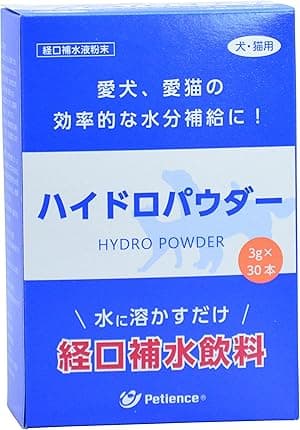 QIX Hydro Powder 3g x 30 sticks (Dog & Cat)Electrolyte and hydration support; helps counter summer dehydration that worsens constipationAmazonで価格をチェック
3 Actions You Can Take Starting Today
- Start a daily stool log: Photograph or briefly note color, shape, and frequency every morning. This gives you — and your vet — a reliable comparison baseline when something changes.
- Optimize water intake: Aim for approximately 50-60 ml of water per 1 kg (2.2 lbs) of body weight per day in summer. Circulating water fountains tend to increase consumption in cats by 30-50% compared to static bowls.
- Review summer feeding habits: Reduce portion sizes slightly during heat waves (dogs naturally eat less), switch to morning/evening feedings to avoid food sitting in heat, and never leave wet food out for more than 20-30 minutes.
FAQ
Q1. My pet's stool is yellowish — is that dangerous?
A. Yellowish stools are often caused by rapid gut transit or a recent food change. If your pet is otherwise normal and it resolves within 1-2 days, it is usually not serious. Persistent yellow stools beyond 3 days, or yellow stools combined with vomiting or lethargy, warrant a vet visit.
Q2. My cat hasn't defecated in 3 days. When should I go to the vet?
A. A 72-hour absence of bowel movement in a cat is a threshold for veterinary consultation. Cats, especially seniors (7+ years) or those on dry food only, are at high risk of obstipation. Do not wait longer than 3 days regardless of how the cat seems externally.
Q3. My dog had soft stools after a heartworm pill. Should I stop the medication?
A. Mild, short-lived GI symptoms (1-2 days) after heartworm prevention are noted in some animals and often resolve without intervention. Do not skip doses on your own, as heartworm prevention gaps are risky in peak season. Contact your vet — they can advise whether switching formulations is appropriate.
Q4. Should I take a photo of my pet's stool for the vet?
A. Yes, whenever possible. A photo taken in natural light significantly helps your veterinarian assess color, consistency, and any blood or mucus present. It removes uncertainty from verbal descriptions and can speed up diagnosis.
Q5. How often should I expect my dog or cat to defecate in summer?
A. Adult dogs and cats typically defecate 1-2 times per day. A temporary drop to once a day during heat waves is common due to reduced food intake. Fewer than once every 48 hours or more than 4-5 times per day consistently should be discussed with your vet.
Track Stool Health Daily with PETTAS
The gap between "something seemed off" and "I should have gone to the vet sooner" is almost always a recording gap. PETTAS was built specifically to close it — because the most useful health data is the kind that gets captured consistently, not just when something goes wrong.
Use the health timeline to log stool color and consistency in seconds, share records with family members so nothing gets missed, and let the AI health analysis flag patterns before they become emergencies.
References
- Merck Veterinary Manual: Gastrointestinal Diseases — Comprehensive clinical reference for GI conditions in dogs and cats
- Cornell University College of Veterinary Medicine: Digestive System — Vet-reviewed guides on diarrhea, constipation, and colitis in companion animals
- American Veterinary Medical Association (AVMA): Pet Health Resources — Evidence-based pet health guidance including GI symptom management
- AAHA Canine and Feline Nutrition Guidelines — Nutritional and GI health standards for dogs and cats
- Japan Veterinary Medical Association (JVMA) — Japanese veterinary clinical guidelines and pet health management standards
Recommended products2 picks
#ad Contains Amazon affiliate links
Ready to start managing your pet's health with PETTAS?
Medication tracking, health logs, and family sharing in one app. 14-day free trial — all features included.
All features free for 14 days — no card required
Get the latest articles by email
Weekly updates on pet health, medications, and insurance — straight to your inbox.
Share this article
Related Articles
Dog & Cat Vomiting: 5 Signs You Must See a Vet Now
2026-05-16
5 Reasons Dogs & Cats Howl at Night in Summer (2026)
2026-07-05
5 Causes of Pet Constipation in Summer + Fast Relief (2026)
2026-07-03

3x Risk: Multi-Pet Infection Control in Summer (2026)
2026-07-01
3x More Ear Infections in Rainy Season: Vet Guide (2026)
2026-06-29