

5 Reasons Dogs & Cats Howl at Night in Summer (2026)

PETTAS Editorial Team
Up-to-date pet health guidance
Heat stress, dehydration, and boredom top the list. Science-backed fixes for summer night barking -- cool-mat checklist inside. Read the full guide now.
Contents(9)
Last updated: 2026-07-05
Is your dog or cat suddenly howling at 2 a.m. during the hottest weeks of the year? You are not alone -- and the cause might not be what you think.
Summer night barking and problem behaviors are often blamed on poor training, but veterinary research points to heat stress as the leading trigger during July and August. When floor-level temperatures exceed 27 degrees C (81 F), dogs and cats struggle to regulate body temperature, leading to anxiety, restlessness, and vocalization -- even in air-conditioned homes.
This guide breaks down the five most common causes of summer night barking and gives you a practical, step-by-step plan to fix them tonight.
5 Reasons Pets Bark or Howl at Night in Summer
1. Heat Stress -- The Number-One Culprit
Dogs cool themselves almost entirely through panting, and cats rely on limited sweat glands in their paws. Both species feel heat roughly 2 to 4 times more acutely than humans at floor level. Even with an air conditioner running, the temperature at floor height -- where your pet sleeps -- can be 3 to 5 degrees C (5 to 9 F) warmer than the thermostat reads.
Easy mistake to miss: Owners who set the AC to 26 degrees C (79 F) assume their pets are comfortable. But if the vent is near the ceiling and your pet sleeps on the floor, the actual sleeping-level temperature may be 29 to 30 degrees C (84 to 86 F) -- well above the comfort threshold.
2. Disrupted Sleep Cycle from Extended Daylight
July brings the longest daylight hours of the year. Bright evening light suppresses melatonin production in dogs and cats just as it does in humans. The result: your pet's internal clock shifts later, and they become active or anxious during hours you want to sleep. Cats -- naturally crepuscular (most active at dawn and dusk) -- are especially prone to a 2 a.m. activity surge.
3. Pent-Up Energy from Reduced Outdoor Exercise
When heatwaves make outdoor walks dangerous, daily exercise often drops by 30 to 50 percent. Unused energy does not disappear -- it converts into nighttime zoomies, destructive chewing, and barking. If you have shortened walks significantly, expect evening hyperactivity to follow.
4. Mild Dehydration Causing Anxiety
Dehydration in dogs and cats is linked to increased cortisol (stress hormone) and generalized anxiety. In summer, dogs need approximately 60 to 80 ml of water per kg (0.9 to 1.2 oz per pound) of body weight per day -- about 1.3 to 1.5 times the year-round baseline. Cats, who naturally have low thirst drives, are particularly at risk for subclinical dehydration.
5. Cognitive Dysfunction in Senior Pets
Pets aged 7 and older can develop cognitive dysfunction syndrome (CDS), similar to dementia in humans. Heat stress and disrupted sleep can unmask or accelerate CDS symptoms, including disorientation, nighttime vocalization, and aimless pacing. If night barking started suddenly this summer in an older pet, CDS should be on your radar.
Common Owner Mistakes That Make Night Barking Worse
- Responding every time the pet vocalizes -- reinforces the behavior
- Scolding loudly -- increases anxiety and worsens vocalization
- Assuming the AC setting equals comfort -- never measuring floor-level temperature
- Attempting training-only fixes when the root cause is physical discomfort
- Dismissing senior pet night crying as "just aging" -- early CDS intervention can slow progression
7-Step Summer Night-Barking Fix Plan
| Step | Action | Time to Effect |
|---|---|---|
| Measure floor temperature | Check temp 30 cm (12 in) above floor at pet sleeping spot | Immediate |
| Add a cooling mat | Place aluminum-gel mat at sleeping spot | 1 to 3 days |
| Use blackout curtains | Close curtains by 6 p.m. to limit light exposure | 3 to 7 days |
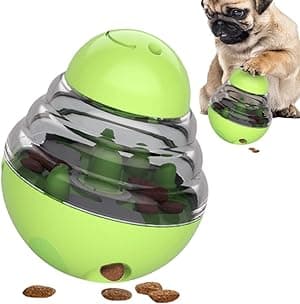
| Pre-bed puzzle play | 20 to 30 min of food puzzle or enrichment toy | 3 to 7 days |
| Add a water station | Place 2 to 3 water bowls or a fountain around the home | Immediate |
| Establish a sleep routine | Same sequence each night: lights off, small treat, bed | 7 to 14 days |
| Set up a pet camera | Record when and why barking starts | Immediate (data gathering) |
Recommended Cooling & Hydration Products
These items directly address the heat stress and dehydration triggers described above.
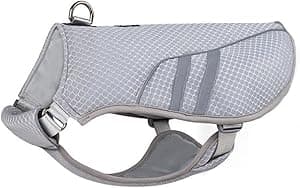 ICOUCHI Dog Cooling Vest- Evaporative cooling vest; wet and wear before evening walksAmazonで価格をチェック
 Petiom Aluminum Gel Cool Mat M- No electricity needed; place at sleeping spot for instant reliefAmazonで価格をチェック
 Petiom Aluminum Gel Soft Cool Mat L- Larger size for medium and large breedsAmazonで価格をチェック
 SOHAPI Dog Ice Neck Ring PCM 24C M- Phase-change neck cooler; pre-cools body temperature before sleepAmazonで価格をチェック
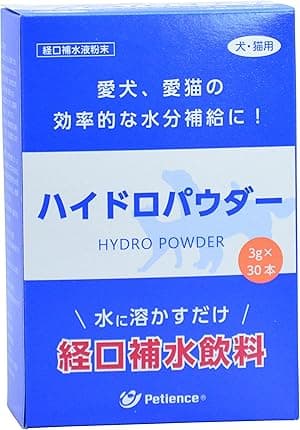 QIX Hydro Powder 3g x 30 sachets for Dogs & Cats- Electrolyte supplement to support hydration in hot weatherAmazonで価格をチェック
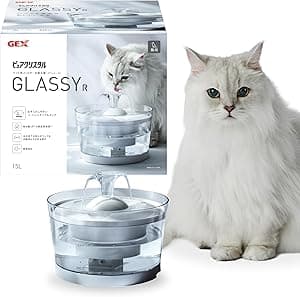 GEX Pure Crystal Glassy R Cat Fountain 1.5L- Circulating water fountain shown to increase cat water intake by up to 2xAmazonで価格をチェック
Beat Boredom Indoors: The Enrichment Solution
When outdoor exercise is cut short by heat, indoor mental stimulation becomes essential. Studies in applied animal behavior show that 20 to 30 minutes of nose-work or food-puzzle activity produces fatigue comparable to a 45 to 60-minute walk. This matters especially on days when temperatures do not drop below 30 degrees C (86 F) until after 9 p.m.
A consistent pre-bedtime enrichment routine -- puzzle toy, light training, or scatter feeding -- helps exhaust cognitive energy and triggers natural sleep onset.
When to See a Vet
Seek veterinary advice promptly if you observe any of the following:
- Night barking lasting more than 2 weeks despite environmental improvements
- High-pitched cries suggesting pain, not just restlessness
- Loss of appetite, lethargy, or unusual thirst accompanying vocalization
- A pet aged 7 or older pacing in circles or appearing disoriented at night
- Rapid breathing, pale or bluish gums, or collapse -- seek emergency care immediately (heat stroke)
Heat stroke can present quietly: a pet too weak to vocalize loudly may simply stop moving. Do not wait until the next morning if you suspect heat-related collapse.
3 Actions to Take Tonight
- Measure your pet's sleeping-level temperature -- Use a thermometer placed 30 cm (12 in) above the floor. If it reads above 27 degrees C (81 F), adjust your AC direction or add a cooling mat before lights out tonight.
- Run a food puzzle session 90 minutes before bed -- Ten to twenty minutes of sniff-work or puzzle feeding expends mental energy that would otherwise fuel nighttime restlessness.
- Add one extra water station near the sleeping area -- More access points mean more drinking, especially for cats. Check tomorrow morning how much was consumed to gauge hydration status.
FAQ
Q1. At what age does night barking become a sign of cognitive decline?
A. Dogs and cats aged 7 and older enter the senior life stage where cognitive dysfunction syndrome (CDS) becomes a realistic diagnosis. If night barking starts suddenly in a senior pet and is accompanied by confusion or pacing, schedule a veterinary assessment within 1 to 2 weeks. Early diagnosis allows management strategies that slow progression.
Q2. How do I know if heat -- not separation anxiety -- is causing the night barking?
A. Heat-related barking tends to start after 11 p.m. when indoor temperatures peak, often coincides with restlessness and seeking cool surfaces (tile floors, near vents), and reduces noticeably when the sleeping area is cooled. Separation anxiety typically triggers immediately when you leave the room, regardless of temperature.
Q3. Does scolding a barking dog at night make things worse?
A. Yes, in most cases. Scolding provides social attention, which can inadvertently reinforce the behavior. More importantly, it raises the pet's arousal level, making calm sleep harder to achieve. A neutral, non-reactive approach combined with addressing the underlying cause is more effective.
Q4. How much water should my dog drink per day in summer?
A. A healthy dog needs approximately 60 to 80 ml of water per kg (about 1 oz per pound) of body weight daily in summer -- roughly 1.3 to 1.5 times the year-round baseline. A 5 kg (11 lb) dog should be drinking 300 to 400 ml (10 to 14 oz) per day. Less than this warrants adding a water station or consulting your vet.
Q5. Are calming supplements effective for summer night barking?
A. Pheromone diffusers and L-theanine-based supplements can help reduce anxiety-driven vocalization in some pets. However, if heat stress, dehydration, or cognitive dysfunction is the primary driver, supplements alone will be insufficient. Always address the environmental root cause first, and consult your vet before starting any supplement regimen.
Track the Patterns, Find the Fix
After working with countless pet owners through building PETTAS, I noticed one consistent pattern: the owners who solved night barking fastest were those who tracked data -- sleeping temperatures, water intake, exercise time, and when vocalizations occurred. Without records, it is nearly impossible to spot the correlation between a hot day and a rough night three days later.
PETTAS lets you log health events, water intake, behavior notes, and medication reminders on a shared family timeline. When you bring those records to your vet, the conversation changes from "it started sometime recently" to "here is exactly when it began and what else changed."
Start tracking today: PETTAS Official Site
References
- AAHA Senior Care Guidelines for Dogs and Cats (AAHA) -- Evidence base for CDS diagnosis criteria and nighttime behavior changes in senior pets
- Merck Veterinary Manual: Cognitive Dysfunction Syndrome -- Clinical overview of CDS symptoms, diagnosis, and management
- AVMA: Pets and Hot Weather Safety (AVMA) -- Heat stroke risk thresholds, prevention, and first-aid guidance
- Cornell Feline Health Center: Behavior Problems in Cats -- Feline nocturnal vocalization causes including hyperthyroidism and CDS
- NIH PubMed: Dehydration and behavioral changes in companion animals -- Research linking mild dehydration to anxiety indicators in dogs and cats
Recommended products5 picks
#ad Contains Amazon affiliate links
Ready to start managing your pet's health with PETTAS?
Medication tracking, health logs, and family sharing in one app. 14-day free trial — all features included.
All features free for 14 days — no card required
Get the latest articles by email
Weekly updates on pet health, medications, and insurance — straight to your inbox.
Share this article
Related Articles

5 Causes of Pet Constipation in Summer + Fast Relief (2026)
2026-07-03

3x Risk: Multi-Pet Infection Control in Summer (2026)
2026-07-01

3x More Ear Infections in Rainy Season: Vet Guide (2026)
2026-06-29

5 Steps to Heal From Pet Loss (Rainy Season 2026)
2026-06-28

5 Vet-Approved Ways to Fight Pet Odor in Rainy Season (2026)
2026-06-27