

3x Risk: Multi-Pet Infection Control in Summer (2026)

PETTAS Editorial Team
Up-to-date pet health guidance
Multi-pet homes face 3x higher infection risk in summer. Learn step-by-step isolation, flea prevention & hydration tips. Free checklist included.
Contents(9)
Last updated: 2026-07-01
If one of your pets falls ill in summer, do you know exactly how to stop the infection from spreading to the others?
Households with multiple pets face roughly three times the risk of secondary infections compared to single-pet homes, according to AVMA infectious disease guidelines. July is the peak month when heatstroke, heartworm season, fleas, ticks, and gastrointestinal infections all collide — making it the single most critical month for multi-pet households.
This guide explains why infections spread so fast in summer, and gives you a concrete, step-by-step plan to protect every pet in your home.
Why Infections Spread Faster in Multi-Pet Homes During Summer
1. Heat suppresses immune function
When temperatures exceed 30 degrees C (86 F), dogs and cats burn extra energy on thermoregulation. This reduces lymphocyte activity, leaving pets more vulnerable to viruses and bacteria that a healthy immune system would normally handle easily. Senior pets or those with underlying conditions are especially at risk.
2. Closed, air-conditioned rooms trap airborne pathogens
Summer means sealed windows and constant air conditioning — a recipe for poor air circulation. Viruses like canine parvovirus, feline herpesvirus, and calicivirus spread through droplets and direct contact. In a closed room, one infected animal can expose every housemate within hours.
3. Flea season peaks and hitchhikers come indoors
July is peak season for fleas and ticks. A single flea carried in from a walk can lay up to 50 eggs per day inside your home. In a multi-pet household, that population explodes within two weeks — and fleas also carry tapeworm larvae (Dipylidium caninum), adding a gastrointestinal parasite risk on top of the skin irritation.
The Mistake Most Multi-Pet Owners Make
The most common error is waiting for obvious symptoms before acting. Most infections have an incubation period of 2 to 14 days — by the time you notice your pet is unwell, transmission to other animals has very likely already occurred.
Early warning signs that should trigger immediate isolation:
- Food intake drops by 30% or more compared to the day before
- Water consumption suddenly increases or decreases
- Sneezing or nasal discharge occurs more than 5 times in a day
- Soft stools or diarrhea occurs 2 or more times
- Sleeping significantly longer than usual
- Frequent licking or scooting around the anal area (parasite sign)
Step-by-Step Infection Control for Multi-Pet Homes
Step 1: Separate and create a buffer zone
The moment you notice early warning signs, move the affected pet to a separate room for at least 72 hours. If a separate room is not possible, a crate or kennel provides meaningful physical separation.
Care order matters. Always tend to healthy pets first, then the sick one. Wash hands thoroughly with soap for at least 20 seconds between interactions. Food bowls, water bowls, litter boxes, and towels must never be shared between animals.
Step 2: Treat all pets for fleas and ticks simultaneously
Applying flea prevention to only one pet is ineffective — fleas will simply jump to an untreated animal. All pets must be treated at the same time, every month. A calendar-based reminder system (or a pet health app) is essential when managing multiple animals.
For summer flea and tick prevention, a combination of monthly spot-on treatment plus a natural repellent spray used after walks offers strong protection against indoor infestation.
Here are effective options for multi-pet flea and tick control:
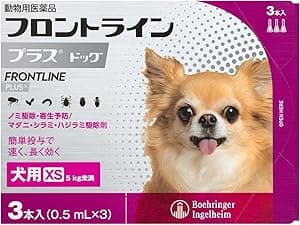 Frontline Plus Dog XS (under 5 kg / 11 lbs) — 3 dosesMonthly spot-on kills adult fleas, eggs, and larvae using fipronil + methopreneAmazonで価格をチェック
 Frontline Plus Dog S (5-10 kg / 11-22 lbs) — 3 dosesThree-month supply makes consistent multi-pet scheduling easierAmazonで価格をチェック
 A.P.D.C. Neem & Citronella Spray 125ml for DogsNatural-ingredient spray ideal for quick application to multiple pets before and after walksAmazonで価格をチェック
Step 3: Do not confuse heatstroke with infection
This is a critical distinction in summer. Both heatstroke and infectious disease can cause lethargy and loss of appetite. Use this comparison to guide your response:
| Symptom | Heatstroke | Infection |
|---|---|---|
| Lethargy | Yes | Yes |
| Loss of appetite | Yes | Yes |
| Elevated body temperature | Yes (rectal >39.5 C / 103.1 F) | Sometimes |
| Sneezing / nasal discharge | No | Yes |
| Vomiting / diarrhea | Only in severe cases | Yes |
| Improves after cooling | Yes (within 30-60 min) | No |
If your pet does not show clear improvement within 30 minutes of being moved to a cool environment, suspect infection or another underlying condition and contact your veterinarian promptly.
Step 4: Maintain hydration to support immune function
Dehydration significantly impairs immune response. The general guideline is 50-60 mL of water per kg (0.8 oz per pound) of body weight per day. In a multi-pet home, ensure there are enough water stations so that one dominant animal cannot block access. Placing water bowls in multiple locations throughout the home is a simple but effective strategy.
Here are hydration tools that work well for multi-pet households:
 QIX Hydro Powder 3g x 30 sachets — for Dogs and CatsElectrolyte powder to support hydration when appetite is reduced during heat or illnessAmazonで価格をチェック
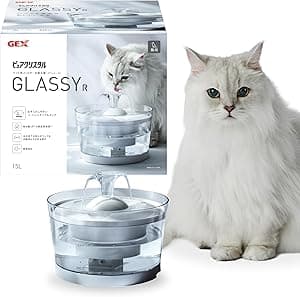 GEX PureCrystal Glassy R Cat Fountain 1.5LCirculating fountain keeps water fresh and encourages cats to drink more consistentlyAmazonで価格をチェック
 Petio Cool Aluminum Gel Mat MSurface cooling mat to reduce heat load; consider one per pet in a multi-pet homeAmazonで価格をチェック
Multi-Pet Summer Infection Control Checklist
- Confirmed all pets' vaccinations are current for this year
- Applied flea and tick prevention to all pets this month
- Identified a room or crate for 72-hour isolation if needed
- Each pet has its own food bowl, water bowl, and litter box
- Daily water intake per pet is being monitored (body weight x 50-60 mL)
- Indoor temperature is maintained at or below 27-28 degrees C (80-82 F)
- Veterinary clinic summer holiday schedule is noted
- Brushing and spray routine is in place after every walk
When to Call Your Veterinarian Immediately
Contact a veterinary clinic within 24 hours if any of the following apply:
- Rectal temperature above 39.5 C (103.1 F) or below 38.0 C (100.4 F)
- Vomiting or diarrhea three or more times in one day, or blood is present
- No improvement in energy level after 30 minutes in a cool environment
- Two or more pets in the household showing the same symptoms simultaneously
- Unable to stand or move normally
When multiple animals fall ill at the same time, treat it as a potential outbreak and act urgently — not cautiously.
3 Actions You Can Take Right Now
-
Check each pet's last flea and tick treatment date today. If it has been more than one month since the last application, retreat all pets today. Scheduling all animals on the same calendar date each month eliminates guesswork.
-
Prepare an isolation kit and store it somewhere accessible. Pack a folding crate, disposable pads, and disinfecting wipes into a bag. When a pet falls ill, you want to act in minutes, not spend time searching for supplies.
-
Add one extra water station per pet you currently have. Two pets need three water points; three pets need four. This prevents any single animal from monopolizing the water supply, ensuring everyone stays hydrated even during the hottest days.
FAQ
Q1. If my pets are vaccinated, do I still need to isolate a sick pet?
A. Yes. Vaccines significantly reduce infection risk and severity, but they do not provide 100% protection — and they offer no defense against non-vaccine-preventable conditions like Giardia or certain respiratory infections. Isolation remains essential regardless of vaccination status.
Q2. How long should I keep a sick pet isolated?
A. The general guideline is at least 72 hours (3 days) after all symptoms have resolved. Some conditions, such as feline herpesvirus, may involve prolonged viral shedding even after clinical signs disappear. Always follow your veterinarian's specific recommendation.
Q3. Can infections spread between dogs and cats in the same home?
A. Most species-specific viruses do not cross between dogs and cats. However, fleas, ticks, ringworm (Microsporum canis), and Giardia can infect both species. These are the primary cross-species concerns in mixed-species households.
Q4. Is it safe to use the same flea prevention product on both dogs and cats?
A. No — many canine flea products contain permethrin, which is highly toxic to cats. Always use species-specific products and check the label carefully. When in doubt, ask your veterinarian before applying any product.
Q5. At what age can puppies and kittens start flea prevention?
A. Most spot-on flea treatments are labeled for use from 8 weeks of age and above a minimum body weight (typically 2 kg / 4.4 lbs), but this varies by product. Always confirm with your veterinarian before treating very young or very small animals.
Track Every Pet with PETTAS
Managing flea treatment schedules, vet visit records, and vaccination dates for multiple pets is genuinely difficult when everything lives in your head or scattered across sticky notes. I built PETTAS specifically because this kind of multi-pet health tracking was causing real stress for owners — and real gaps in care.
With PETTAS, you can register each pet individually and set up medication reminders, vaccination schedules, weight tracking graphs, and a shared health timeline that every family member can access. No more "did someone already give the flea treatment this month?" moments.
Start organizing your multi-pet health management today: Get started with PETTAS
References
- AVMA — Infectious Disease Resources — Veterinary guidelines on incubation periods, transmission routes, and isolation protocols for companion animal infectious diseases
- Merck Veterinary Manual — Canine and Feline Infectious Diseases — Comprehensive clinical reference for pathogen profiles, symptoms, and treatment standards
- Cornell University College of Veterinary Medicine — Pet Health Topics — Evidence-based guidance on feline herpesvirus, calicivirus, and multi-cat household health management
- Japan Veterinary Medical Association — Infectious Disease Guidelines — Japanese veterinary standards for infection control in companion animals and multi-pet environments
- Ministry of the Environment Japan — Animal Welfare and Management — Official guidelines on appropriate management and sanitation in multi-pet households
Recommended products5 picks
#ad Contains Amazon affiliate links
Ready to start managing your pet's health with PETTAS?
Medication tracking, health logs, and family sharing in one app. 14-day free trial — all features included.
All features free for 14 days — no card required
Get the latest articles by email
Weekly updates on pet health, medications, and insurance — straight to your inbox.
Share this article
Related Articles

Heartworm Season 2026: 3 Mistakes That Put Pets at Risk
2026-05-24
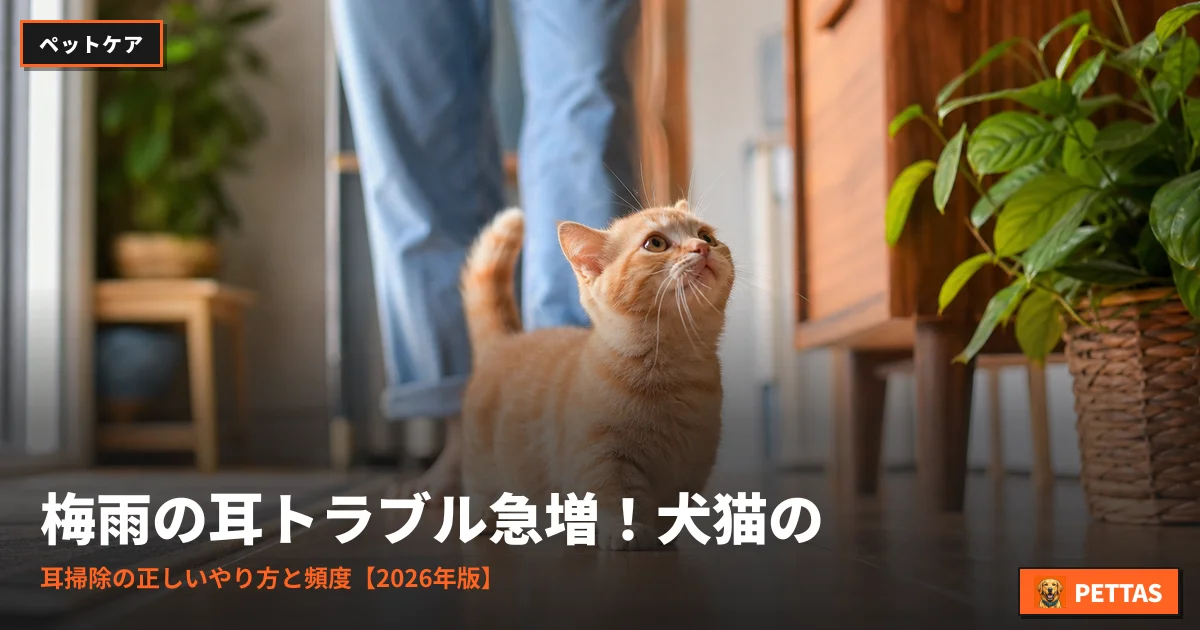
3x More Ear Infections in Rainy Season: Vet Guide (2026)
2026-06-29

5 Steps to Heal From Pet Loss (Rainy Season 2026)
2026-06-28

5 Vet-Approved Ways to Fight Pet Odor in Rainy Season (2026)
2026-06-27

5 Reasons Pet Eye Discharge Worsens in Humidity (2026)
2026-06-26