

5 Causes of Pet Constipation in Summer + Fast Relief (2026)

PETTAS Editorial Team
Up-to-date pet health guidance
Dehydration in summer heat hardens stools fast. Learn the 5 vet-backed causes and 3 same-day fixes for dog and cat constipation. Checklist inside.
Contents(8)
Last updated: 2026-07-03
Noticed your dog or cat skipping the litter box or squatting without success? Summer is one of the most common seasons for pet constipation — and it is easier to miss than you might think. Studies show gastrointestinal complaints in companion animals increase by roughly 30% during peak heat months. This guide breaks down the five main causes and gives you concrete, vet-aligned steps to bring relief today.
Why Summer Triggers Constipation in Dogs and Cats
Constipation is generally defined as no bowel movement for 48 hours in dogs or 72 hours in cats. Left untreated, chronic constipation can progress to megacolon, a condition where the colon loses the ability to contract — and that requires intensive veterinary care.
Here are the five reasons summer makes things worse.
1. Dehydration Hardens Stools
This is the number-one culprit. When temperatures climb above 35 degrees Celsius (95 F), dogs and cats lose body water faster than they replenish it. The large intestine absorbs water from stool as it passes through; when the body is dehydrated, it pulls even more water out of the stool, leaving behind dry, hard pellets that are difficult to pass. Cats, who evolved as desert animals, have a naturally low thirst drive and are especially vulnerable.
Daily water target:
- Dogs: 50-60 ml per kg (0.8 oz per lb) of body weight
- Cats: 40-50 ml per kg (0.65 oz per lb) of body weight
2. Reduced Exercise Slows the Gut
Shorter walks during heat advisories and sedentary indoor behavior reduce intestinal motility. The colon depends on physical movement to propel contents forward. Even a 15-minute walk twice a day (scheduled before 7 a.m. or after 8 p.m.) provides enough stimulation to keep the gut moving.
3. Heat Stress and Anxiety
Thunderstorms, fireworks, and the general stress of summer disrupt the autonomic nervous system, which directly controls bowel motility. Sympathetic (fight-or-flight) dominance slows gut transit, while parasympathetic (rest-and-digest) activity speeds it up. A stressed pet is often a constipated pet.
4. Low-Fiber Diet
High-protein, low-carbohydrate diets — popular for weight management — can reduce stool bulk. Without enough fiber, the colon has less material to work with and fewer stretch receptors are triggered. Adding 1 g of soluble fiber per kg of body weight per day (e.g., plain canned pumpkin) is a safe starting point.
5. Hairball Accumulation (Cats)
Summer shedding means more grooming, which means more ingested fur. When hair accumulates in the colon instead of being vomited up, it acts like a cork. Long-haired cats and cats that overgroom due to stress are at highest risk.
Warning Signs Pet Owners Often Miss
Many owners assume "they went to the box, so they must have gone." That is one of the most common mistakes. A cat can strain for five minutes and pass only a pea-sized pellet — or nothing at all.
Constipation Symptom Checklist
- Spending more than 3 minutes in the litter box or squatting position
- Stool is small, dry, or pellet-shaped
- Abdomen feels firm or distended when gently pressed
- Appetite reduced to less than 70% of normal
- Vocalizing or showing discomfort during defecation attempts
- Two or more vomiting episodes (possible obstruction)
- Body weight dropped more than 5% in one week
If three or more boxes are checked, or if your pet has not defecated in 3 days (dog) or 4 days (cat), contact your veterinarian.
How to Relieve Pet Constipation at Home
Increase Water Intake — Systematically
Do not just add more water to the bowl and hope for the best. Cats prefer moving water and drink significantly more from a circulating fountain than a static dish — one study reported a 20-30% increase in intake. Mixing wet food into dry kibble, or softening dry food with warm water, also adds meaningful hydration through meals.
Electrolyte-enhanced water products formulated for pets can encourage drinking and help replace minerals lost in summer heat.
Here are some hydration tools worth considering:
Recommended Products: Hydration and Gut Support
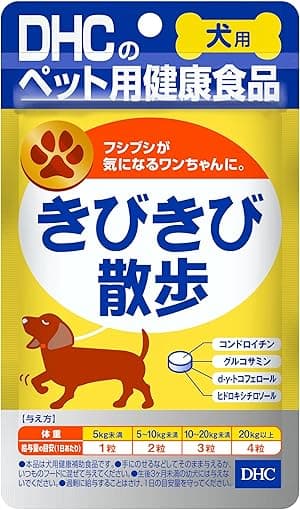
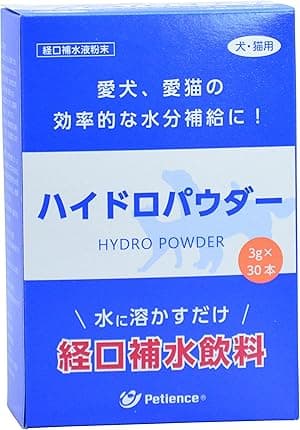 QIX Hydro Powder 3g x 30 sticks (dogs and cats)Electrolyte formula to support hydration and prevent heat-related dehydration; dissolves easily in waterAmazonで価格をチェック
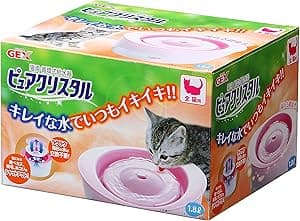
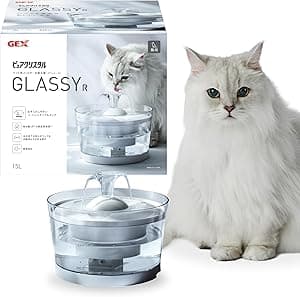 GEX PureKristal Glassy R Cat Fountain 1.5LCirculating filtered fountain proven to increase feline water intake naturallyAmazonで価格をチェック
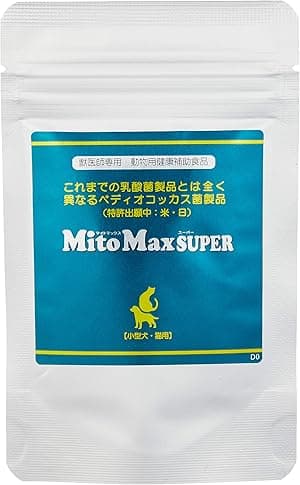 MytoMax Super Probiotic for Small Dogs and Cats 60 capsulesProbiotic blend to restore gut flora balance; supports both constipation and loose stoolsAmazonで価格をチェック
Move the Body, Move the Bowels
For dogs: schedule walks before 7 a.m. or after 8 p.m. Even 15 minutes at a moderate pace stimulates colonic motility. Avoid pavement temperatures above 60 degrees Celsius (140 F) — a quick back-of-hand test on the asphalt for 5 seconds tells you if it is safe for paw pads.
For cats: a 5-10 minute interactive play session 30-60 minutes after meals mimics natural post-hunt activity and prompts bowel movement. Wand toys work well for this.
Adjust the Diet Gradually
Add soluble fiber slowly — sudden large amounts cause diarrhea. Plain unseasoned pumpkin (1-2 teaspoons for a 4 kg / 9 lb cat, 1-2 tablespoons for a medium-sized dog) is well-tolerated. A probiotic supplement taken daily for 2-4 weeks can shift the gut microbiome toward a more motility-friendly profile.
Never use human enemas on pets. Sodium phosphate, found in many over-the-counter enemas, is acutely toxic to cats and potentially dangerous for dogs.
When to See a Veterinarian
Seek care immediately if your pet:
- Has not defecated in 3+ days (dog) or 4+ days (cat)
- Has blood in or around the stool
- Has a hard, painful abdomen
- Is repeatedly vomiting
- Appears lethargic or weak
Your vet will palpate the abdomen and likely take an X-ray to assess fecal load. Treatment options range from a warm-water enema and lactulose to IV fluids and, in severe cases, manual evacuation under anesthesia.
3 Actions to Take Today
-
Measure your pet's water intake tonight. Fill the bowl to a known level in the morning and check at night. Compare to the target: body weight (kg) x 50 ml for dogs, x 40 ml for cats. Numbers beat guessing every time.
-
Swap 25-30% of tonight's dry food for wet food. A 5 kg (11 lb) cat eating 60 g of dry food daily could get 15-18 g as wet food. This alone can add 10-15 ml of water to the meal.
-
Log stool frequency for 3 days. Note the time, size, and consistency. This data is genuinely useful at a vet appointment and often reveals patterns invisible to memory alone.
FAQ
Q1. Can I use olive oil to relieve my pet's constipation?
A. A small amount — half a teaspoon per 5 kg (11 lbs) of body weight, mixed into food — can help lubricate the colon. However, avoid it in pets with pancreatitis history or obesity, and do not continue beyond 2-3 days without improvement.
Q2. Is it normal for cats to skip a day between bowel movements?
A. Many cats defecate once daily, but some healthy cats go every 36-48 hours. What matters is the trend: if your cat drops from daily to every 3 days, that warrants attention even if they are not yet in the "emergency" window.
Q3. Can pumpkin really help with constipation?
A. Yes — plain canned pumpkin (not pie filling) contains soluble fiber that retains water in the colon. It works for both constipation and mild diarrhea. The serving size is small: 1-2 teaspoons for cats, 1-4 tablespoons for dogs depending on size.
Q4. My senior dog suddenly became constipated — is that serious?
A. Sudden-onset constipation in dogs over 8 years old should be evaluated promptly. It can signal prostate enlargement, pelvic tumors, spinal nerve issues, or orthopedic pain that makes squatting uncomfortable. Do not assume it is dietary without a vet examination.
Q5. How long do probiotics take to work for pet constipation?
A. Most studies report measurable changes in gut flora within 7-14 days of consistent supplementation. Clinical improvement in stool consistency and frequency typically appears within 2-4 weeks. Give it at least one full month before deciding they are not working.
Track It With PETTAS
The single most effective thing you can do for a constipation-prone pet is consistent daily logging — and that is exactly what PETTAS was built for. I developed this app because I saw how often owners (myself included) lost track of subtle patterns that only show up over days or weeks.
With PETTAS you can:
- Log bowel movements, appetite, and water intake in under 10 seconds
- Share records in real time with family members or pet sitters
- Receive AI-generated alerts when patterns deviate from your pet's baseline
- Show the veterinarian a clean timeline at appointments instead of trying to remember
Start logging today: PETTAS
References
- Merck Veterinary Manual — Constipation in Small Animals — Pathophysiology, differential diagnosis, and treatment protocols for canine and feline constipation
- Cornell University College of Veterinary Medicine — Feline Megacolon — Evidence-based overview of chronic constipation and megacolon management in cats
- AAHA Senior Care Guidelines for Dogs and Cats — Age-specific gastrointestinal health recommendations including fiber and hydration targets
- AVMA — Companion Animal Nutrition Resources — Dietary fiber and hydration guidance for dogs and cats across life stages
- PubMed: Probiotics in companion animals — a systematic review — Evidence base for probiotic supplementation in canine and feline gastrointestinal disorders
Recommended products5 picks
#ad Contains Amazon affiliate links
Ready to start managing your pet's health with PETTAS?
Medication tracking, health logs, and family sharing in one app. 14-day free trial — all features included.
All features free for 14 days — no card required
Get the latest articles by email
Weekly updates on pet health, medications, and insurance — straight to your inbox.
Share this article
Related Articles

3x Risk: Multi-Pet Infection Control in Summer (2026)
2026-07-01
3x More Ear Infections in Rainy Season: Vet Guide (2026)
2026-06-29
5 Steps to Heal From Pet Loss (Rainy Season 2026)
2026-06-28

5 Vet-Approved Ways to Fight Pet Odor in Rainy Season (2026)
2026-06-27

5 Reasons Pet Eye Discharge Worsens in Humidity (2026)
2026-06-26