

Top 5 Dog Cooling Gear for Summer Heat (2026)

PETTAS Editorial Team
Up-to-date pet health guidance
35C+ days are here. One wrong move and your dog faces heatstroke. Compare cool mats, vests, neck rings & water bottles. Quick-pick chart inside.
Contents(8)
Last updated: 2026-07-04
Summer 2026 is hitting hard, and dogs can't sweat the way we do. When temperatures climb past 35C (95F), a dog left without proper cooling can develop heatstroke in under 30 minutes. This guide compares the five most effective dog cooling products so you can pick the right one without second-guessing.
Quick Pick: Best 4 by Use Case
| Use Case | Product Type | Why It Works |
|---|---|---|
| Best Overall | Aluminum Gel Cool Mat (M) | No electricity needed, covers rest time indoors, from ~$20 |
| Best for Walks | Evaporative Cool Vest | Wet it, put it on - lowers core temp for 2-3 hours |
| Best for Neck Cooling | PCM Neck Ring (24C phase-change) | Targets the carotid artery; no freezer required |
| Best for Hydration | Foldable Water Bottle 350ml | 15-min water breaks made easy; fits any bag |
If you can only grab one thing today: get a cool mat for indoors. Add a water bottle and you have your bases covered.
How to Choose Dog Cooling Gear
Match the product to where your dog spends time
Cooling gear falls into two camps: indoor rest gear and outdoor activity gear. A gel mat does almost nothing during a walk, and a cool vest is overkill for a napping dog. Think about where your dog is hottest - that narrows the choice fast.
Understand the cooling method
- Aluminum + gel mats: Draw heat away from the body passively. Long-lasting, no power needed.
- Evaporative vests: Water evaporates from the fabric and takes body heat with it. Best for active dogs.
- PCM (phase-change material) rings: Absorbs heat as the material transitions from solid to liquid at a fixed temperature (usually 24C / 75F). Consistent cooling without being painfully cold.
- Electrolyte supplements: Not cooling directly, but prevent dehydration that makes heat stress worse.
Size matters more than brand
For vests and neck rings, always measure neck girth, chest girth, and body weight before ordering. A too-tight vest restricts breathing; too loose and it slides off. For mats, the rule is simple: the dog's whole body should fit comfortably.
Check materials for chew safety
Dogs lick and chew. Look for products labeled chew-resistant or with leak-proof gel chambers. Avoid products where the gel is exposed or can be punctured easily.
Top 5 Dog Cooling Products Reviewed
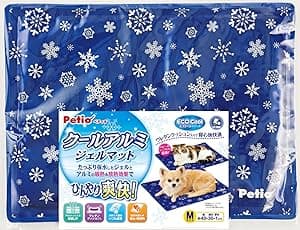
1. Aluminum & Gel Cool Mat
Price range: ~$18-35 USD
The go-to indoor cooling solution. An aluminum top layer rapidly disperses body heat while a gel core maintains a cool surface temperature. No plug required, and it resets after the dog steps off for a few minutes. Look for a non-slip bottom to keep it from sliding on hardwood floors.
Best for: Senior dogs, indoor-only dogs, first-time buyers setting up a summer cooling station.

2. Evaporative Cool Vest
Price range: ~$15-30 USD
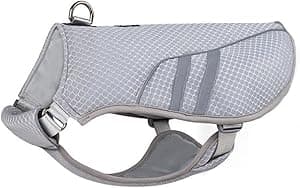
Soak it in water for 2-3 minutes, wring it out, and put it on your dog before heading out. As the water evaporates, it pulls heat from the dog's core. Most vests stay effective for 2-3 hours in moderate heat. Rinse and dry thoroughly after each use to prevent mildew.
Best for: Active dogs that still need walks in summer, owners who want a portable solution.
3. PCM Neck Cooling Ring
Price range: ~$12-25 USD
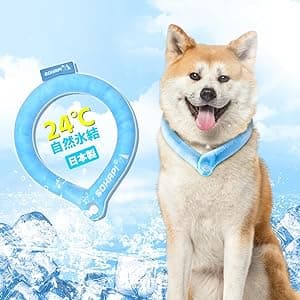
Phase-change material freezes at exactly 24C (75F) - warm enough to be comfortable, cool enough to reduce core temperature. Wrap it around the neck near the carotid artery for efficient full-body cooling. Chill it in the refrigerator (not the freezer - frozen solid defeats the purpose) for 15-20 minutes before use.
Best for: Brachycephalic breeds (flat-faced dogs), senior dogs, dogs that reject wearing a vest.
4. Foldable Walk Water Bottle
Price range: ~$8-20 USD
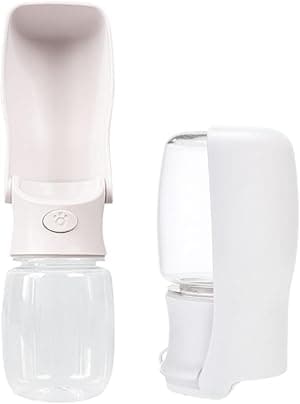
Dehydration is the fastest route to heatstroke on summer walks. A one-piece foldable bottle with an integrated trough means you can offer water in under 10 seconds. Aim for a water break every 15-20 minutes on warm days. The 350ml size is the sweet spot for most walks under an hour.
Best for: All dogs, all sizes - this should be in every summer walk bag.
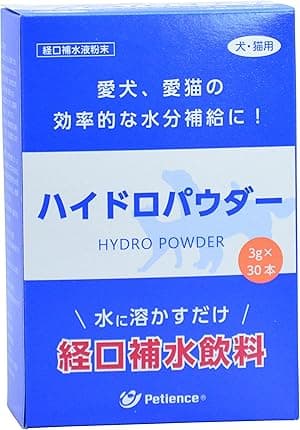
5. Electrolyte Supplement Powder
Price range: ~$15-30 USD for 30 sachets
Dogs that lose appetite in the heat often stop drinking water too. A pet-formulated electrolyte powder mixed into the water bowl encourages drinking and replaces minerals lost through panting. Human sports drinks are not a substitute - they contain too much sodium for dogs. Choose products specifically designed for dogs and cats.
Best for: Senior dogs, post-exercise recovery, dogs that drink less in summer.
Product Comparison Chart
| Product Type | Price (USD) | Cooling Strength | Best Setting | Ideal For |
|---|---|---|---|---|
| Aluminum Gel Mat | $18-35 | High (passive) | Indoors / rest | Seniors, indoor dogs |
| Evaporative Cool Vest | $15-30 | High (active) | Outdoor walks | Active, exercise dogs |
| PCM Neck Ring | $12-25 | Medium-High | Indoor + outdoor | Flat-faced, elderly |
| Foldable Water Bottle | $8-20 | Supportive | Outdoor walks | All dogs |
| Electrolyte Powder | $15-30 | Supportive | Daily water bowl | Seniors, low drinkers |
Summary: Which One Should You Buy?
For most dog owners, the aluminum gel cool mat is the best starting point. It covers the longest stretch of the day (indoor rest time) with zero effort. Add a foldable water bottle and you have a solid two-product summer kit for under $50 USD.
If your dog needs to walk in heat, layer in a cool vest. If your dog is older or a flat-faced breed, swap the vest for a PCM neck ring - it's gentler and requires no cooperation from the dog beyond putting it on.
FAQ
Q1. How long does a gel cool mat stay cold?
A. Most aluminum-gel mats feel noticeably cool for 1-2 hours of continuous contact, then need a few minutes to reset after the dog moves off. In an air-conditioned room, they stay cooler longer. They work best as part of an air-conditioned environment, not as a standalone solution in a hot room.
Q2. Can I use a cool vest on a puppy?
A. Yes, but make sure the fit is snug without restricting movement or breathing. Puppies are especially vulnerable to heatstroke and tolerate heat poorly. Always supervise the first few uses and check that the vest is not too tight around the chest.
Q3. Cool vest vs. neck ring - which is more effective?
A. For overall body temperature reduction, the cool vest wins because it covers a larger body surface area. The neck ring is more effective per square inch because it targets blood vessels, but its total cooling output is lower. Use the neck ring when the dog resists wearing a vest, or as an add-on for extra cooling.
Q4. Are electrolyte powders safe for daily use in summer?
A. Pet-formulated products are generally safe for daily summer use at the recommended dose. Avoid giving double doses thinking it will help more - excess electrolytes can strain the kidneys. Dogs with kidney disease or heart conditions should only use these under veterinary guidance.
Q5. What are the first signs of heatstroke I should watch for?
A. Early signs include excessive panting, drooling, and red gums. Progressing signs include vomiting, weakness, and stumbling. If you see any of these, move the dog to a cool area, apply cool (not ice cold) water to the body, and call your vet immediately. Cooling gear is for prevention - it is not a treatment for heatstroke.
Track Your Dog's Response with PETTAS
Buying the right cooling gear is step one. Knowing whether it's actually working is step two. I built PETTAS as a health tracking app for pet owners who want to catch problems early - not after the vet visit.
After introducing a cool mat or hydration supplement, log your dog's water intake, activity level, and any behavior changes in PETTAS. Over a week, you'll see patterns that are hard to notice day-to-day. That data also becomes genuinely useful when you describe your dog's summer condition to a vet.
Summer health management doesn't have to be guesswork.
👉 Start tracking with PETTAS (free)
References
- AVMA - Pets in Hot Weather - Heatstroke onset times and emergency response guidelines for dogs
- Merck Veterinary Manual - Heat Stroke and Hyperthermia in Animals - Clinical thresholds and pathophysiology of canine heatstroke
- Cornell University College of Veterinary Medicine - Summer Pet Safety - Evidence-based guidance on hydration and cooling for dogs
- Japan Veterinary Medical Association - Pet Heatstroke Prevention - Japanese veterinary guidelines on summer pet care
- Ministry of the Environment Japan - Heat Illness Prevention Guidelines - WBGT index and environmental heat risk thresholds referenced for outdoor activity guidance
Recommended products5 picks
#ad Contains Amazon affiliate links
Family sharing
Share every care note with the whole family
Walks, training notes, vaccinations, and meds in one place. No more 'did you give the meds?' messages in the family chat.
All features free for 14 days — no card required
Get the latest articles by email
Weekly updates on pet health, medications, and insurance — straight to your inbox.
Share this article
Related Articles

Best 5 Heat Protection Gear for Dogs in 2026 | Keep Your Pup Safe This GW Season
2026-05-03

5-Step Dog Training Guide: Safe Methods for Summer 2026
2026-07-02

60C Pavement: 4 Dog Walk Mistakes Causing Heatstroke (2026)
2026-05-17

3 Must-Know Tips: Dog Ear & Skin Care in Rainy Season (2026)
2026-06-18

5 Rainy Season Skin Problems in Dogs: Vet-Approved Fixes (2026)
2026-06-13