

5-Step Dog Training Guide: Safe Methods for Summer 2026

PETTAS Editorial Team
Up-to-date pet health guidance
Heat peaks in July, but indoor training is safer and more effective. Learn 5 vet-aligned steps to train your dog at home this summer. Quick-start checklist inside.
Contents(9)
Last updated: 2026-07-02
Struggling to keep up with dog training in the summer heat? You're not alone. With pavement temperatures soaring 10-15 degrees Celsius (18-27 F) above air temperature in July, outdoor sessions can actually put your dog at serious risk of heatstroke. The good news: indoor training is not only safer, it's more effective when done right.
According to veterinary behavior guidelines, dogs learn faster in low-distraction environments. That makes your air-conditioned living room the ideal training space during peak summer months.
This guide breaks down 5 core training steps you can complete indoors this summer, along with heatstroke-safe tips for any outdoor practice sessions.
Why Summer Is Actually Great for Indoor Dog Training
Many owners assume training must happen outside, but behavioral science says otherwise. Dogs benefit from learning in a calm environment first, then gradually being exposed to outdoor distractions.
Benefits of indoor summer training:
- No overheating: your dog's brain works better when they're comfortable
- Fewer distractions: easier to build focus and consistency
- Short sessions (3-5 minutes) fit easily into a daily routine
- Multiple reps per day accelerate learning
The key risk to avoid: training outdoors on hot days causes mental and physical fatigue, which means more failures, more frustration, and slower progress.
5 Core Dog Training Steps (Summer Indoor Version)
Step 1: Name Recognition and Eye Contact (from 8 weeks)
Session length: 3 minutes, 3 times per day. Expect results in 2-3 days.
This is the foundation of all other training. If your dog doesn't reliably respond to their name, nothing else will stick.
- Sit quietly in a low-distraction room
- Say the dog's name once in a calm, clear voice
- The instant they make eye contact, deliver a treat within 0.5 seconds
- Repeat 10 times per session
Common mistake: Repeating the name over and over. Say it once, then wait. Repetition before a response trains your dog to ignore it.
Step 2: Sit (from 8 weeks)
Session length: 5 minutes, twice per day. Expect results in 3-5 days.
- Hold a treat near the dog's nose
- Slowly move the treat back over their head
- As their bottom naturally lowers, say "sit" once
- The moment their rear touches the floor, reward immediately
Step 3: Stay (from 10 weeks)
Session length: 5 minutes, twice per day. 1 week to solid foundation.
Start with just 1 second of stay. Build up to 3, 5, and then 10 seconds over several days.
- Cue "sit," then hold your palm up toward the dog and say "stay"
- After 1 second, reward without releasing movement first
- Gradually extend the time before rewarding
Missed sign: If your dog keeps breaking the stay, you're extending duration too fast. Go back to 1 second and rebuild.
Step 4: Come (Recall) (from 12 weeks)
Session length: 5 minutes, 2-3 times per day. Practice daily for at least 2 weeks.
Recall is a life-saving command. A dog that reliably comes when called is protected from traffic, other animals, and summer escape risks.
- Move 2-3 meters (6-10 ft) away from your dog
- Crouch down and call their name + "come" enthusiastically
- When they reach you, give your biggest reaction and best treat
Critical rule: Never call your dog to you for something unpleasant (nail trimming, bath, scolding). If your dog learns that "come" leads to something bad, recall will break down.
Step 5: Down (from 12 weeks)
Session length: 5 minutes, twice per day. Expect results in 1-2 weeks.
- Cue "sit"
- Hold a treat at the dog's nose and slowly move it straight down to the floor
- As they follow the treat down with their front paws, say "down"
- Reward the moment elbows touch the floor
Summer Training Safety: Heatstroke Prevention Checklist
Even indoors, heat can be dangerous for dogs. Review this checklist before every session:
- Keep room temperature at or below 26 degrees C (79 F)
- Offer water before and after each session
- Keep each session under 10 minutes
- Stop immediately if dog begins heavy panting
- Wait at least 1 hour after meals before training
- For outdoor sessions, only go out before 6 AM or after 7 PM
- Test pavement with your hand for 5 seconds before walking your dog outside
When to call your vet: If your dog collapses, drools excessively, vomits, or seems disoriented during or after training, move them to a cool place immediately and contact your veterinarian. These are signs of heatstroke.
Recommended Training Gear for Summer
The right treats make all the difference in timing precision. Small, soft, low-calorie treats that can be delivered in under a second are ideal for training sessions.
 Petio Boro-chan Small Training Treats 120gSmall bite-size treats for fast reward timing during indoor sessionsAmazonで価格をチェック
 Itoshigo Beef Jerky Dog Treats, Grain-Free, No AdditivesHigh-value reward for advanced steps or difficult behaviorsAmazonで価格をチェック
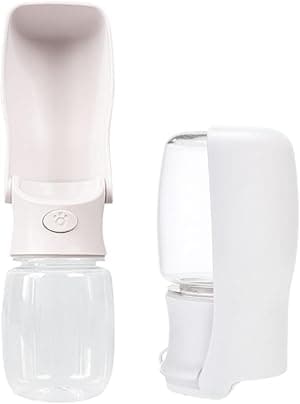 Dog Walk Water Bottle 350ml FoldableEssential for morning/evening outdoor practice sessionsAmazonで価格をチェック
For any outdoor training during summer, heat protection gear is non-negotiable:
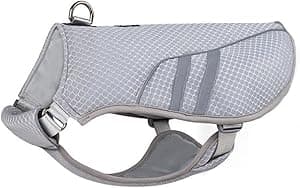 ICOUCHI Dog Cooling VestWet and wear to help regulate body temperature outdoorsAmazonで価格をチェック
 SOHAPI Dog Ice Neck Ring PCM 24 degrees MKeeps the neck cool during short outdoor sessionsAmazonで価格をチェック
Special Note: Puppies Born in Summer
Puppies go through a critical socialization window from 3 to 12 weeks old. Summer puppies face two simultaneous challenges: outdoor access restrictions before vaccination completion, plus extreme heat.
Indoor socialization steps for summer puppies:
- Gradually expose to household sounds: vacuum cleaners, hair dryers, TV
- Introduce multiple people so your puppy learns humans are safe
- Practice crate/carrier acceptance (essential for vet visits and emergencies)
Once vaccinations are complete (typically around 16 weeks), begin short outdoor exposure during early morning or late evening cooler hours.
3 Actions You Can Take Today
- Tonight: practice name recognition for 3 minutes. Turn off the TV, grab 10 small treats, and start with step 1. That's it. Your relationship with your dog will noticeably improve.
- Check your room temperature now. Set your air conditioner to maintain 26 degrees C (79 F) or lower during training sessions.
- Calculate your treat budget. Training treats should account for no more than 10% of your dog's daily calorie intake. Reduce their meal portion slightly on training days.
FAQ
Q1. When should I start training my dog?
A. Training can begin as early as 8 weeks of age. Start with name recognition and basic eye contact. The socialization window between 3 and 16 weeks is critical for long-term behavior, so the sooner you start building positive associations, the better.
Q2. Why does my dog ignore commands?
A. The most common cause is delayed reward timing. Dogs learn in real-time - the reward must come within 0.5 to 1 second of the correct behavior. Another frequent issue is using the command repeatedly before the dog responds, which teaches them to ignore the first cue.
Q3. Is it safe to train outside during summer?
A. Outdoor sessions should be limited to before 6 AM or after 7 PM when temperatures are below 25 degrees C (77 F). Always check pavement temperature with your hand before allowing your dog to walk on it. If you can't hold your hand on the surface for 5 seconds, it's too hot for paw pads.
Q4. How many treats can I give during training?
A. Training treats should make up no more than 10% of your dog's total daily calorie intake. For a 5 kg (11 lb) adult dog, that is roughly 40-45 kcal worth of treats. Use small pieces and reduce the main meal accordingly.
Q5. How much does professional dog training cost in Japan?
A. Group puppy classes typically run 3,000 to 8,000 yen per session, or 10,000 to 20,000 yen per month for weekly classes. Most trainers recommend starting at 4 months after vaccinations are complete. Private in-home sessions range from 10,000 to 20,000 yen per session.
Track Your Training Progress With PETTAS
One of the hardest parts of dog training is staying consistent. "Did we practice recall yesterday?" "How many treats did we give this week?" Without a record, it's easy to lose momentum.
PETTAS is a pet health management app built by pet owners for pet owners. You can log training milestones, set reminders for monthly heartworm prevention, track weight, and share records with your family - all in one place. When training and health management are connected, both become easier to maintain.
Start tracking today: PETTAS Official Site
References
- American Veterinary Society of Animal Behavior (AVSAB) - Position statement on humane training methods and early socialization
- AAHA Puppy and Kitten Care Guidelines - Evidence-based training and socialization timeline recommendations
- Merck Veterinary Manual - Behavior Problems in Dogs - Clinical overview of positive reinforcement-based behavior modification
- Cornell University College of Veterinary Medicine - Canine heatstroke prevention and first aid guidance
- Japan Veterinary Medical Association - Official guidance on pet welfare, appropriate training, and summer heat management
Recommended products5 picks
#ad Contains Amazon affiliate links
Family sharing
Share every care note with the whole family
Walks, training notes, vaccinations, and meds in one place. No more 'did you give the meds?' messages in the family chat.
All features free for 14 days — no card required
Get the latest articles by email
Weekly updates on pet health, medications, and insurance — straight to your inbox.
Share this article
Related Articles
60C Pavement: 4 Dog Walk Mistakes Causing Heatstroke (2026)
2026-05-17

Best 5 Heat Protection Gear for Dogs in 2026 | Keep Your Pup Safe This GW Season
2026-05-03

5 Basic Dog Training Steps: A Complete Spring Guide for Puppy Owners
2026-04-07

3 Must-Know Tips: Dog Ear & Skin Care in Rainy Season (2026)
2026-06-18

5 Rainy Season Skin Problems in Dogs: Vet-Approved Fixes (2026)
2026-06-13