

5 Reasons Pet Eye Discharge Worsens in Humidity (2026)

PETTAS Editorial Team
Up-to-date pet health guidance
High humidity triggers tear stains, eye discharge & conjunctivitis in dogs and cats. Learn 5 causes, a daily wipe routine, and red-flag signs to watch. Quick-pick care chart inside.
Contents(10)
Last updated: 2026-06-26
Noticed more eye gunk or reddish-brown staining around your pet's eyes lately? You're not imagining it. When indoor humidity climbs above 70%, the warm, moist environment around a dog or cat's eyes becomes a prime breeding ground for bacteria and yeast — making eye discharge and tear staining significantly worse. Left unmanaged, what starts as a cosmetic nuisance can escalate into skin infections or conjunctivitis. This guide breaks down the five main reasons humid weather affects your pet's eyes, walks you through a simple daily care routine, and tells you exactly when to call your vet.
Why Humidity Makes Eye Problems Worse: 5 Key Causes
1. Bacterial and Yeast Overgrowth
Tear staining is caused by porphyrins — pigments excreted through tears. In humid conditions (70-90% relative humidity), red yeast such as Malassezia and bacteria like Staphylococcus thrive in the constantly moist fur around the eyes, deepening the reddish-brown color and creating an unpleasant odor.
2. Indoor Allergens: Mold Spores and Dust Mites
Mold populations spike during rainy seasons. Mold spores and dust mite allergens irritate the mucous membranes of the eye, triggering chronic low-grade inflammation and increased tear production — which means more discharge to clean up every day.
3. Post-Walk Contamination
After walks on wet pavement, mud, pollen, and environmental bacteria are easily transferred to your pet's face. Incomplete wiping after walks leaves contaminants sitting against the delicate skin around the eyes for hours.
4. Narrow Nasolacrimal Ducts
Some dogs and cats have naturally narrow tear ducts that prevent tears from draining efficiently into the nasal passage. Excess tears spill onto the face and keep the surrounding fur perpetually wet — a problem that gets noticeably worse in high-humidity environments.
5. Air Conditioner-Induced Dryness
Counterintuitively, starting to use the AC to combat summer humidity can cause the opposite problem: dry indoor air. This can reduce the tear film quality, leading to dry, irritated eyes that produce thick, sticky discharge rather than the usual watery type.
Common Owner Mistakes and Red-Flag Signs to Watch
Mistakes to Avoid
- Wiping with dry tissue paper — Friction on thin periocular skin causes irritation. Always use a damp cotton pad, wiping gently from the inner to outer corner of the eye.
- Using human eye drops — Preservatives, pH levels, and osmolarity in human products are not formulated for pets and can damage the corneal surface.
- Ignoring "small amounts" of daily discharge — Even minor daily discharge that persists for more than a week warrants a vet check.
Red-Flag Signs Checklist (Vet Visit Needed)
- Yellow, green, or pus-like discharge
- Pet keeps eye closed or squints frequently
- Pawing at the face or rubbing eyes on the floor
- Red, swollen conjunctiva (whites of the eye look pink/red)
- White cloudiness or visible scratch on the cornea
- Sudden doubling of discharge volume
- Only one eye affected (possible infection)
- Skin around the eye is raw or inflamed
Daily Eye Care Routine: 3 Simple Steps
Step 1: Wipe Once or Twice Daily
Use a clean cotton pad dampened with lukewarm water (38-40 degrees Celsius / 100-104 degrees Fahrenheit). Wipe gently from the inner corner outward in one direction. Use a fresh section of cotton for each wipe to avoid spreading bacteria. Each eye should take about 30 seconds.
Step 2: Keep Periocular Hair Trimmed
Hair that touches or crosses the eye acts like a wick, drawing tears onto the skin and trapping bacteria. Aim to trim the hair around the eyes once a month — either at a grooming salon or carefully at home with blunt-tipped scissors.
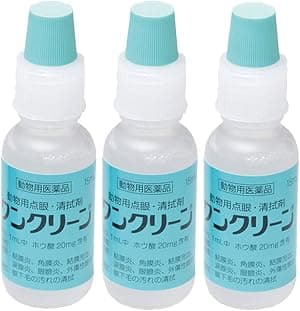
Step 3: Use a Pet-Safe Eye Rinse
A pet-specific eye wash solution can help flush out irritants and reduce microbial load around the tear ducts. Use 2-3 times per week as maintenance, or as directed on the product label.
Recommended Products
For day-to-day eye care, keeping a reliable pet-safe eye rinse on hand makes the routine much easier to stick to.
Diet and Environment: Addressing the Root Cause
Topical wiping is important, but it only manages the symptom. Reducing the underlying inflammation and allergen load is what leads to lasting improvement.
Diet adjustments:
- Reduce artificial additives and colorings in food — some owners report improvement in tear staining when switching to a minimally processed diet.
- Add omega-3 fatty acids (EPA/DHA) to support the anti-inflammatory response and improve tear film quality.
Environment adjustments:
- Keep indoor humidity below 60% using a dehumidifier or AC dry mode.
- Wash your pet's bedding weekly to reduce dust mite and mold allergen accumulation.
- Consider a HEPA air purifier to reduce airborne mold spores.
For environmental allergen control and joint/skin anti-inflammatory support:
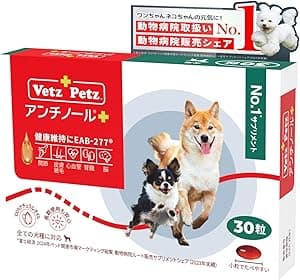 Antinol Plus Dog Supplement, 30 CapsulesEPA/DHA-rich supplement to support skin, coat, and eye-area inflammation control.Amazonで価格をチェック
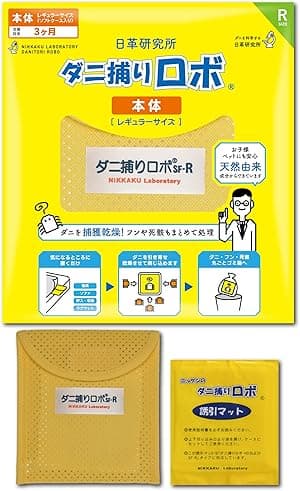 Dani Tori Robot Dust Mite Trap, Regular SizeChemical-free mite capture for pet sleeping areas. Reduces the allergen load that triggers eye and skin irritation.Amazonで価格をチェック
When to See the Vet: Urgency Guide
| Symptom | Urgency |
|---|---|
| Yellow/green/pus discharge | See vet same day or next day |
| Eye kept closed, intense squinting | See vet same day |
| White cloudiness on cornea | See vet same day |
| Redness lasting 3+ days | See vet within 2-3 days |
| Only one eye affected, discharge persists | See vet within 2-3 days |
| Clear daily discharge, no other symptoms | Consult within 1 week |
Eye conditions in pets progress faster than most owners expect. Corneal ulcers, for example, can develop within 24-48 hours from untreated infections. When in doubt, err on the side of calling your vet.
3 Actions You Can Take Starting Today
- Tonight, check your pet's eyes under good lighting — compare what you see against the red-flag checklist above.
- Set a morning wipe routine starting tomorrow — tie it to something you already do every morning (like making coffee) so it sticks.
- Take a photo once a week for the next month — a simple photo log lets you objectively track whether the situation is improving, staying the same, or getting worse.
FAQ
Q1. Can tear staining be permanently cured?
A. If the cause is structural (narrow tear ducts), complete elimination is unlikely, but consistent management can significantly lighten the staining. Expect to see gradual improvement over 2-3 months as the fur grows out with regular care in place.
Q2. How do I tell normal eye discharge from conjunctivitis?
A. Clear or light gray discharge in small amounts is usually normal. Yellow, green, or thick discharge combined with redness, squinting, or pawing at the eye suggests infection — visit a vet within 24-48 hours.
Q3. Is eye discharge in puppies and kittens normal?
A. A small amount of clear discharge when eyes first open (around 2-3 weeks of age) can be normal. Yellow-green discharge, sealed-shut eyes, or asymmetric symptoms indicate neonatal conjunctivitis, which requires immediate veterinary attention.
Q4. How often should I use a pet eye rinse?
A. For maintenance and tear stain prevention, 2-3 times per week is a common recommendation for wash-type products. Prescription eye drops should always follow your vet's dosing schedule exactly.
Q5. How much does treating conjunctivitis in pets typically cost?
A. A standard consultation plus antibiotic eye drops typically runs $50-150 USD depending on your location and clinic. Catching it early keeps treatment simple and affordable — untreated cases that progress to corneal ulcers can cost significantly more.
Track Eye Care with PETTAS
Eye care only works when it's consistent — and consistency requires a system. I built PETTAS because I kept hearing from pet owners that they meant to keep records, meant to do daily care, but life got in the way.
With PETTAS, you can:
- Set daily care reminders so the morning wipe routine never gets skipped
- Log photos and notes on the health timeline to track improvement over weeks
- Share records with family members so everyone knows who did the wipe today
- Use AI health analysis to get a heads-up when recorded patterns suggest it's time to check in with the vet
If you want to turn the care habits in this article into something that actually sticks, PETTAS can help.
Start tracking for free with PETTAS
References
- Merck Veterinary Manual – Conjunctivitis in Animals — Clinical overview of causes, diagnosis, and treatment of ocular surface disease in dogs and cats
- AVMA – Pet Eye Health Resources — Owner-facing guidance on recognizing and responding to eye problems in companion animals
- Cornell University College of Veterinary Medicine — Evidence-based information on feline and canine eye conditions including epiphora and nasolacrimal duct disorders
- AAHA – Ophthalmic Care Guidelines — American Animal Hospital Association standards for ocular examination and preventive care
- Japan Veterinary Medical Association (JVMA) — Clinical practice references for companion animal ophthalmology used in Japanese veterinary settings
Recommended products3 picks
#ad Contains Amazon affiliate links
Ready to start managing your pet's health with PETTAS?
Medication tracking, health logs, and family sharing in one app. 14-day free trial — all features included.
All features free for 14 days — no card required
Get the latest articles by email
Weekly updates on pet health, medications, and insurance — straight to your inbox.
Share this article
Related Articles

5 Steps to Fix Pet Bad Breath & Tartar in Rainy Season (2026)
2026-06-16

5 Warning Signs: Dog & Cat Ear Infections in Rainy Season (2026)
2026-06-04

5 Science-Based Habits to Extend Your Pet's Healthy Life (2026)
2026-06-25

5 Signs of Rainy-Season Paw Problems in Dogs & Cats (2026)
2026-06-23

7 Early Signs of Heart Disease in Dogs & Cats (2026)
2026-06-22