

5 Vet-Approved Ways to Fight Pet Odor in Rainy Season (2026)

PETTAS Editorial Team
Up-to-date pet health guidance
Humidity above 70% triggers skin yeast and bacteria on pets. Fix the root cause with 5 science-based grooming tips. Free checklist inside.
Contents(8)
Last updated: 2026-06-27
Does your pet smell worse than usual even after a recent bath? During Japan's rainy season, indoor humidity regularly climbs above 70-80%, creating ideal conditions for Malassezia yeast and bacteria to multiply on your pet's skin. This is not just a comfort issue -- it can be an early sign of skin disease.
In this guide, you will learn exactly why rainy-season odor happens, the mistakes most owners make, and 5 practical steps to keep your pet smelling clean and healthy all season.
Why Pets Smell Worse in Humid Weather
There are three main causes of rainy-season pet odor:
1. Yeast and bacteria thrive in moisture. Malassezia, a naturally occurring yeast on your pet's skin, multiplies rapidly when humidity is high. It feeds on sebum (skin oil) and produces that characteristic sour, musty smell. The ears, paw folds, and groin are especially vulnerable.
2. Loose undercoat traps moisture. June is still shedding season for many breeds. Dead undercoat that isn't brushed out holds moisture against the skin, creating a warm, damp environment where microbes grow fast.
3. Wet paws after walks. Walking on wet pavement and grass during the rainy season soaks the paw pads and the fur between the toes. Research suggests bacteria can begin multiplying within 30 minutes if paws are left damp.
3 Common Grooming Mistakes to Avoid
When a pet starts to smell, the instinct is to bathe more often. But over-bathing (more than twice a month) strips the skin's natural oils, weakens the moisture barrier, and can actually make bacterial and yeast problems worse.
Other common mistakes include:
- Incomplete drying: If the undercoat stays damp after a bath, you are creating a perfect breeding ground for the very microbes you are trying to remove. Always dry down to the skin root, using a low-heat dryer.
- Masking odor with fragrance sprays: Covering the smell without addressing the microbial cause is temporary at best. Look for sprays with enzyme-based or antimicrobial ingredients that actually break down odor sources.
5 Steps to Control Pet Odor and Skin Issues in the Rainy Season
Step 1: Switch to an Antimicrobial Shampoo (Once or Twice a Month)
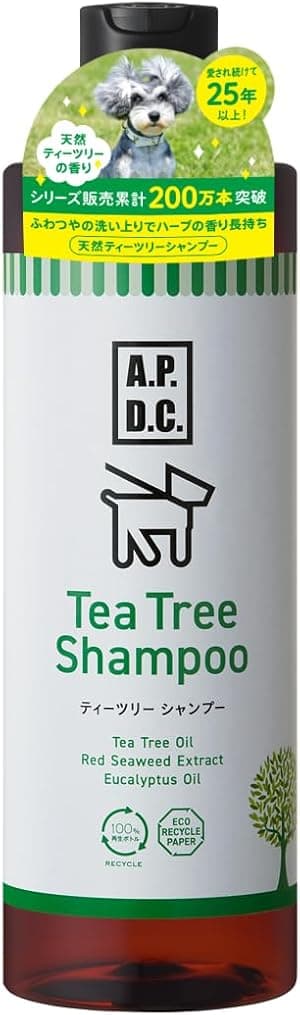
Shampoos containing tea tree oil or neem have documented antimicrobial and antifungal properties. Used monthly or bimonthly, they help reduce Malassezia populations before they cause visible skin problems. Rinse thoroughly -- residual shampoo can itself irritate the skin.
Useful product for this step:
Step 2: Brush 2 to 3 Times per Week
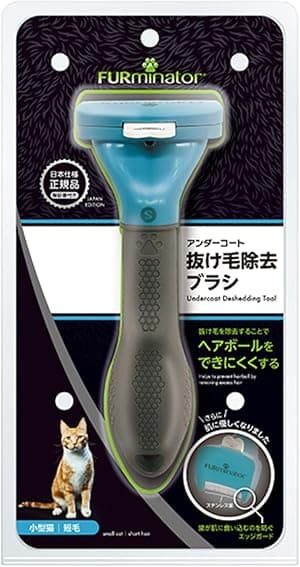
Frequent brushing removes dead undercoat that traps moisture, improves air circulation to the skin, and gives you a chance to check for early skin problems (redness, flaking, hot spots). Aim for 5 to 10 minutes per session. For cats and dogs with dense coats, a deshedding tool reaches the undercoat effectively.
Step 3: Create a Post-Walk Drying Routine
After every walk, dry the paws, paw pads, between the toes, the belly, and the chest with a clean towel, then follow with a low-heat dryer for 3 to 5 minutes. This single habit eliminates one of the biggest contributors to rainy-season skin problems.
If your pet resists paw drying, try pairing each session with a small treat. Within one to two weeks, most pets learn to tolerate -- or even enjoy -- the routine.
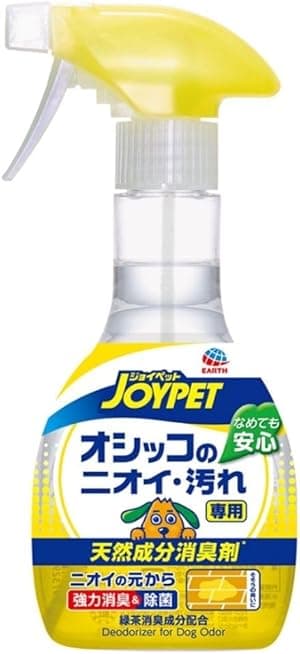
Step 4: Treat Indoor Odor Sources with an Enzyme Cleaner
Pet odor saturates bedding, sofas, and the area around the toilet mat. In humid weather, those absorbed odor molecules evaporate back into the air more readily. Enzyme-based cleaners break down urea and uric acid at a molecular level rather than just masking the smell.
Step 5: Control Indoor Mites and Mosquitoes
The rainy season is also peak breeding time for house dust mites (optimal conditions: 25-28 degrees C / 77-82 F, humidity 60-80%). Mite bites cause skin irritation and itching that can be mistaken for allergies. At the same time, mosquitoes that transmit heartworm become active from June onward.
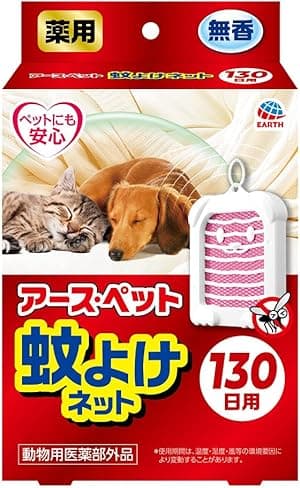 Earth Pet Mosquito Net 130-Day Type- Long-lasting indoor mosquito protection; safe to use around petsAmazonで価格をチェック
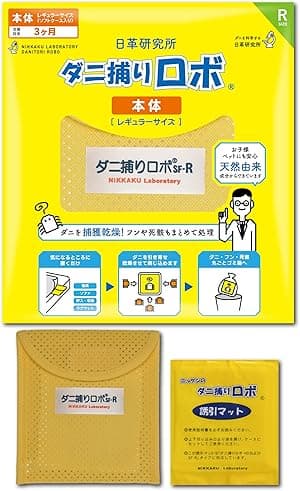 Nikkaku Labo Dani-Tori Robot (Regular)- Non-toxic mite trap; place under bedding or sofa to capture mites without chemicalsAmazonで価格をチェック
Rainy Season Pet Hygiene Checklist
Run through this checklist each week during June through August:
- Brushed the coat 2 to 3 times this week
- Paws dried thoroughly after every walk
- No redness, flaking, or unusual smell from ears
- No excessive scratching, licking, or rubbing
- Bedding washed or aired out
- Enzyme cleaner applied to toilet area
- Mite trap and mosquito repellent in place
When to See a Vet
Home care is effective for prevention, but see a veterinarian promptly if you notice:
- A persistent or worsening smell from one specific area (ears, paws, skin folds)
- Redness, pustules, or hair loss
- Your pet scratching or licking intensely for more than a few days
- Head shaking or pawing at the ears
- Any change in appetite or energy alongside skin changes
Ear odor in particular is a common early sign of otitis externa (outer ear infection), which becomes chronic and harder to treat if left more than two to three weeks.
Track Your Rainy-Season Care with PETTAS
Keeping track of the last shampoo date, the first day you noticed a skin change, or when you started a new grooming routine is harder than it sounds when you are managing it all in your head.
I built PETTAS as a health tracking app for exactly this kind of daily care. You can log grooming sessions, note skin observations on a health timeline, set medication reminders, and share records with other household members -- all in one place. When you visit the vet, having a clear timeline of what changed and when makes the consultation much more efficient.
Start tracking today: PETTAS Official Site
FAQ
Q1. How often should I bathe my dog during the rainy season?
A. Once or twice a month is generally appropriate. Bathing more than that removes natural oils that protect the skin barrier, which can increase bacterial and yeast activity. If odor returns within days of a bath, focus on identifying the source (ears, paws, bedding) rather than bathing more frequently.
Q2. Can I use human deodorizing sprays on my pet?
A. No. Many human products contain alcohol or essential oil concentrations that are toxic to pets, particularly cats. Always use products labeled specifically for pets.
Q3. How do I know if my pet's smell is a sign of skin disease?
A. If the odor is localized to one area (especially the ears or paw pads), returns quickly after bathing, or comes with redness and scratching, it is likely a skin or ear condition rather than normal body odor. A veterinary skin examination is recommended in those cases.
Q4. How often should I replace a mite trap?
A. Follow the manufacturer's instructions; most products recommend replacing every 1 to 3 months. During peak mite season (June through September), replacing every 4 to 6 weeks provides better coverage.
Q5. My pet hates having its paws dried. What can I do?
A. Start with just touching the paws with a dry towel for a few seconds, then immediately offer a treat. Repeat daily. Most pets accept the routine within 1 to 2 weeks once they associate it with a positive reward. Keep sessions under 30 seconds at first and gradually extend.
References
- Japanese Society of Veterinary Dermatology (JSAVD) -- Seasonal patterns and diagnostic guidelines for Malassezia dermatitis in dogs and cats
- Merck Veterinary Manual: Malassezia Dermatitis -- Evidence-based overview of causes, clinical signs, and treatment of yeast overgrowth on pet skin
- AVMA: Pet Hygiene and Zoonotic Disease Prevention -- Recommendations for maintaining pet hygiene to reduce disease transmission risk
- AAHA Dermatology Guidelines -- Best practices for diagnosing and managing common skin conditions in companion animals
- Japan Ministry of the Environment: Animal Welfare Standards -- Official standards for pet hygiene and husbandry management in Japan
Recommended products5 picks
#ad Contains Amazon affiliate links
Ready to start managing your pet's health with PETTAS?
Medication tracking, health logs, and family sharing in one app. 14-day free trial — all features included.
All features free for 14 days — no card required
Get the latest articles by email
Weekly updates on pet health, medications, and insurance — straight to your inbox.
Share this article
Related Articles

5-Step Home Grooming Guide for Dogs & Cats (2026)
2026-06-19

Fleas in 2-3 Weeks: 5 Rainy Season Pet Pest Tips (2026)
2026-06-17

5 Signs of Rainy-Season Paw Problems in Dogs & Cats (2026)
2026-06-23
Rainy Season Pet Care: 5 Must-Have Grooming Picks (2026)
2026-06-02

5 Reasons Pet Eye Discharge Worsens in Humidity (2026)
2026-06-26