
Senior Dog Summer: 5 Best Cooling Gear Picks (2026)

PETTAS Editorial Team
Up-to-date pet health guidance
Senior dogs overheat 2x faster. Side-by-side comparison of 5 cooling gear types - mats, neck rings, hydration aids & more. Quick-pick chart inside.
Contents(8)
Last updated: 2026-07-08
Senior dogs lose their ability to regulate body temperature far more quickly than younger dogs - and July is peak danger season. If your dog is slowing down with age, the right cooling gear can genuinely be a lifesaver. This guide compares 5 types of summer cooling products specifically chosen with older dogs in mind.
Quick Pick: Best 4 by Use Case
| Use Case | Product Type | Why It Wins |
|---|---|---|
| Best Overall | Aluminum-gel cool mat | From $20 - no electricity, easy to clean, low-entry design |
| Best Budget | Electrolyte hydration powder | From $8/mo - mix into water, prevents dehydration cheaply |
| Best for Outdoor Use | PCM neck cooling ring | From $15 - melts at 24C, gentle on senior dogs' necks |
| Best for Joint Care | Low-profile orthopedic cooling bed | From $40 - pressure relief + heat dissipation combined |
"Not sure where to start?" - grab the cool mat first. Simple, safe, and immediately effective.
How to Choose Senior Dog Cooling Gear
1. Prioritize "heat release" not just "cold contact"
As dogs age, their thermoregulation declines. The goal is not just cooling on contact but allowing body heat to escape continuously. Look for materials with high thermal conductivity (aluminum) or phase-change properties (PCM).
2. Low-entry design for weaker joints
Senior dogs with joint pain or muscle weakness may avoid products they find hard to climb onto. Choose mats and beds with low or flat profiles and non-slip surfaces.
3. Easy cleaning is non-negotiable
Older dogs often have more sensitive skin. Any cooling product should have a removable, machine-washable cover to maintain hygiene and prevent skin irritation.
4. Support hydration actively
Senior dogs lose their sense of thirst. Pair cooling gear with electrolyte supplements or a circulating water fountain to reduce dehydration risk.
Top 5 Senior Dog Cooling Products for Summer 2026
1. Aluminum + Gel Cool Mat
Price range: $15-40
The most popular entry-level choice. The dual-layer aluminum and gel construction absorbs body heat on contact without electricity. Gel padding softens the surface, making it more comfortable for dogs with sensitive joints. Look for models with removable, washable covers.
Best for: First-time cooling gear buyers; dogs who spend most of the day indoors.
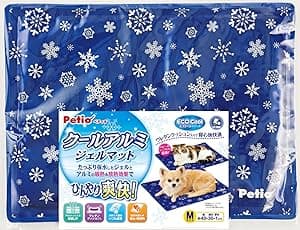 Petio Cool Aluminum Gel Mat Mdual-layer design, M size for small to medium dogsAmazonで価格をチェック
 Petio Aluminum & Gel Soft Cool Mat Llarger size with softer surface texture for joint comfortAmazonで価格をチェック
2. Orthopedic Low-Profile Cooling Bed
Price range: $40-120
Combines pressure-distributing memory foam with breathable summer covers - tackling both heat and pressure sore risk simultaneously. Senior dogs that sleep 16+ hours a day benefit most. Look for beds with side ventilation, mesh panels, and covers that zip off for washing.
Best for: Dogs that have started lying down most of the day; owners concerned about pressure sores.
3. PCM Neck Cooling Ring
Price range: $12-25
PCM (Phase Change Material) technology absorbs heat as it slowly melts at around 24°C (75°F), providing gentle, sustained cooling rather than a sudden shock of cold. Placed around the neck near major blood vessels, it efficiently lowers core body temperature. Ideal for short walks or trips when you cannot rely on air conditioning alone.
Best for: Senior dogs that still go on short walks; households without reliable AC coverage.
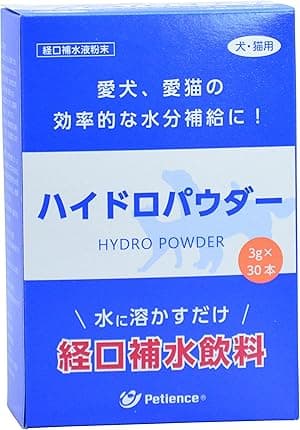
4. Electrolyte Hydration Powder
Price range: $8-18/month
Older dogs frequently drink less water, increasing dehydration and heatstroke risk. Electrolyte powders added to drinking water or wet food improve fluid absorption and encourage intake. Individual stick packs make dosing precise and easy. Always confirm with your vet before use if your dog has kidney or heart conditions.
Best for: Senior dogs that drink noticeably less; owners who want a low-cost, high-impact addition to their routine.
5. Circulating Water Fountain
Price range: $25-55
Dogs (and cats) instinctively prefer moving water over stagnant water, which means a fountain often increases daily water intake compared to a static bowl. Built-in filters keep water clean and fresh-tasting. Some models allow height adjustment, reducing neck and spine strain for senior dogs with limited mobility.
Best for: Senior dogs that ignore their water bowl; households with both dogs and cats.
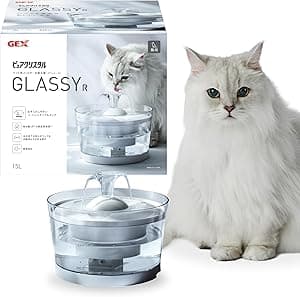 GEX Pure Crystal Glassy R 1.5Lquiet motor, filter-equipped, suitable for dogs and catsAmazonで価格をチェック
 GEX Pure Crystal (Standard Cat Model)compact size, cost-effective for multi-unit setupsAmazonで価格をチェック
Comparison Table: Senior Dog Summer Cooling Gear
| Type | Price Range | Primary Benefit | Best Matched to |
|---|---|---|---|
| Aluminum + Gel Cool Mat | $15-40 | Contact cooling, heat absorption | Indoor resting dogs |
| Orthopedic Cooling Bed | $40-120 | Pressure relief + heat dissipation | Dogs sleeping most of the day |
| PCM Neck Cooling Ring | $12-25 | Spot cooling at major blood vessels | Short-walk dogs |
| Electrolyte Hydration Powder | $8-18/mo | Fluid and mineral replenishment | Dogs with reduced water intake |
| Circulating Water Fountain | $25-55 | Increased daily water consumption | Dogs that ignore static bowls |
Final Recommendation
For most senior dog owners, starting with an aluminum-gel cool mat covers the biggest risk at the lowest cost. Add electrolyte hydration powder if your dog is drinking less than usual - this combination addresses both the "overheating" and "dehydration" risks that make summer dangerous for older dogs.
If your dog is mostly bedbound, upgrade to an orthopedic cooling bed for long-term comfort and pressure sore prevention.
Track Your Senior Dog's Health with PETTAS
Buying the right gear is step one. Knowing whether it's working is step two.
With senior dogs, small changes in weight, appetite, and energy level are early warning signals that are easy to miss day-to-day. Logging weekly weight and daily activity in a health app makes those trends visible before they become emergencies.
PETTAS was built with exactly this in mind - tracking weight, meals, medications, and wellness notes in one place, so you can spot changes and bring concrete data to your vet when something feels off.
Start tracking your senior dog's health with PETTAS
FAQ
Q1. At what age should I start treating my dog as "senior" for heat precautions?
A. As a general guide, small breeds are considered senior around 12 years and large breeds around 8 years. However, thermoregulation decline varies by individual. If your dog seems more heat-sensitive or fatigues faster in warm weather than before, start extra precautions regardless of age.
Q2. Cool mat or neck ring - which should I buy first?
A. If your dog spends most of the day indoors, start with a cool mat - it offers the most coverage for the cost. If your dog still goes on short walks, add a PCM neck ring for outdoor use. Both together is ideal if budget allows.
Q3. Are electrolyte powders safe for senior dogs with kidney disease?
A. Not necessarily. Dogs with kidney or heart disease may need to restrict certain minerals. Always consult your veterinarian before adding any electrolyte supplement to a senior dog's diet, especially if they are already on a prescription diet.
Q4. Can cool mats cause hypothermia or cold shock in senior dogs?
A. Standard aluminum-gel mats and PCM products regulate to body temperature and are very unlikely to overcool. Avoid products requiring ice packs directly against skin. Monitor your dog during first use and stop if shivering or lethargy appears.
Q5. How do I know if my senior dog is drinking enough water in summer?
A. A simple test: gently pinch the skin at the back of the neck - if it snaps back slowly, dehydration may be present. Monitoring daily water intake volume and logging it gives you a reliable baseline to compare against. If water intake drops noticeably for more than a day, contact your vet.
References
- Heat Stroke in Dogs - Merck Veterinary Manual - Clinical explanation of heatstroke pathophysiology and first-aid protocols
- AAHA Senior Care Guidelines for Dogs and Cats (AAHA, 2023) - Evidence-based standards for senior pet health management
- Pet Heatstroke Prevention Guidelines - Ministry of the Environment, Japan - Official Japanese government guidance on pet heatstroke prevention
- Hydration and Water Intake in Dogs - Today's Veterinary Practice - Clinical review of daily water requirements and dehydration risk factors in dogs
- Japan Veterinary Medical Association - Pet Care Basics - General senior pet care and environmental management guidelines
Recommended products5 picks
#ad Contains Amazon affiliate links

Family sharing
Share every care note with the whole family
Walks, training notes, vaccinations, and meds in one place. No more 'did you give the meds?' messages in the family chat.
All features free for 14 days — no card required
Get the latest articles by email
Weekly updates on pet health, medications, and insurance — straight to your inbox.
Share this article
Related Articles

Top 5 Dog Cooling Gear for Summer Heat (2026)
2026-07-04

Best 5 Dog Water Bottles for Walks & Travel 2026|Beat the Heat This GW Season
2026-05-05

7 Must-Know Tips for Your Puppy's First Vet Visit (2026)
2026-07-06

5-Step Dog Training Guide: Safe Methods for Summer 2026
2026-07-02

3 Must-Know Tips: Dog Ear & Skin Care in Rainy Season (2026)
2026-06-18