

7 Must-Know Tips for Your Puppy's First Vet Visit (2026)

PETTAS Editorial Team
Up-to-date pet health guidance
60% of first-time owners miss key puppy care steps in month one. Vaccine schedule, summer heat risks, and vet prep checklist inside. Read the full guide.
Contents(10)
Last updated: 2026-07-06
Brought home a new puppy and not sure when or how to book that first vet visit? You're not alone — and getting it right in those early weeks makes a bigger difference than most owners realize.
According to veterinary guidelines from AAHA, puppies need a series of core vaccines starting as early as 6 weeks of age, yet many owners wait too long or miss follow-up appointments entirely. In July, with outdoor temperatures peaking, there's an added layer of risk for puppies whose thermoregulation is still developing.
This guide covers 7 practical tips for your puppy's first health checkup, including a summer-specific safety checklist and a full vaccine timeline.
When Should a Puppy See the Vet for the First Time?
The short answer: within 3 to 7 days of bringing your puppy home.
Here's why timing matters:
- 6 to 8 weeks old: Many breeders administer the first round of vaccines before handover. Always ask for the vaccination record.
- First 3 to 7 days at home: A general health exam, fecal test for parasites, and baseline weight check. Puppies are stressed by transitions and can hide illness well.
- 8, 12, and 16 weeks: Core vaccine series (distemper, parvovirus, adenovirus, etc.) given roughly 4 weeks apart.
- 12 to 16 weeks and beyond: Rabies vaccination (required by law in most regions after 91 days of age), plus discussion of spay/neuter and heartworm prevention.
July-specific note: If you're visiting the vet in peak summer heat, schedule appointments before 8 a.m. or after 6 p.m. Pavement temperatures can exceed 60 degrees C (140 degrees F) at midday — dangerous for unprotected paw pads and a real heatstroke risk for puppies.
5 Things to Tell Your Vet at the First Visit
Many owners leave the exam room wishing they'd mentioned something. Prepare these five points in advance:
- Where the puppy came from (breeder, shelter, pet store) — affects infection risk assessment
- All prior vaccines and deworming treatments — bring paper records or photos of them
- Current diet — food brand, quantity, and feeding frequency
- Stool appearance — color, consistency, and how often (bring a fresh sample if possible)
- Any behavioral concerns — sneezing, low appetite, unusual lethargy, even brief episodes
A Mistake Many First-Time Owners Make
"My puppy seems fine, so I'll wait and see." Puppies instinctively mask discomfort. Intestinal parasites, congenital heart murmurs, and early infections often show no obvious symptoms until they become serious. The first vet visit is about finding problems before they escalate — not just confirming good health.
Puppy Vaccine Schedule at a Glance
| Age | Core Care |
|---|---|
| 6 to 8 weeks | First combination vaccine, fecal test |
| 10 to 12 weeks | Second combination vaccine, flea/tick prevention start |
| 14 to 16 weeks | Third combination vaccine, rabies vaccine |
| Around 6 months | Spay/neuter consultation, heartworm prevention review |
| Annually | Booster vaccines, heartworm test, full health exam |
Pre-visit checklist
- Vaccination records gathered and packed
- Fresh stool sample collected in a sealed container
- Appointment booked for early morning or evening (summer heat)
- Carrier or crate prepared and familiar to the puppy
- Questions written down in advance
- Vet clinic contact number saved in your phone
Summer Heat Warning: Signs of Heatstroke in Puppies
In July, outdoor temperatures in many parts of Japan exceed 35 degrees C (95 degrees F). A puppy's ability to regulate body temperature is significantly less developed than an adult dog's, making heatstroke a real danger even during short trips.
Watch for these warning signs during travel:
- Rapid, heavy panting
- Lethargy or reluctance to move
- Excessive drooling
- Pale, white, or bluish gums
- Vomiting
If any of these appear, move the puppy to a cool, shaded area immediately. Wet a towel with cool (not ice cold) water and wrap it around the body. Call the vet clinic before continuing travel.
When to Call the Vet Immediately
If the puppy loses consciousness, has seizures, or gums turn blue or white, this is a veterinary emergency. Do not wait.
Recommended Items for Summer Vet Visits
Here are a few items that make summer vet trips safer and more comfortable for your puppy.
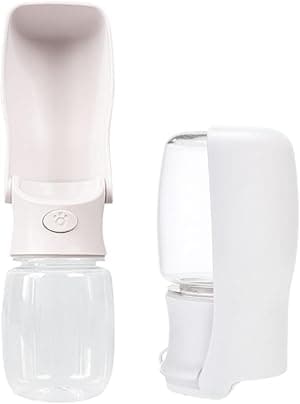 Foldable Dog Water Bottle 350mlkeep your puppy hydrated during travel and waiting room timeAmazonで価格をチェック
 Richell Camping Carry Fine Double Door Sexcellent ventilation for summer, opens from both top and frontAmazonで価格をチェック
 Petio Boro-chan Small Training Treats 120guse small treats at the clinic to build a positive association with the vetAmazonで価格をチェック
How to Make the First Vet Visit a Good Memory
The first clinic experience shapes how your puppy feels about veterinary care for life. Here's how to make it positive:
- Bring high-value treats: Small, soft training treats given during the exam signal safety and reward calm behavior.
- Crate-train before the visit: Introduce the carrier as a normal resting spot 1 to 2 weeks before the appointment. A familiar space reduces anxiety during transport.
- Stay calm yourself: Puppies read emotional cues from their owners. A relaxed, reassuring tone during the exam goes a long way.
Some clinics offer "happy visits" — no exam, just a friendly interaction with staff and a treat. If your puppy shows signs of fear at the first visit, ask if this is an option for follow-up appointments.
3 Actions to Take Today
- Choose a primary veterinary clinic and call to ask about their new puppy exam process — book within the week if possible.
- Gather all vaccination records into one folder or photo album on your phone — you'll need these at every visit.
- Set calendar reminders for the second and third vaccine appointments now — 4 weeks and 8 weeks from today.
FAQ
Q1. How much does a puppy's first health checkup cost?
A. In Japan, a basic exam with fecal testing typically runs 2,000 to 5,000 yen (approximately USD 13 to 33). If vaccines are included in the same visit, add roughly 3,000 to 8,000 yen per dose. Prices vary by clinic and region, so call ahead to confirm.
Q2. When can puppies start going on walks after vaccination?
A. Most veterinarians recommend waiting 1 to 2 weeks after the third and final core vaccine before walking in public areas. In summer, even after clearance, stick to early morning walks on cool surfaces to protect developing paw pads.
Q3. When should heartworm prevention start for a new puppy?
A. In Japan, the mosquito season runs roughly from May through November. Puppies adopted in July should begin heartworm prevention immediately. Most preventives are approved for use from 8 weeks of age — confirm the correct product and dosage with your vet at the first visit.
Q4. What happens if I miss or delay a scheduled vaccine?
A. Delaying a booster by more than 4 to 6 weeks may create a gap in immunity, sometimes requiring the series to restart from the beginning. Consistent scheduling is critical. Use reminders or an app to track upcoming doses.
Q5. My puppy is terrified at the vet. What can I do?
A. Ask your vet about "fear-free" or "low-stress" handling techniques. Some clinics offer short drop-in visits where the puppy simply receives treats from staff with no procedures involved. Repeating these 2 to 3 times before a real exam dramatically reduces fear responses over time.
Track Your Puppy's Health with PETTAS
Managing a puppy's vaccine series, heartworm prevention, deworming schedule, and weight growth simultaneously is genuinely a lot to track — especially when multiple family members are involved.
PETTAS was built specifically for this problem. As an app developer who has heard from hundreds of pet owners about dropped reminders and missed appointments, I wanted to create a system that removes the mental load entirely.
With PETTAS, you can:
- Set vaccine and medication reminders so nothing falls through the cracks
- Track weight over time with visual graphs — particularly useful during the puppy growth phase
- Maintain a health timeline to share accurate information with your vet at every visit
- Share records with family members so everyone stays on the same page
The first weeks with a new puppy are the best time to start building good record-keeping habits.
References
- AAHA Canine Vaccination Guidelines (American Animal Hospital Association) — core and non-core vaccine protocols and scheduling recommendations
- Merck Veterinary Manual – Vaccination of Dogs — evidence-based vaccine schedules and puppy immunity windows
- Japan Veterinary Medical Association (JVMA) — Japanese veterinary standards for companion animal care
- Ministry of the Environment Japan – Animal Welfare — rabies vaccination law and responsible pet ownership guidelines
- Cornell University College of Veterinary Medicine – Puppy Care — behavioral and medical guidance for new puppy owners
Recommended products5 picks
#ad Contains Amazon affiliate links


Family sharing
Share every care note with the whole family
Walks, training notes, vaccinations, and meds in one place. No more 'did you give the meds?' messages in the family chat.
All features free for 14 days — no card required
Get the latest articles by email
Weekly updates on pet health, medications, and insurance — straight to your inbox.
Share this article
Related Articles

Spring Puppy Socialization & Training Guide: What to Do from Week 8 to Week 16
2026-04-05

Top 5 Dog Cooling Gear for Summer Heat (2026)
2026-07-04

5-Step Dog Training Guide: Safe Methods for Summer 2026
2026-07-02

3 Must-Know Tips: Dog Ear & Skin Care in Rainy Season (2026)
2026-06-18

5 Rainy Season Skin Problems in Dogs: Vet-Approved Fixes (2026)
2026-06-13